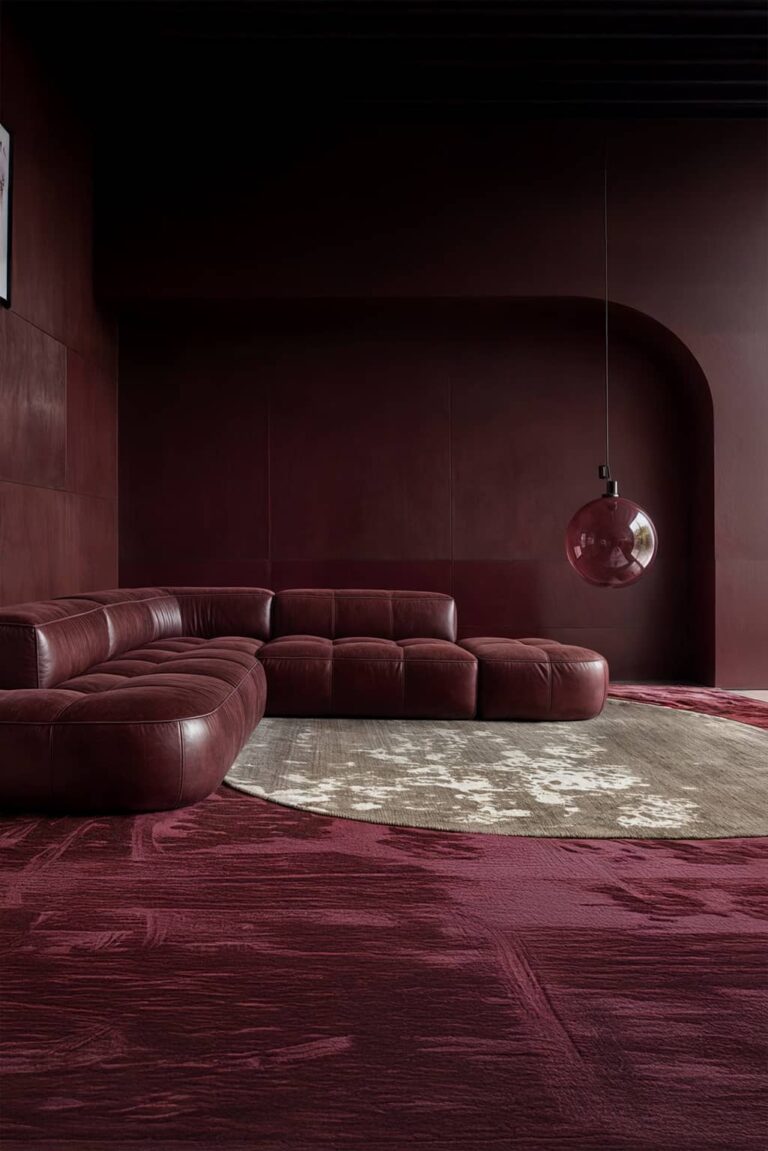
Explore the Beauty of Italian Home Decor with Rich Textures and Rugs
Italian home decor is characterized by elegance, warmth, and meticulous attention to detail. It blends style and comfort, with textures, colors, and carefully chosen rugs creating a harmonious home. Each room can tell its own story while staying connected to the overall design.
This 19th-century Milanese villa is a perfect example. Recently renovated, it combines modern living with classic Italian charm. The design focuses on clean lines, luxurious materials, and subtle color accents.
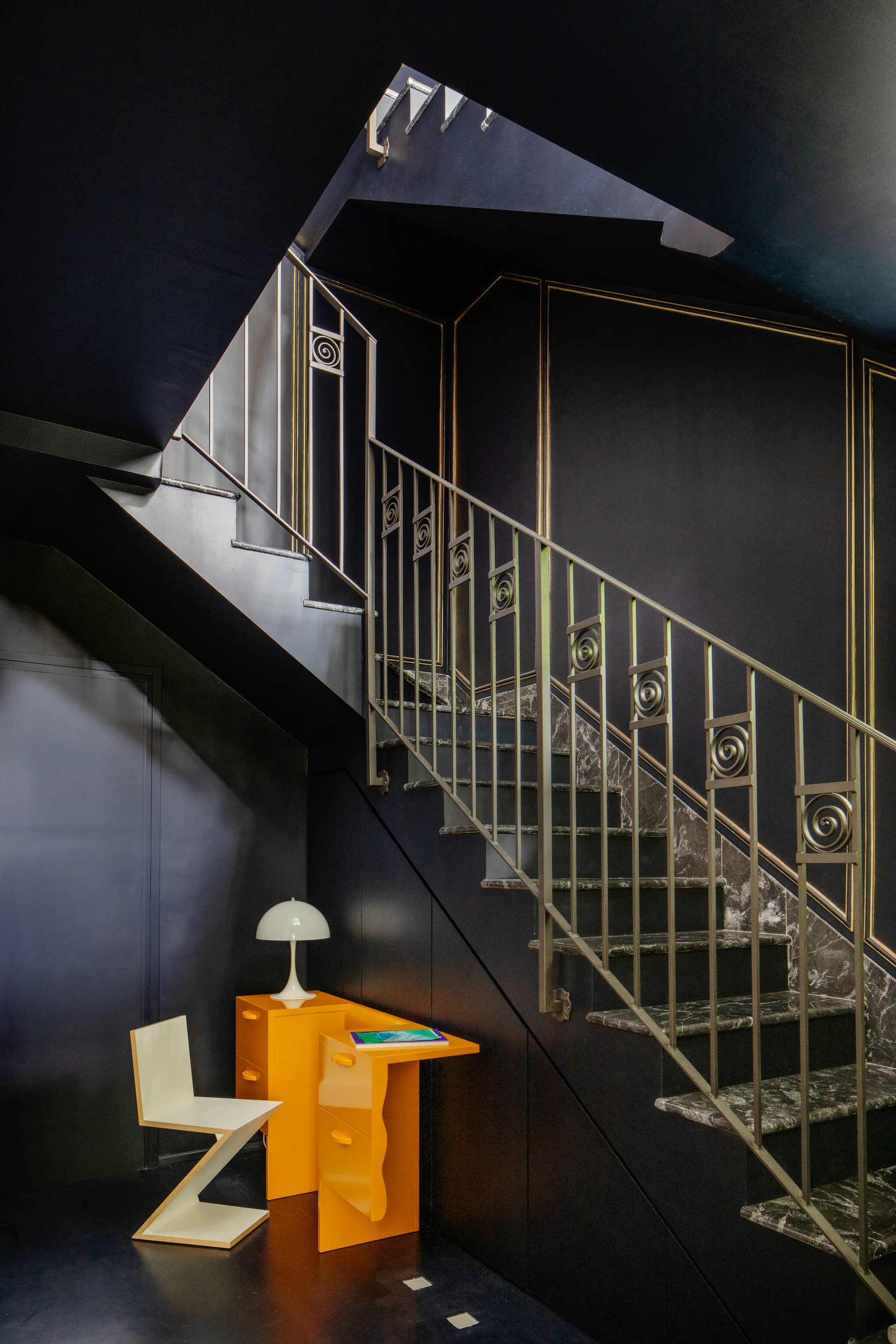
Entryway: First Impressions Matter
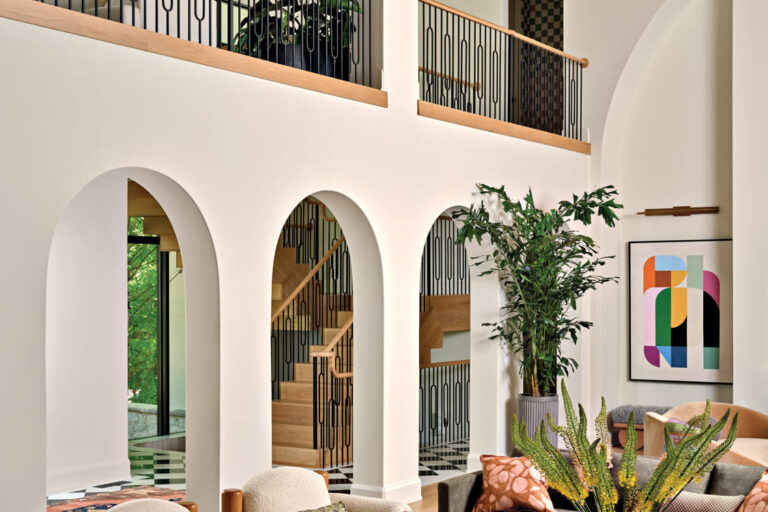
In Italian decor, the entryway sets the tone for the entire space. This villa features a clean, open entryway with no rug, emphasizing the elegant marble floors. The walls are decorated with soft hues and subtle patterns, creating a welcoming feel without clutter.
Storage is integrated seamlessly. Hidden cabinets and custom shelving ensure the space remains organized and visually appealing. Textures play a big role here, with smooth wall finishes contrasted by wooden accents and polished metal handles.
Living Room: A Cozy Gathering Space
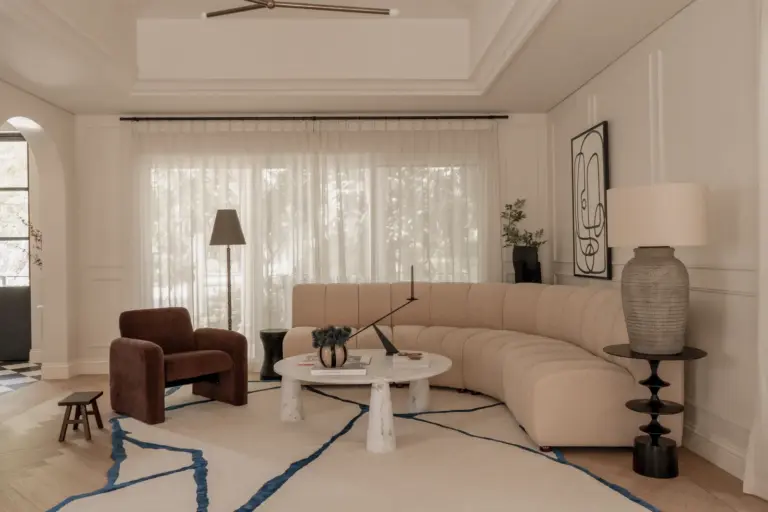
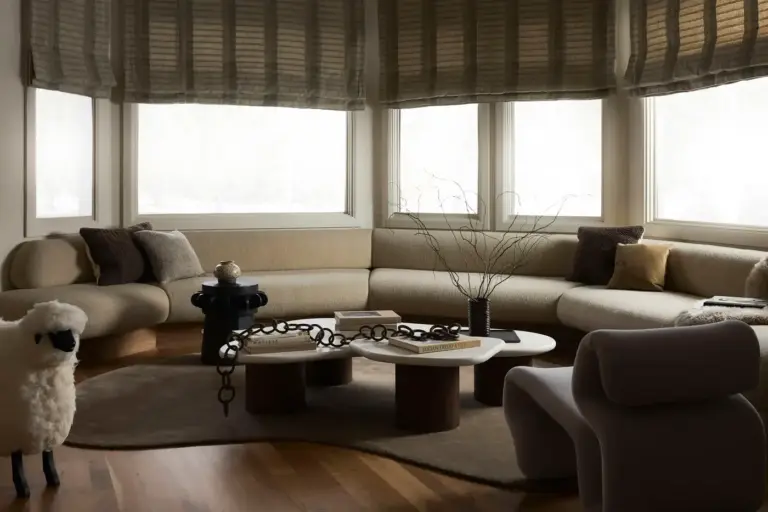
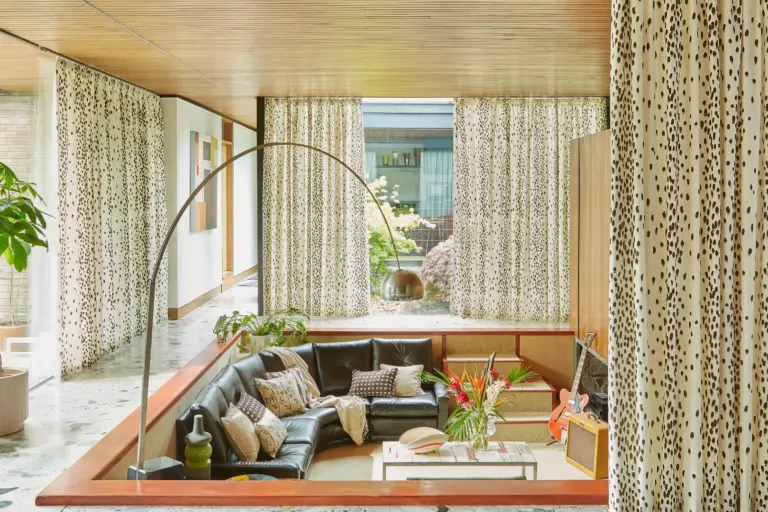
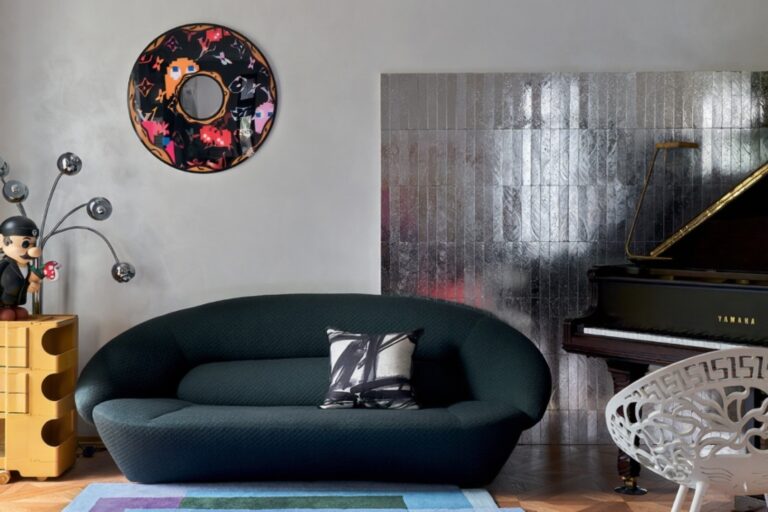
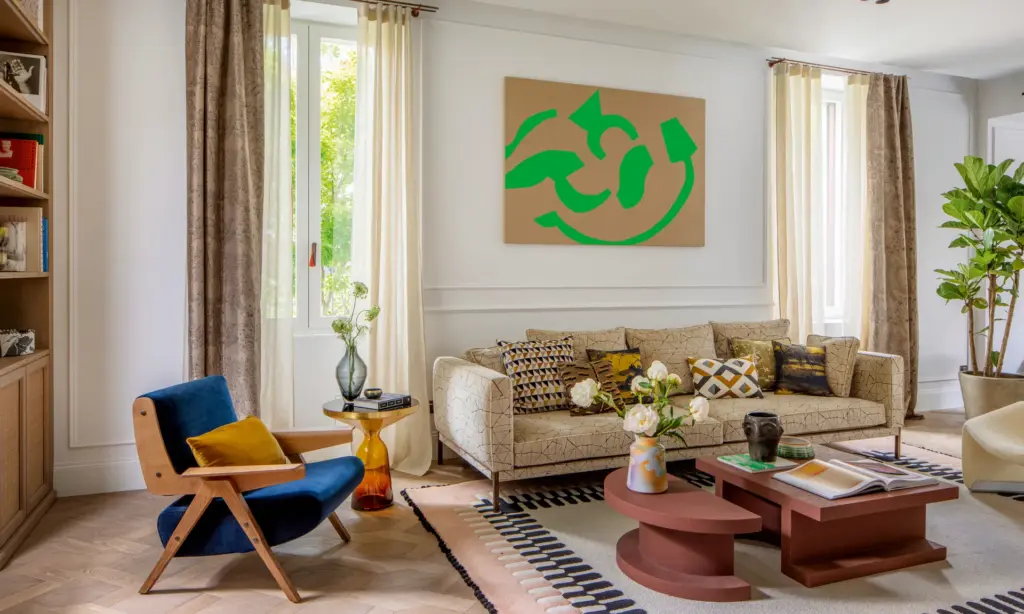
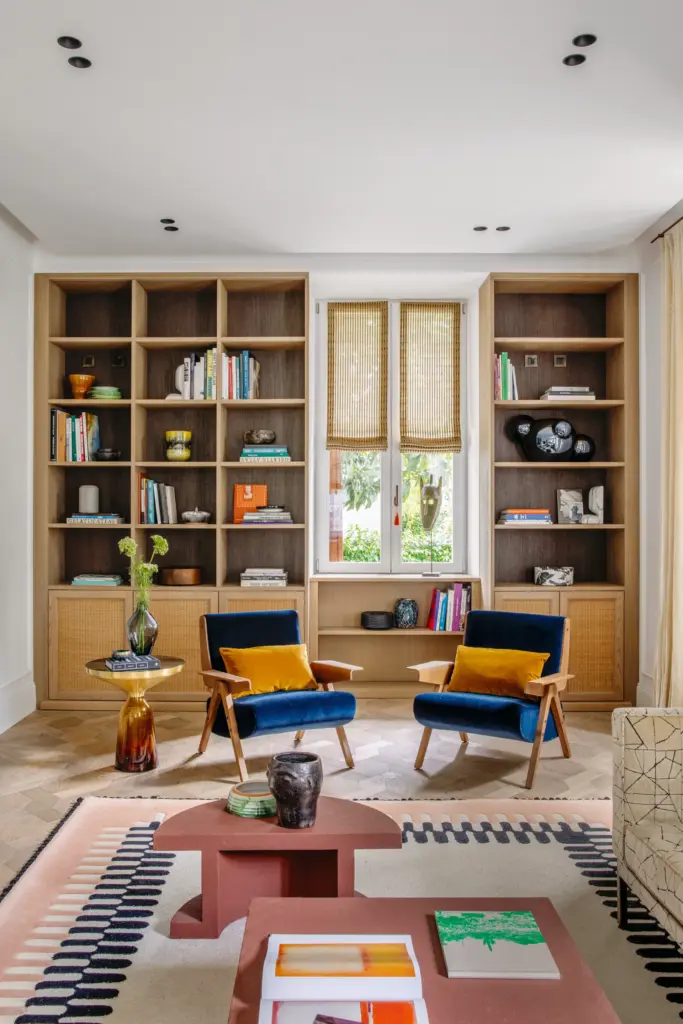
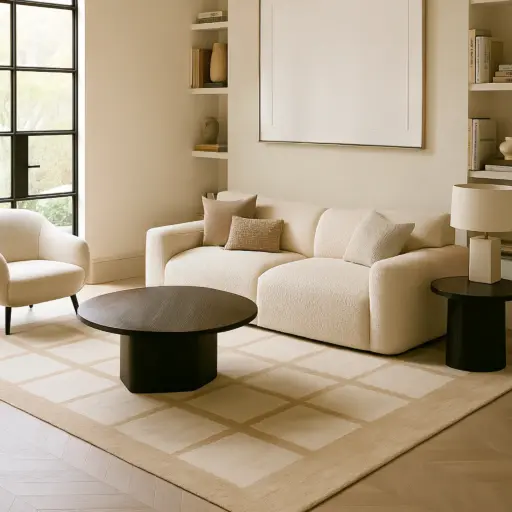
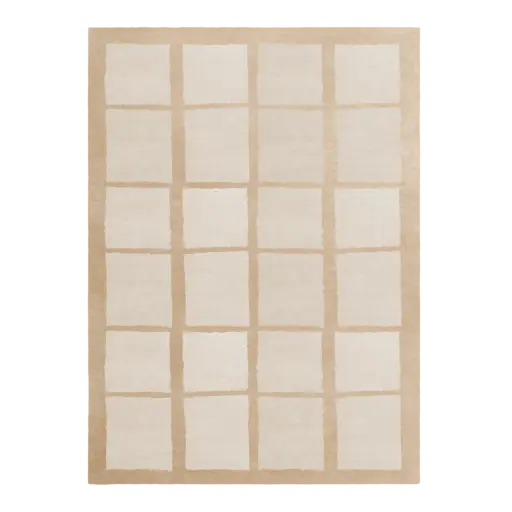
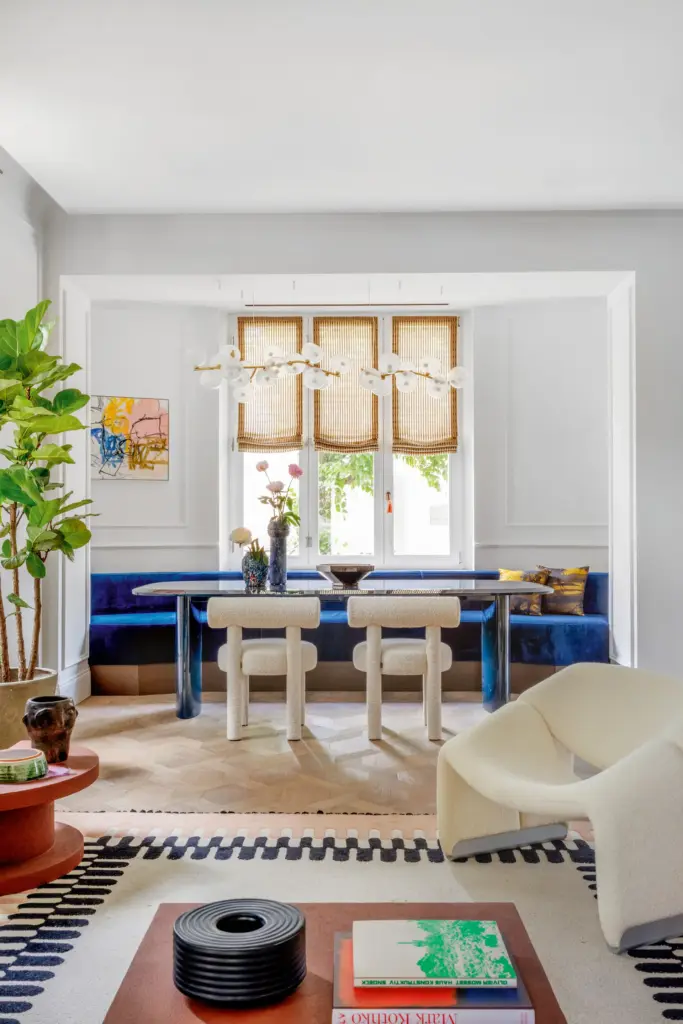
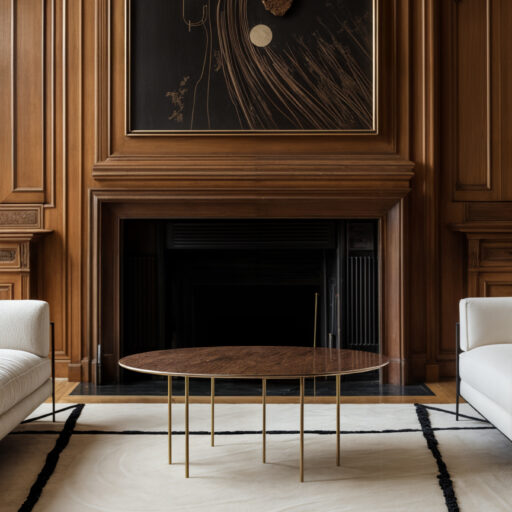
The living room is where Italian home decor shines. Here, a soft rug anchors the seating area. It adds warmth underfoot and visually defines the space. Rich textures in the cushions, velvet armchairs, and smooth wooden floors create layers of comfort.
The color palette is subtle yet impactful. Deep blues and muted neutrals flow throughout the room, echoing the rest of the home. Large windows let in natural light, highlighting every texture—from the plush rug to the sleek finishes of modern furniture.
Lighting is also crucial. In this space, Italian lighting design strikes a balance between style and function. Soft lamps and elegant ceiling fixtures enhance the textures of the fabrics and the rug, creating a cozy atmosphere for family and guests.

Breakfast Nook: Light and Airy
The breakfast nook is designed for relaxed mornings. Italian home decor favors simple, comfortable seating with carefully chosen textiles. A soft upholstered bench or chairs add warmth, while natural light makes the space feel open and airy. Colors are soft and calming. Pale blues, creams, and warm wood tones create a soothing environment.
Kitchen: Elegant Functionality
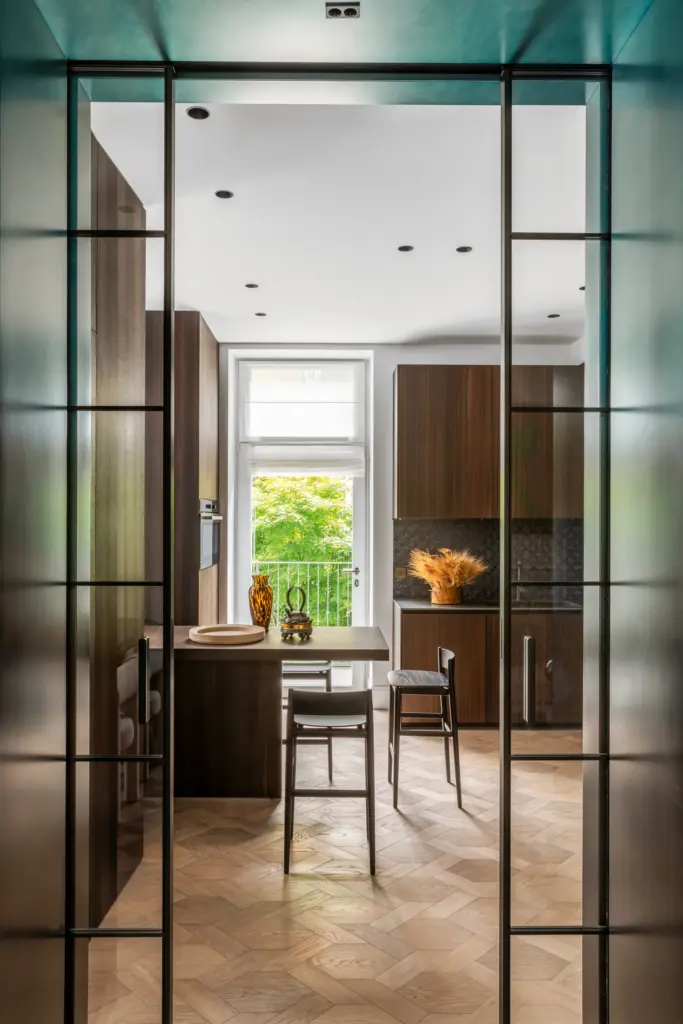
The kitchen is modern yet cozy, reflecting the essence of Italian decor. Clean lines, sleek cabinetry, and subtle color accents make it both functional and stylish. Dark cabinetry contrasts with light walls, while glossy tiles add texture and reflect light.
Italian tiles often inspire kitchen design. Here, patterned ceramic tiles pay homage to traditional heritage without overwhelming the space. Wood and metal complement the surfaces, creating a harmonious blend of textures. There is no rug, allowing the space to feel open and practical.
Home Office: Space to Focus
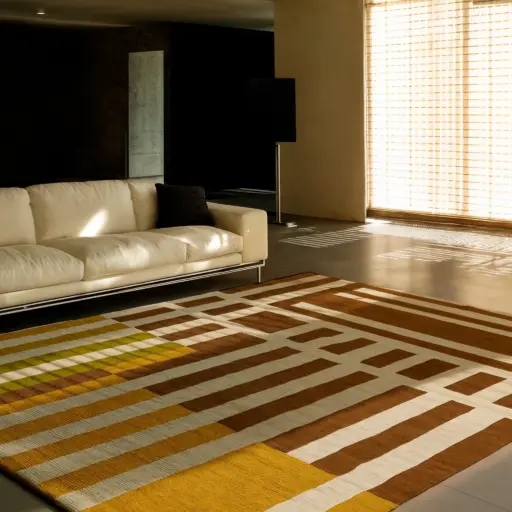
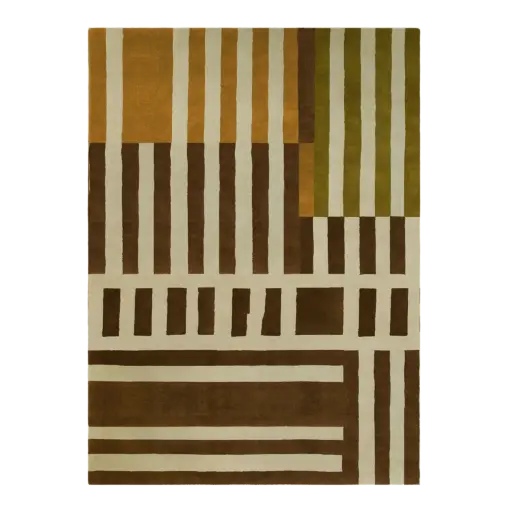
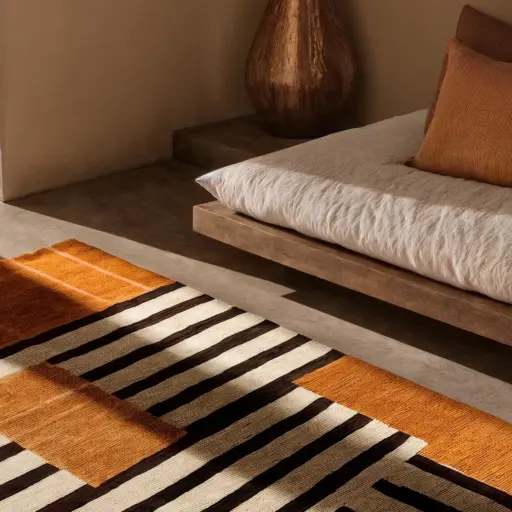
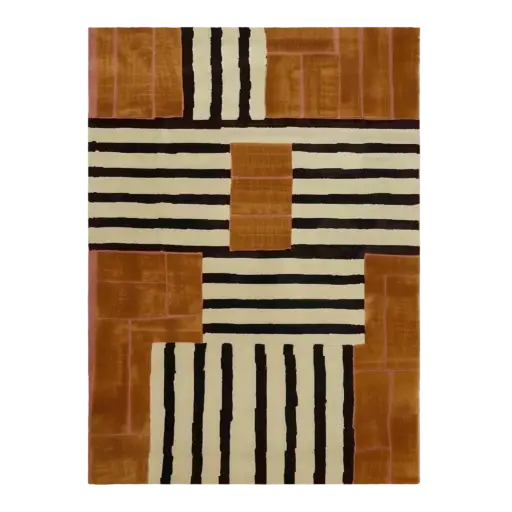
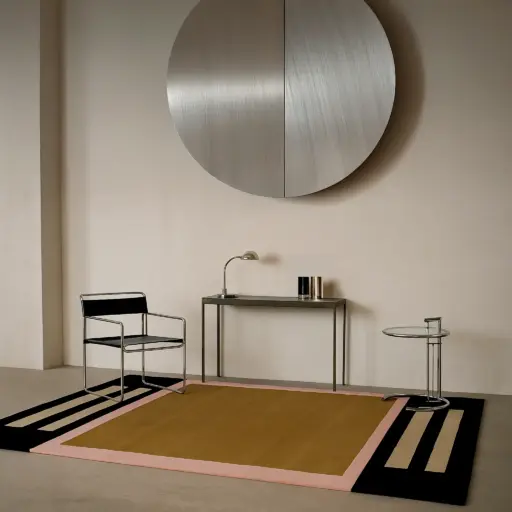
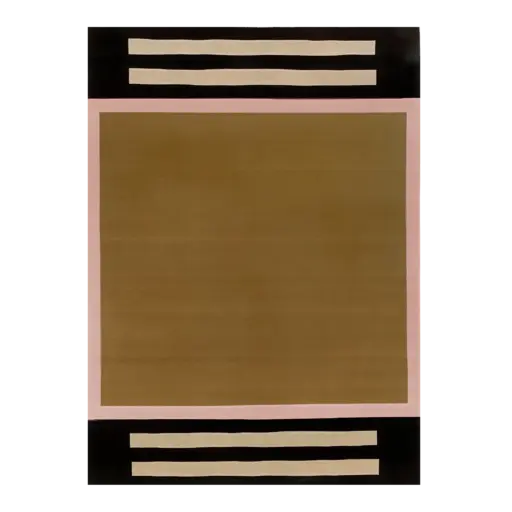
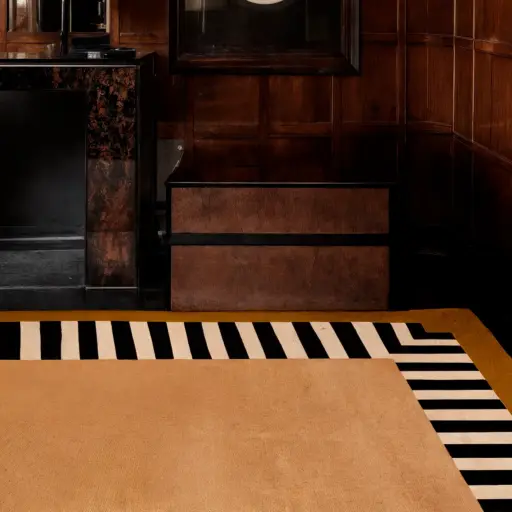
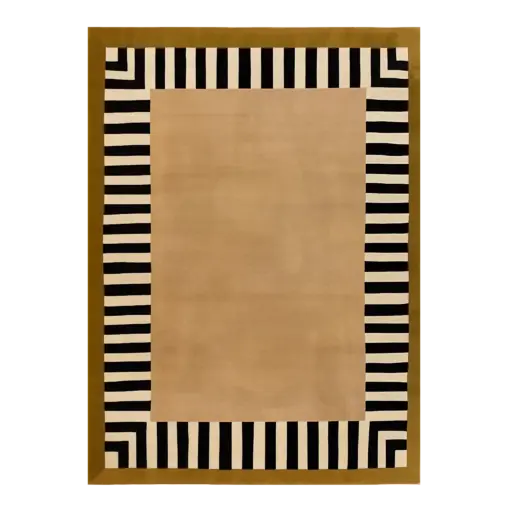
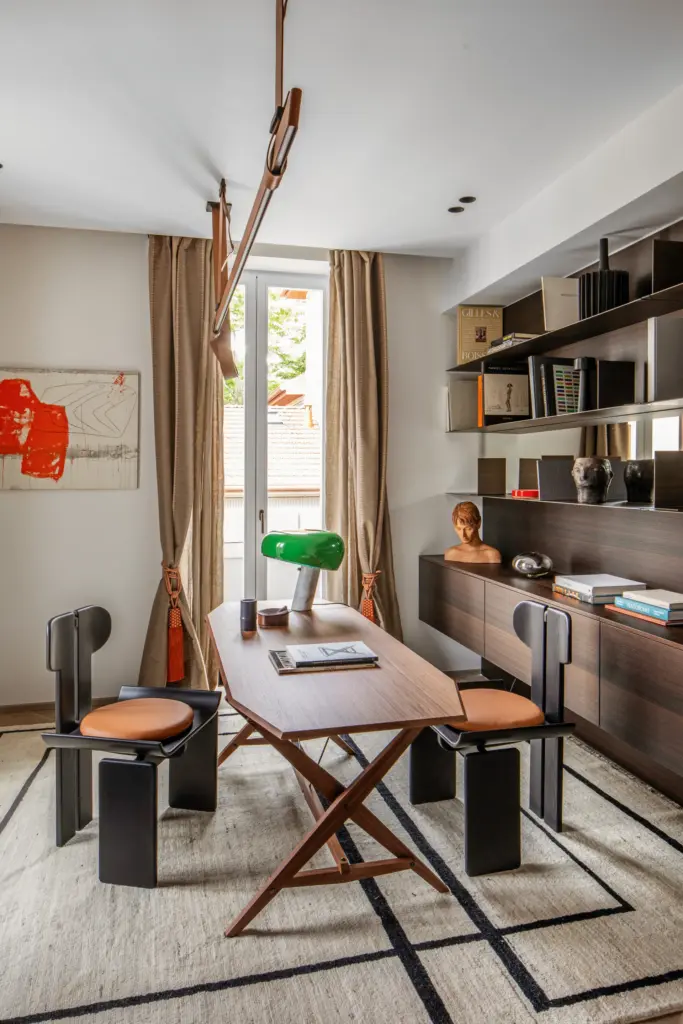
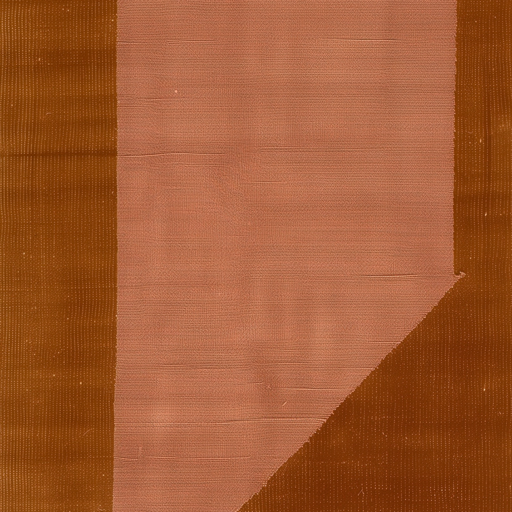
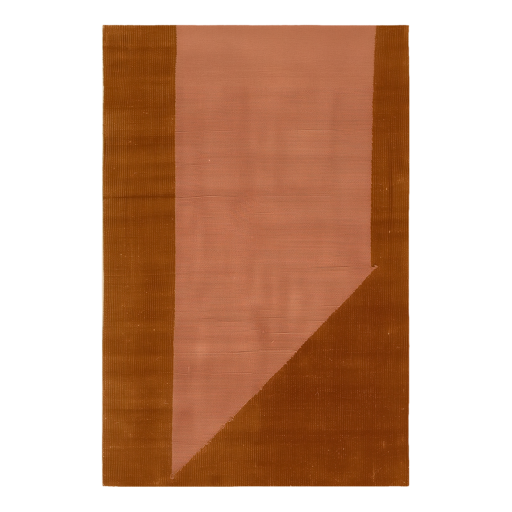
Italian home decor also extends to workspaces. The home office in this villa features a natural rug that adds a layer of comfort and warmth. It also visually defines the workspace, creating a cozy zone within the larger home.
Textures in the office are rich yet subtle. Smooth wooden desks, leather chairs, and soft textiles create a balance of style and practicality. The color palette is neutral, with occasional bold accents that enhance focus while maintaining elegance.
Shelving and storage are both decorative and functional. Italian design emphasizes beauty in organization, with books, art pieces, and personal items displayed thoughtfully and aesthetically. The rug ties all elements together, making the home office an inviting and stylish space.
Bathroom: Luxury in Detail
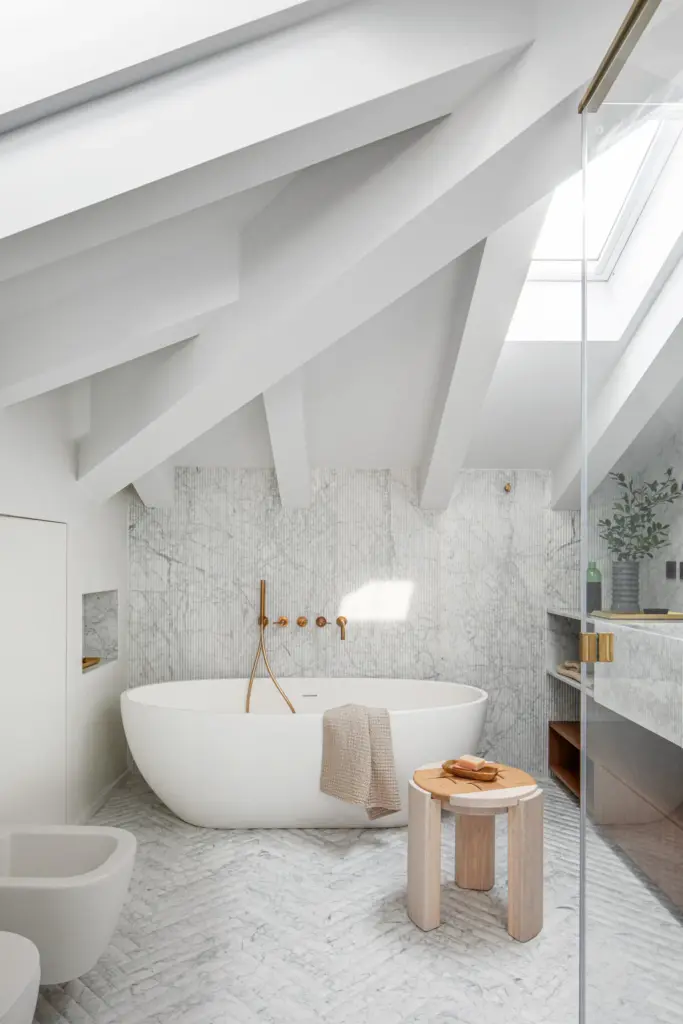
Bathrooms in Italian design are often small but luxurious. The villa features a Carrara marble bathroom with bronze hardware. Textures, from smooth marble to soft towels, create a sense of indulgence. Colors are light and reflective, making the space feel larger. Every element is carefully selected, from the faucets to the vanity.
Bedroom: A Restful Retreat
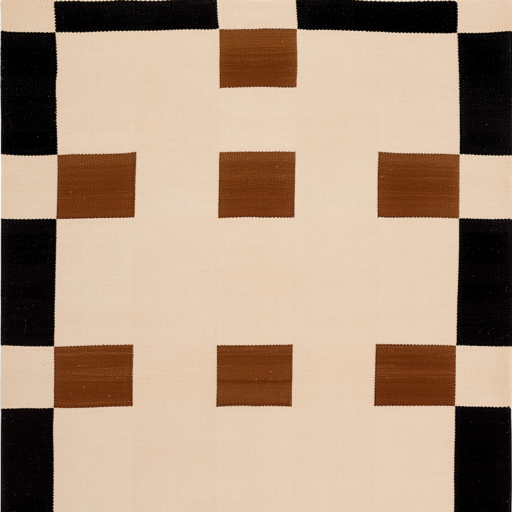
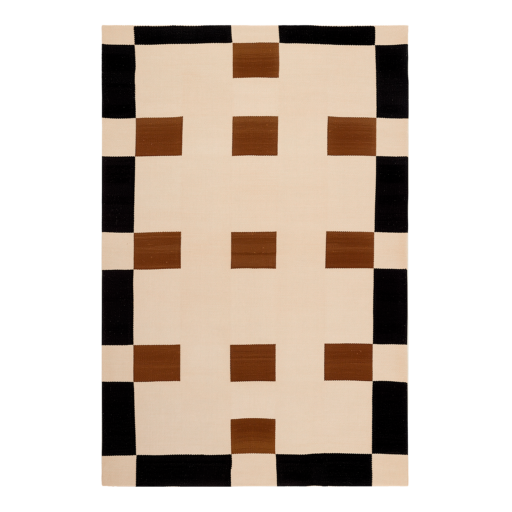
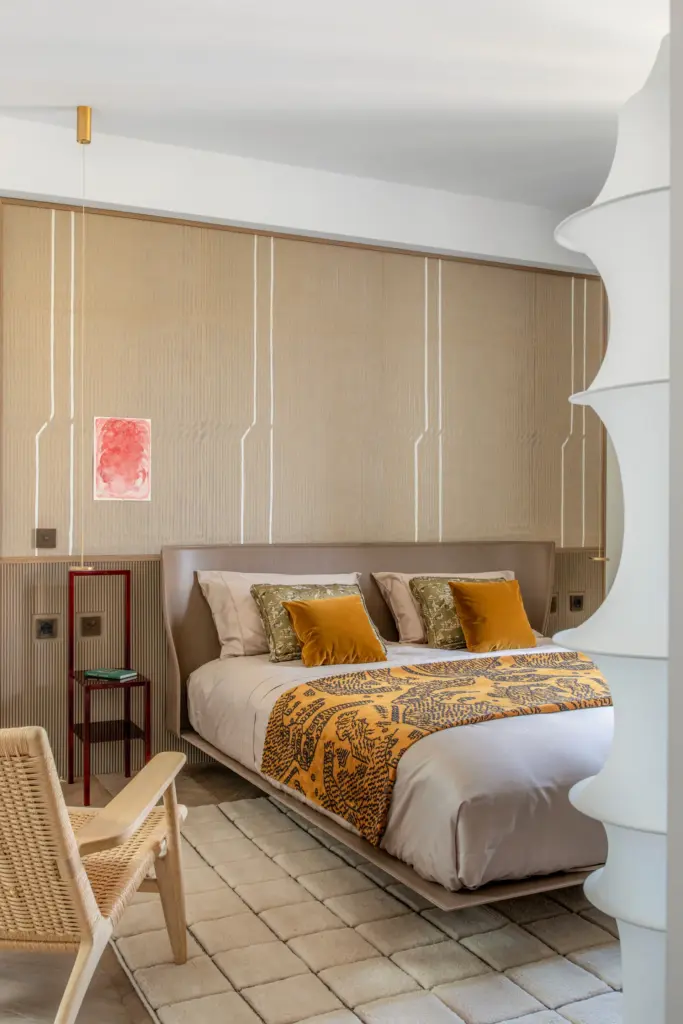
The bedroom is a key space for Italian decor. A carefully chosen rug sits under the bed, adding warmth and texture. Soft bedding, layered fabrics, and textured throws create a warm and inviting atmosphere.
Colors are calming and cohesive. Neutral tones are accented with deep blues or warm browns, tying the bedroom to the rest of the house. Wall paneling, subtle wallpaper, and carefully curated art add depth and personality to the space.
Lighting is soft and ambient. Italian home decor often employs a combination of natural and artificial lighting to accentuate textures and colors. Here, the result is a serene retreat that is both stylish and restful.
The Role of Color, Texture, and Rugs
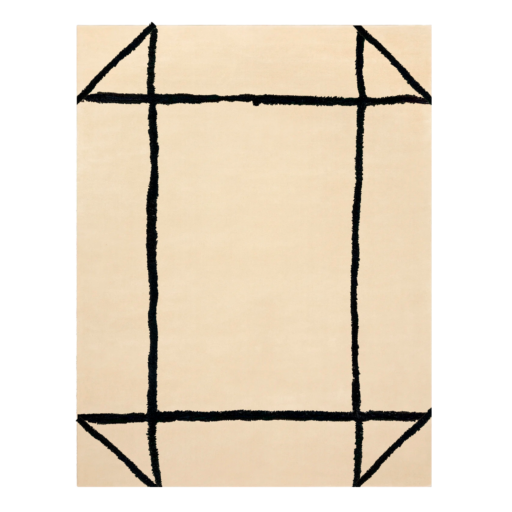
In Italian home decor, colors and textures are more than mere decoration—they create a mood and foster a sense of connection throughout the home. A carefully selected color can visually link rooms, while textures provide tactile comfort and warmth. Rugs play a central role in living spaces, home offices, and bedrooms, anchoring furniture and adding warmth and comfort to these areas.
Deep blues, soft neutrals, and occasional bold accents flow from room to room, creating a cohesive feel. Wood, marble, velvet, and ceramic surfaces combine to create a balance of softness and structure. Even spaces without rugs, such as the kitchen or bathroom, utilize texture and color to maintain warmth and style.



Bringing It All Together
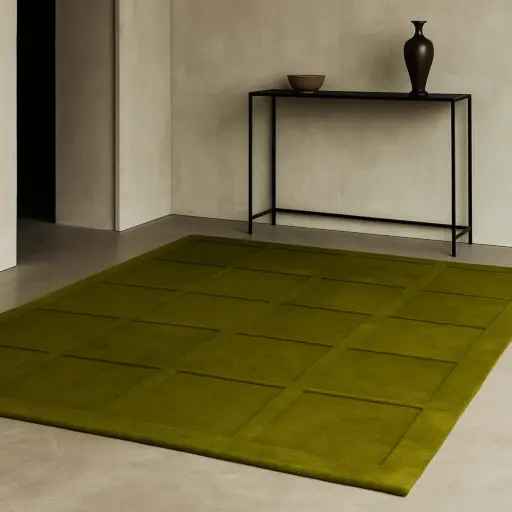
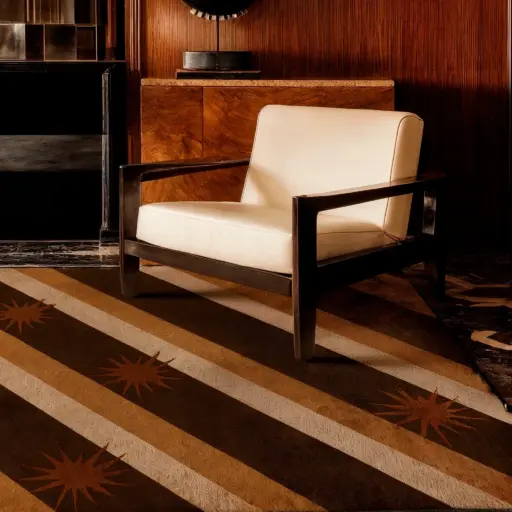
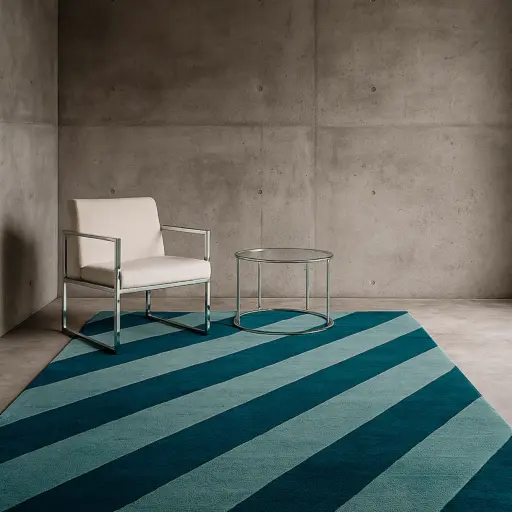
This Milanese villa exemplifies how Italian decor can seamlessly blend art, design, and everyday living. Each room tells its own story while maintaining a unified style. Textures, colors, and rugs work together to create a home that is elegant, comfortable, and inviting.
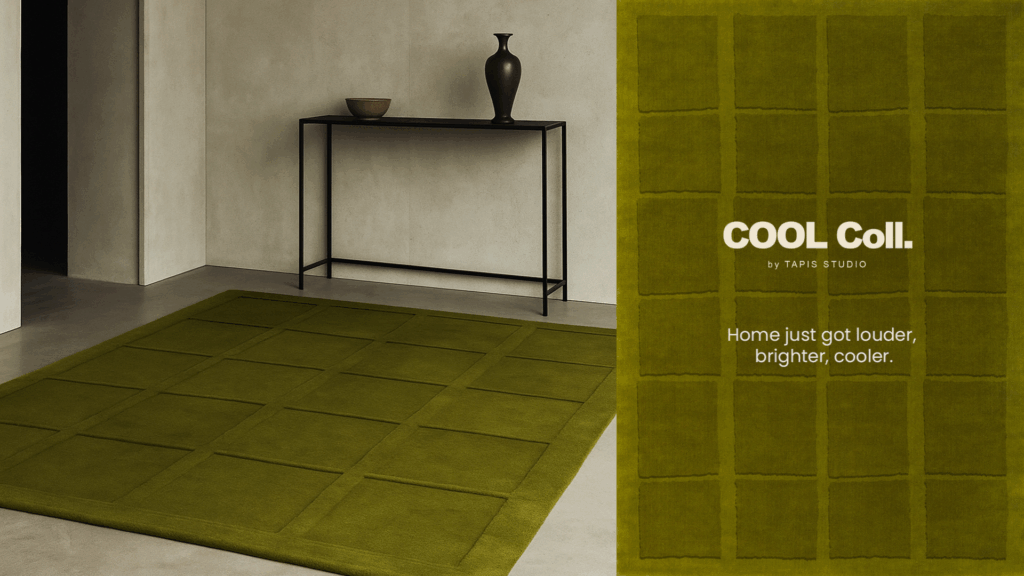
Italian home decor is timeless. It values quality, texture, and color while ensuring each space is practical and stylish. By focusing on rugs, materials, and design continuity, you can create a home that feels connected, welcoming, and uniquely yours. Discover the rug design that fits your world. Browse our complete collection and download the latest catalogue to bring that same sense of balance and beauty into your own home.
Source: livingetc.com