Discover How Texture in Interior Design Changes Your Home
Rugs are more than just floor coverings. They add comfort, style, and personality to a room. For designers, understanding texture in interior design is key. The right rug can transform a space. It can enhance furniture, add color, or create a cozy feel. A thoughtfully chosen rug also tells a story, reflecting the homeowner’s taste and bringing the entire design concept together.
Why Texture Matters in Interior Design
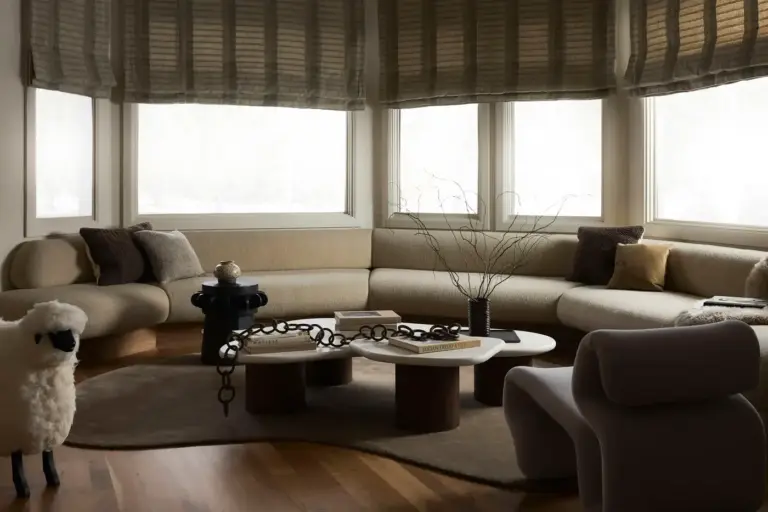
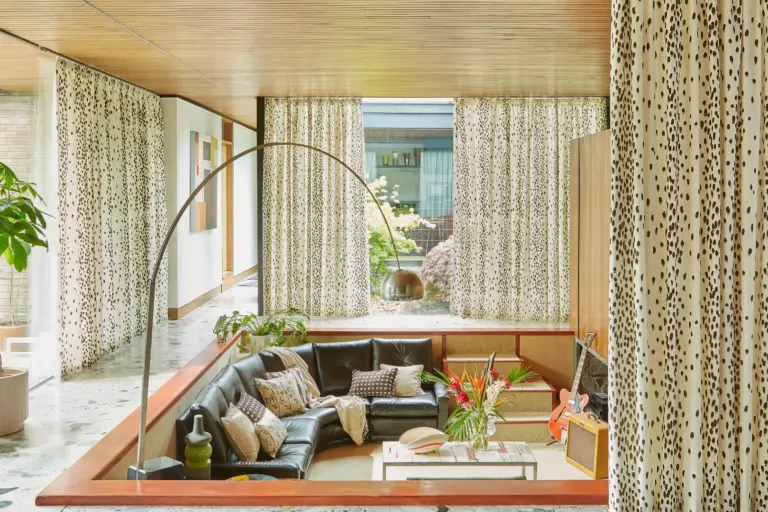
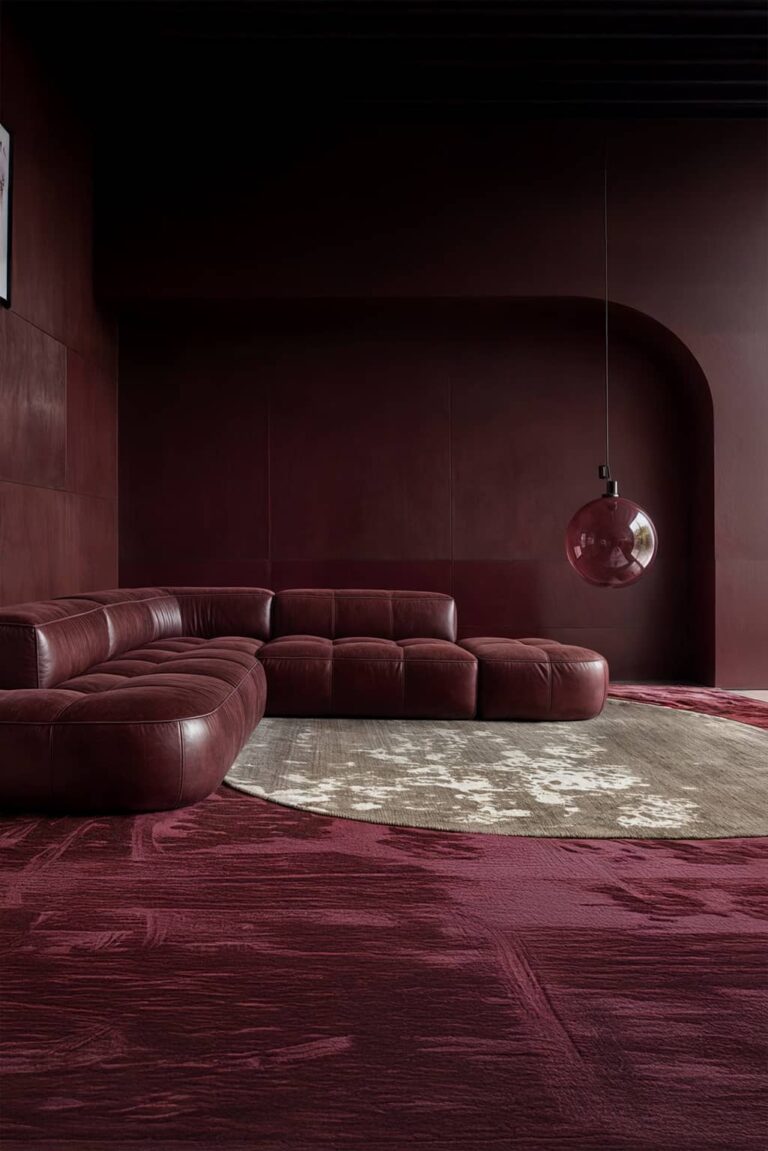
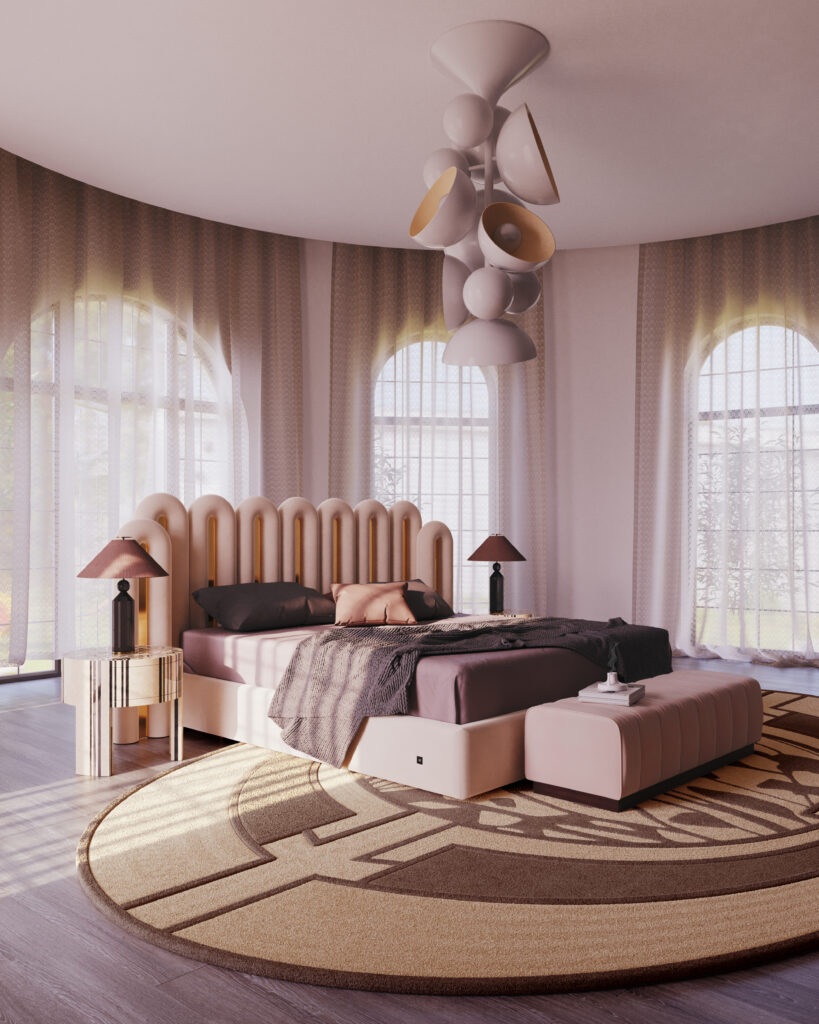
Texture in interior design changes how a room feels. It can make a space warm, inviting, or lively. Rugs are one of the easiest ways to add texture. They provide both visual and tactile interest. Soft rugs, like shag or velvet, add a luxurious feel underfoot, making bedrooms and living areas more comfortable.
Natural rugs, such as jute or sisal, introduce an organic look, which works well in bohemian or coastal interiors. Flat-weave rugs offer a clean, modern aesthetic that balances a room with more textured furniture. By combining different textures, designers can create contrasts and highlight key elements in space. Texture in interior design is not just about looks; it also affects a room’s mood and comfort.
Choosing Colors and Patterns
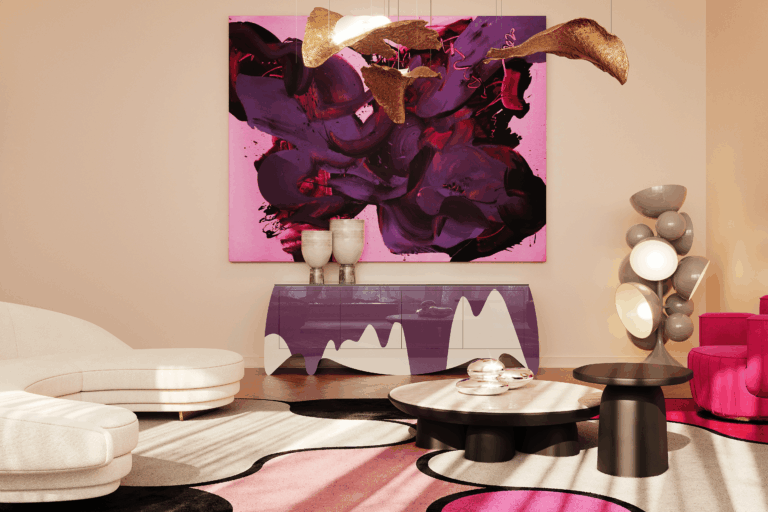
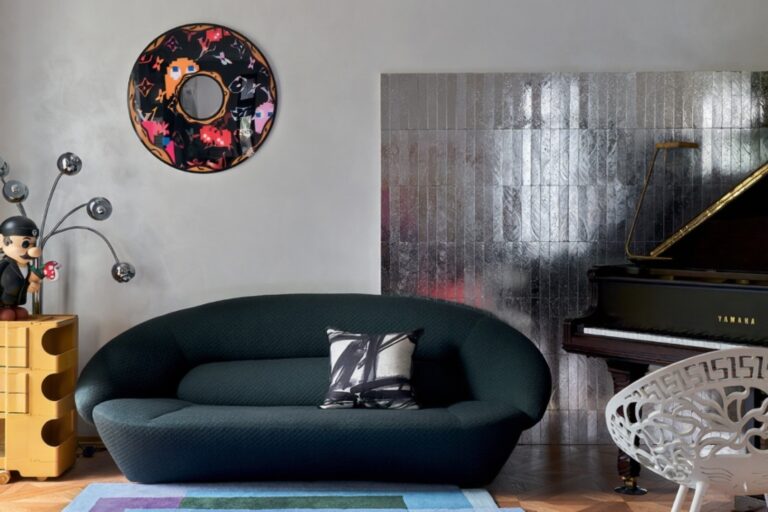
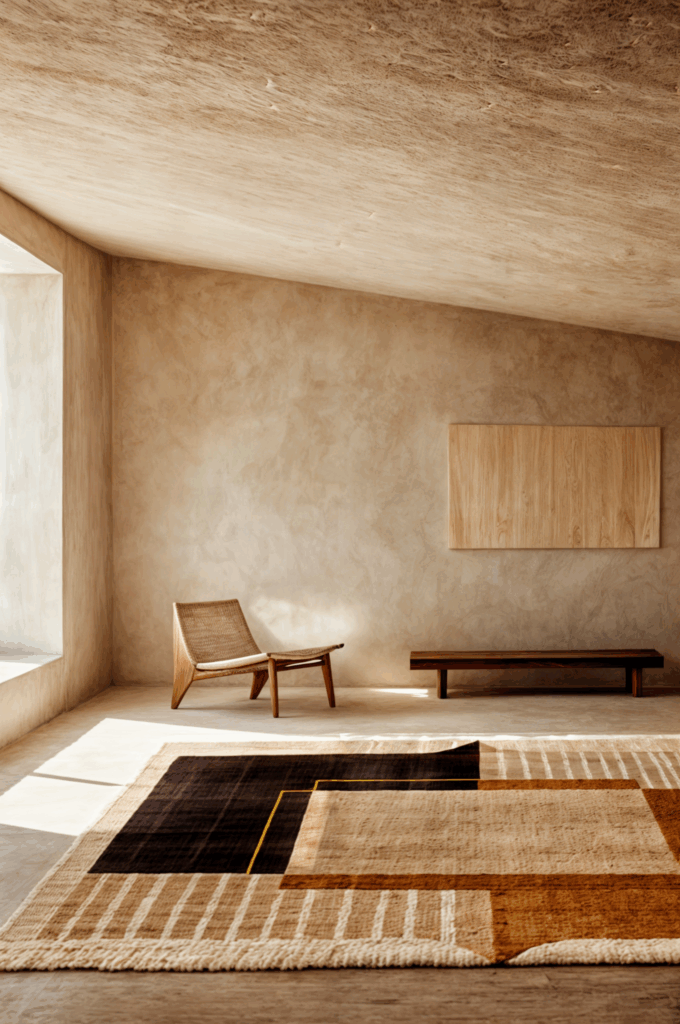
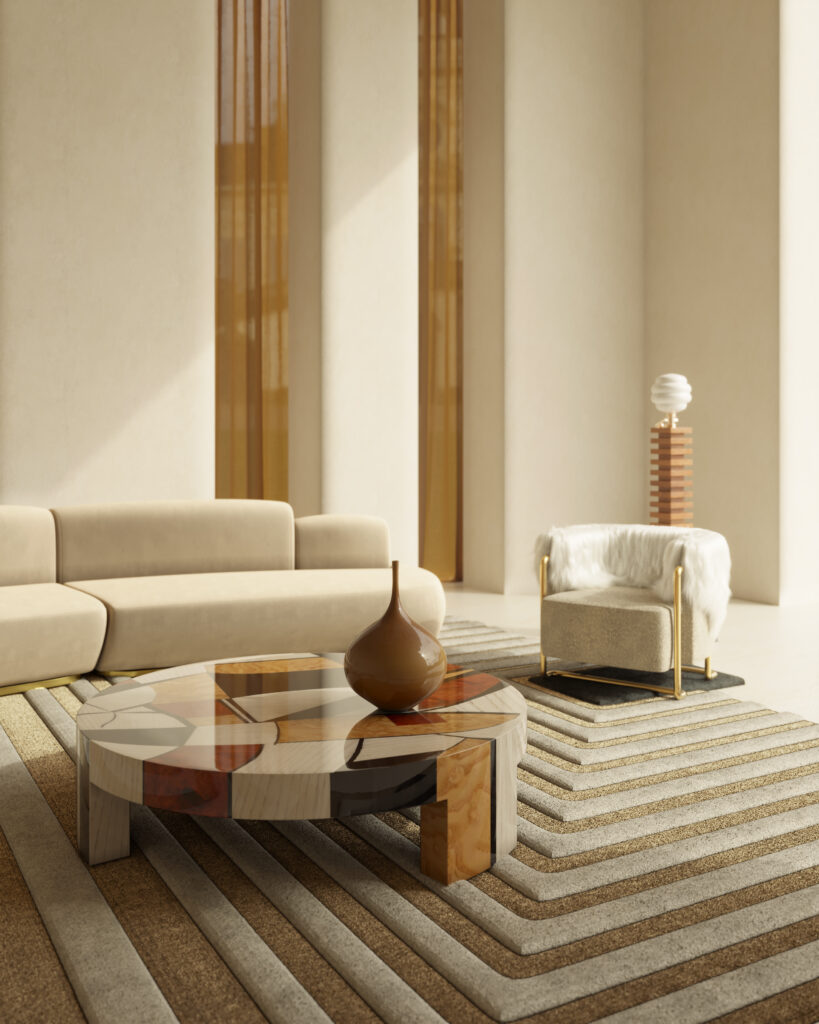
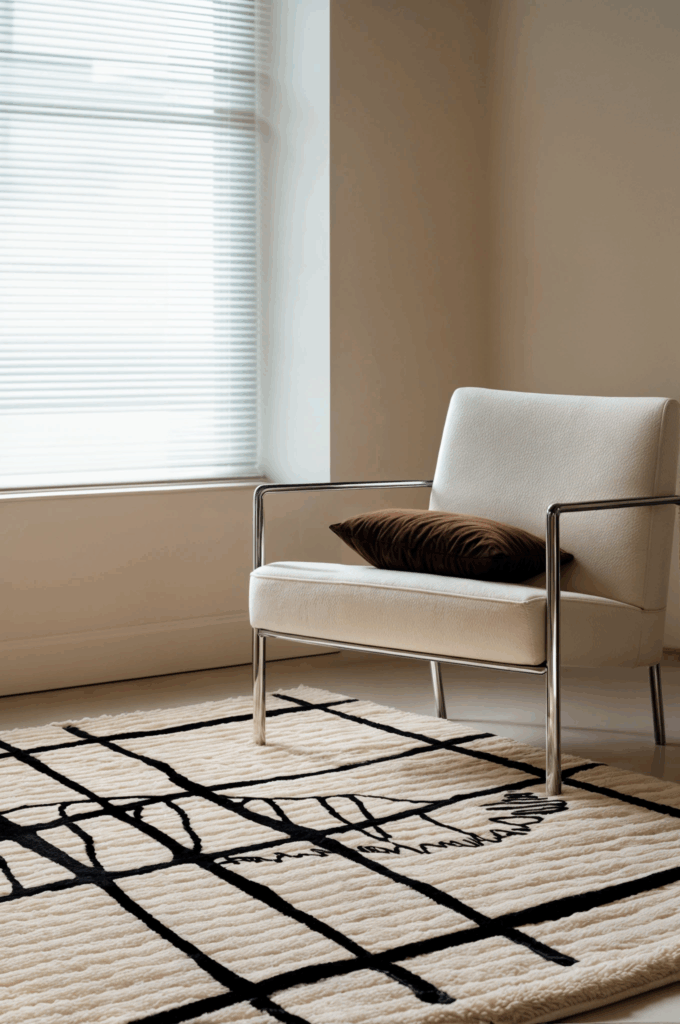
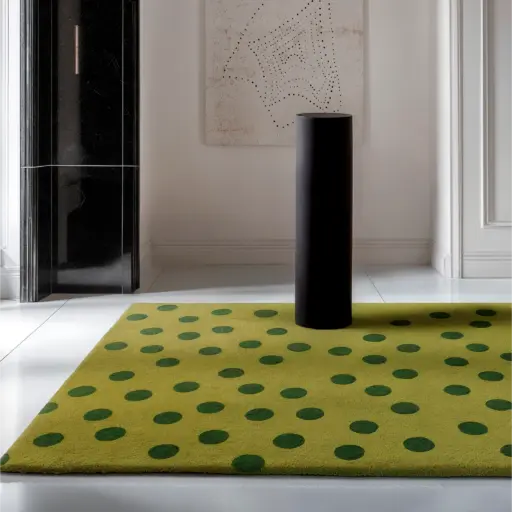
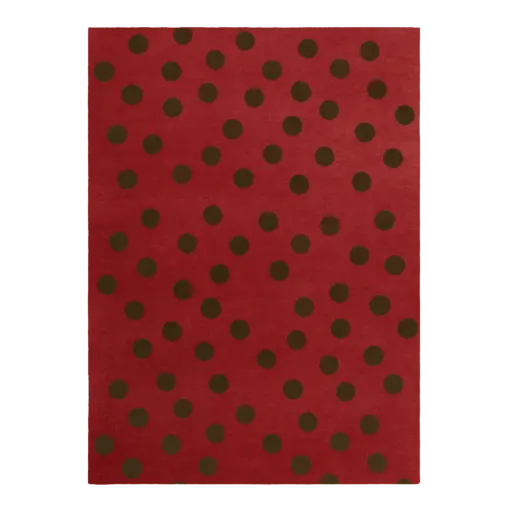
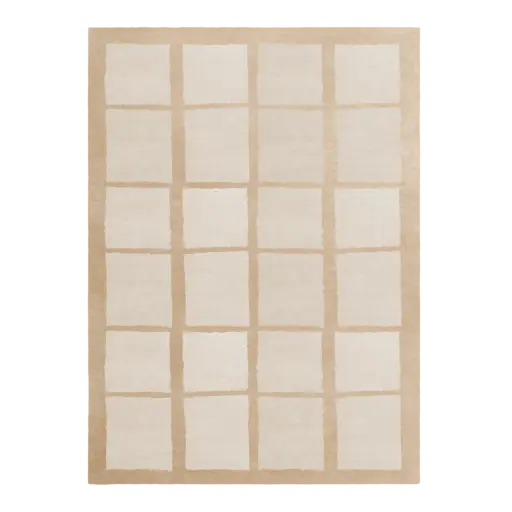
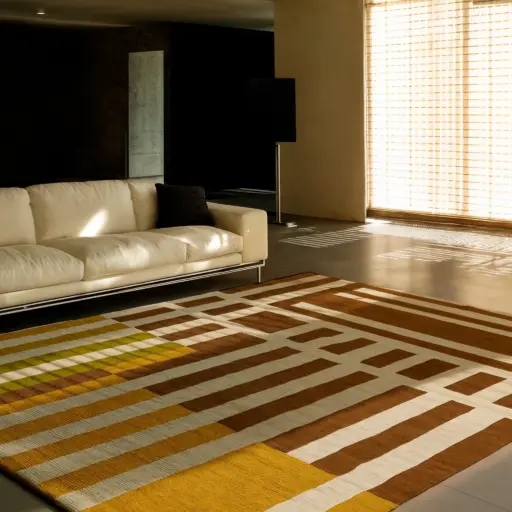
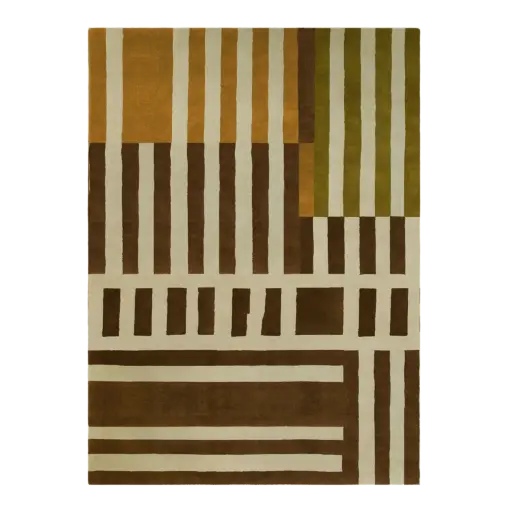
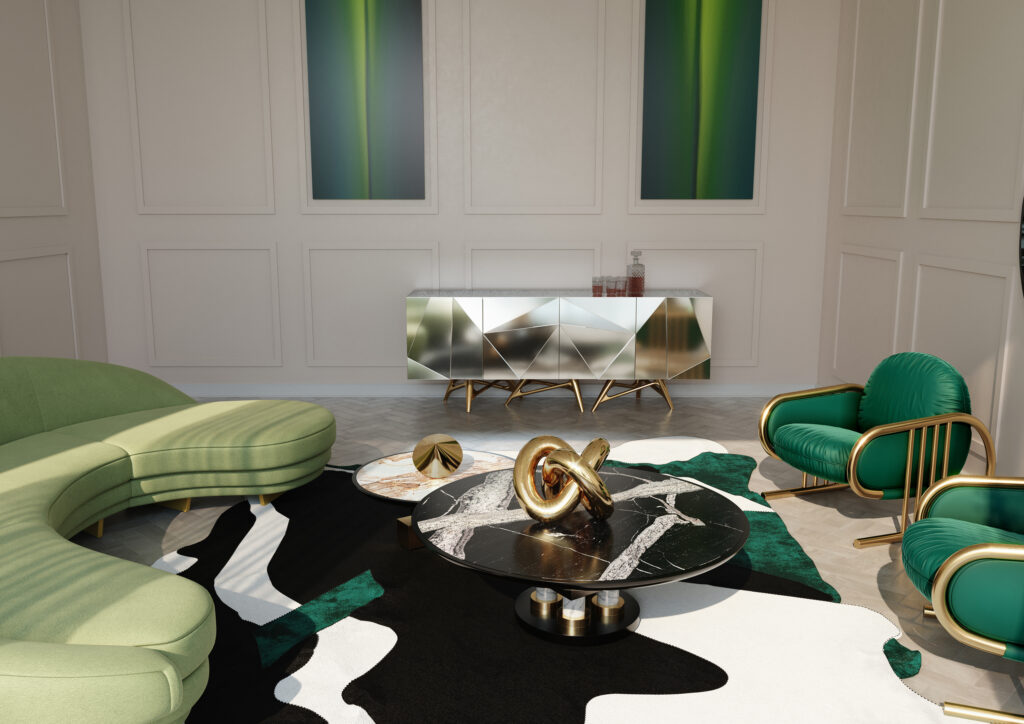
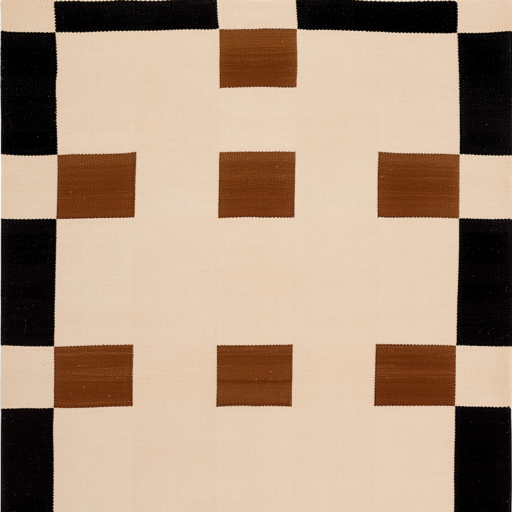
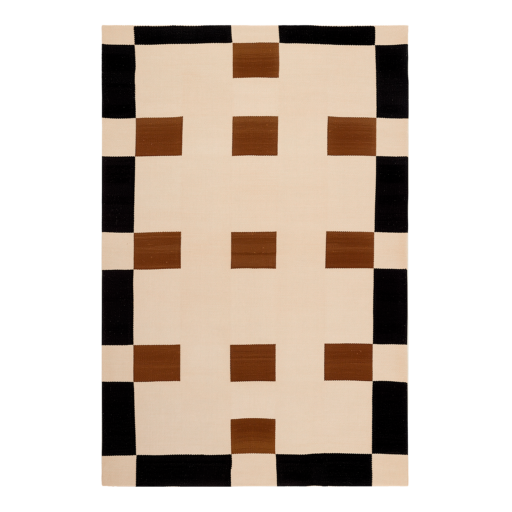
When pairing rugs, color and pattern play a major role. Choosing a rug that matches the room’s accent helps create harmony, while a bold-colored rug can serve as a focal point and energize the space. Neutral shades, such as beige or gray, are versatile and help ground a room, allowing other design elements to stand out. Patterns also make a difference. Geometric designs are perfect for modern, structured interiors, while floral or abstract motifs add creativity and artistry to eclectic or traditional spaces.
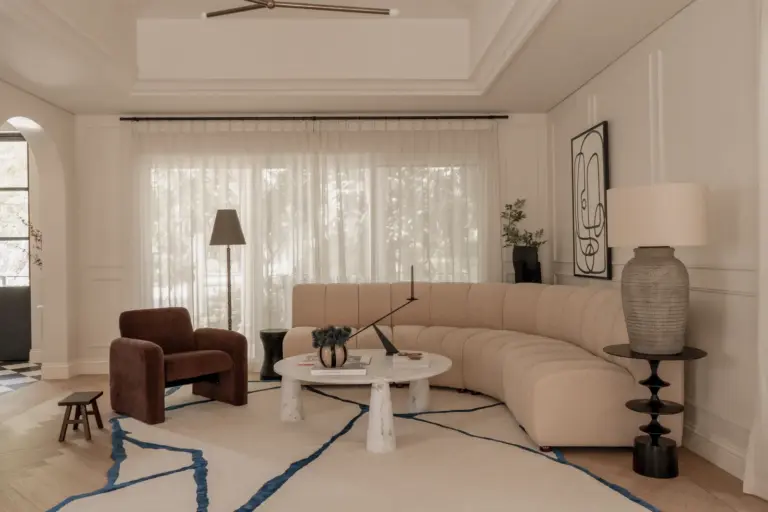
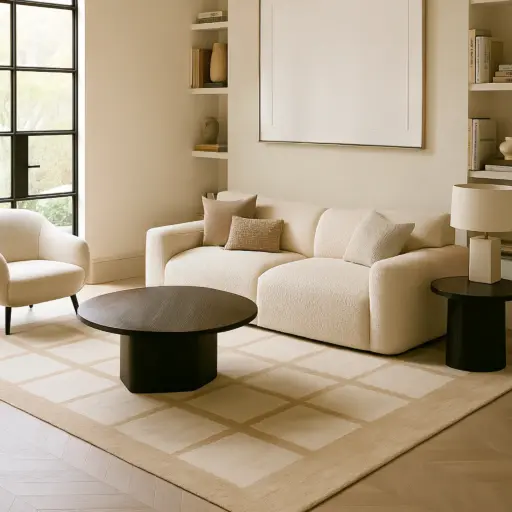
For minimalist rooms, solid or subtly patterned rugs maintain simplicity while enhancing texture. The rug’s size is equally important. Large rugs can define seating areas in spacious rooms, medium-sized rugs suit smaller spaces, and smaller rugs are ideal for accenting coffee tables or entryways. All these choices affect texture in interior design by creating visual interest and balance.
Layering Rugs
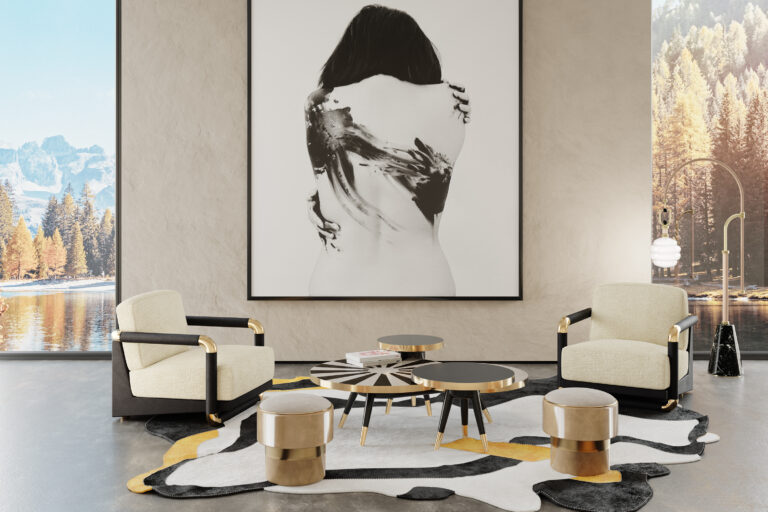
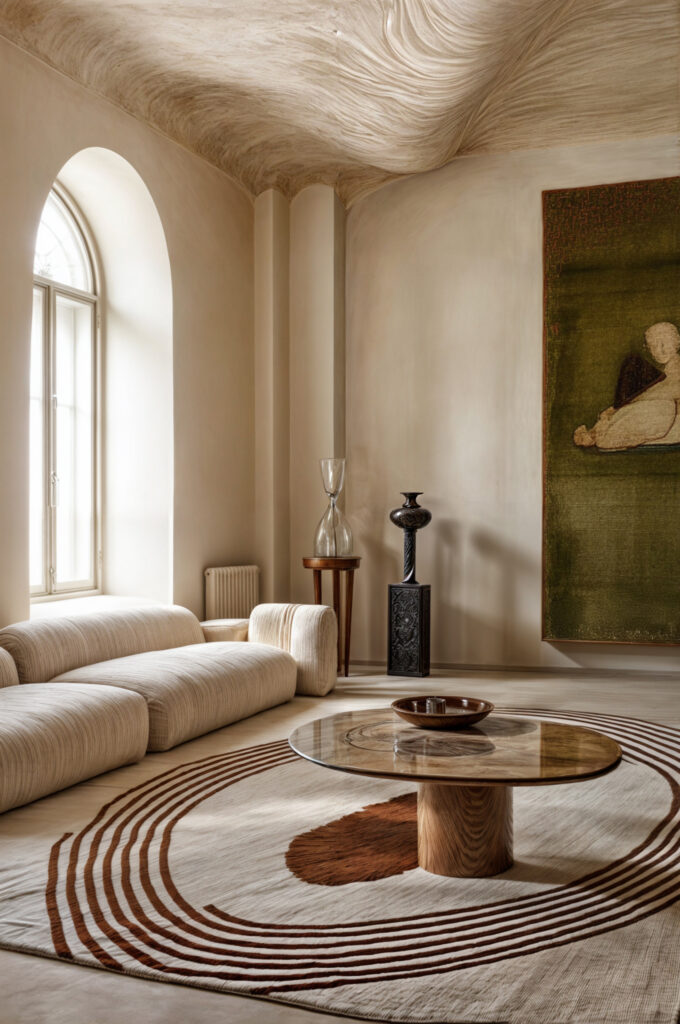
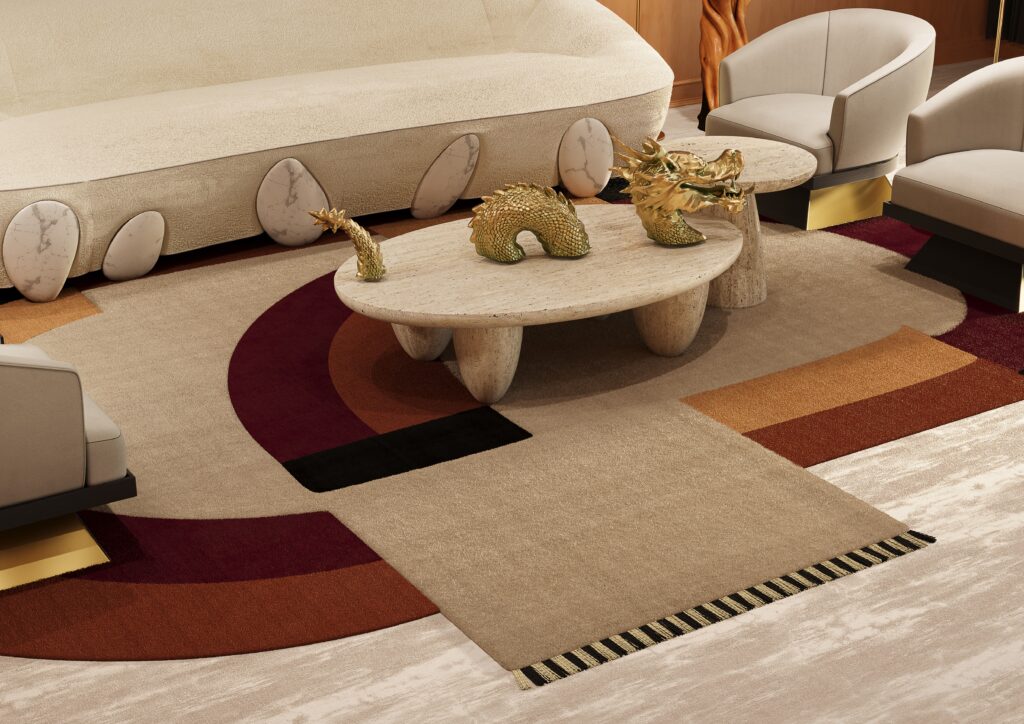
Layering rugs add depth and style to a room. By placing a plush rug over a flat-weave rug, designers can create contrast that draws attention to the area. Carefully combining patterns ensure the space remains harmonious rather than chaotic, and matching colors helps maintain cohesion.
Layered rugs work especially well in open-plan living spaces, where they can define different zones while adding personality and richness. The layered textures create visual and tactile interest, making the room feel thoughtfully designed and comfortable.
Rugs for Different Rooms
Different rooms have unique needs that influence rug selection. In living rooms, rugs help anchor seating areas and provide a comfortable surface underfoot. Durable materials like wool or synthetic fibers are ideal for high-traffic areas. Bedrooms benefit from soft, plush rugs, such as shag or velvet, which enhance warmth and comfort.
Dining rooms require rugs that are easy to clean, with flat-weave options being practical for handling spills and stains. In entryways, low-pile rugs made from durable materials like coir or sisal stand up to constant foot traffic while adding style. Considering the purpose of each room is a simple way to effectively introduce texture in interior design.
Sustainable and Eco-Friendly Rugs
Sustainability is becoming increasingly important in interior design. Many designers now prefer eco-friendly rugs that are both stylish and responsible. Natural fibers like wool, jute, and cotton are renewable, biodegradable, and durable. Rugs made from recycled materials, including plastics or textiles, offer unique designs while reducing waste.
Choosing rugs dyed with low-impact methods minimizes chemical use and protects the environment. Incorporating sustainable rugs not only enhances texture in interior design but also reflects a growing commitment to eco-conscious living.
Tips for Pairing Rugs
Pairing rugs is simple if you follow these tips:
- Focus on texture: Mix soft and rough textures.
- Think about color: Match or contrast with furniture.
- Combine patterns carefully: Keep harmony in mind.
- Mind the size: Rugs should fit the furniture and the room.
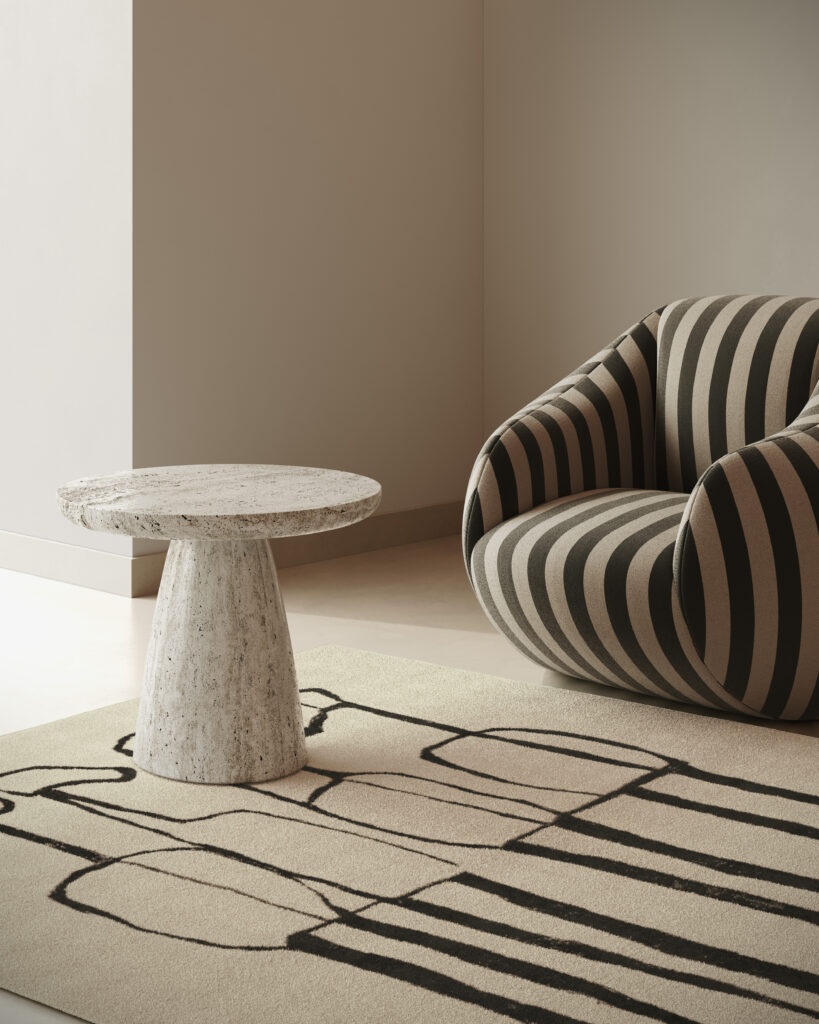
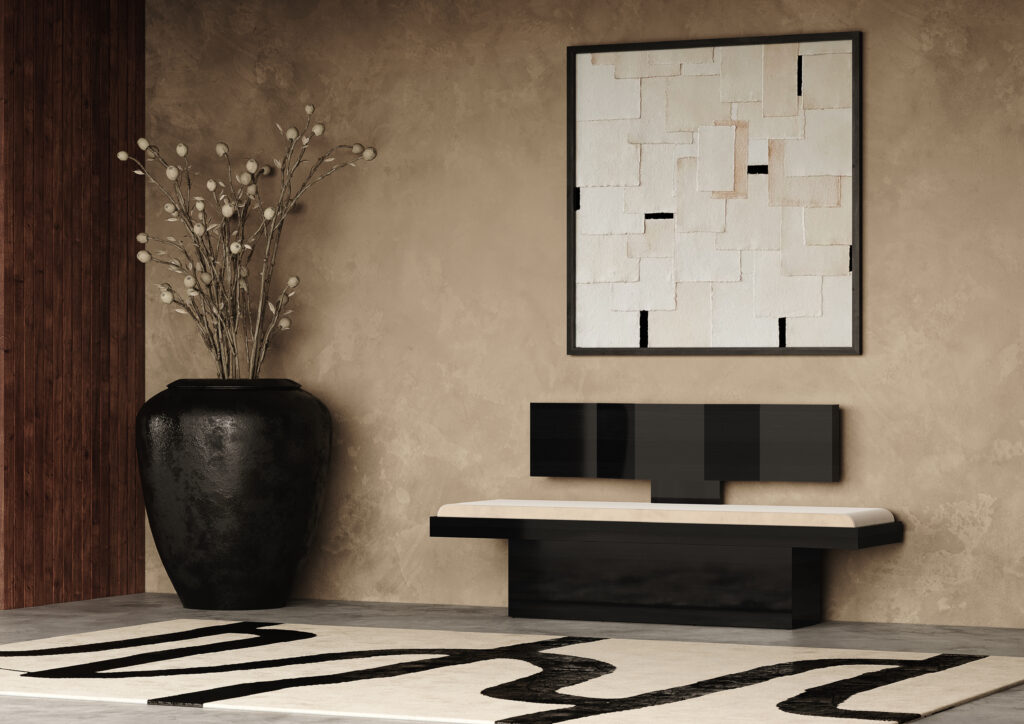
Using these tips helps create rooms with layered textures and visual interest. A well-chosen rug enhances texture in interior design.

Working with Rug Designers
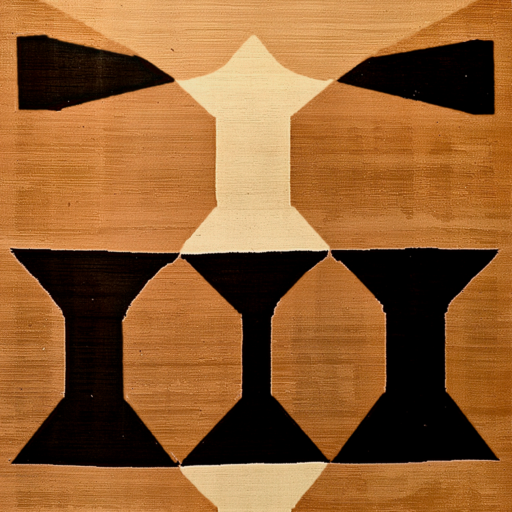
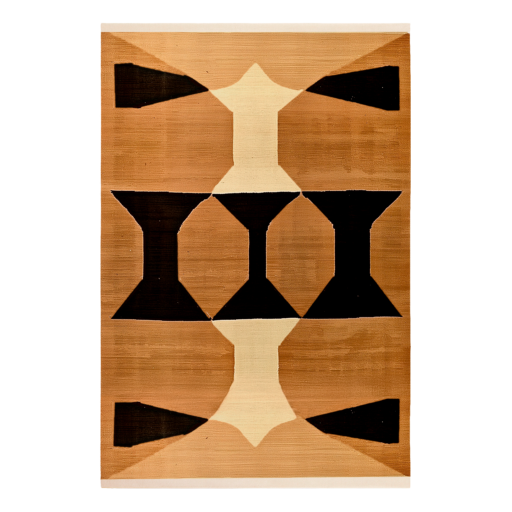
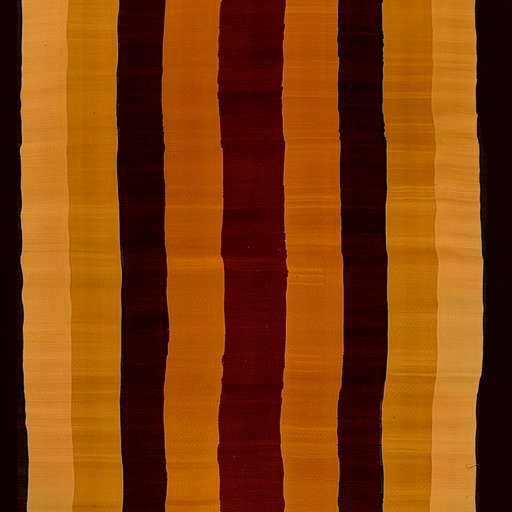
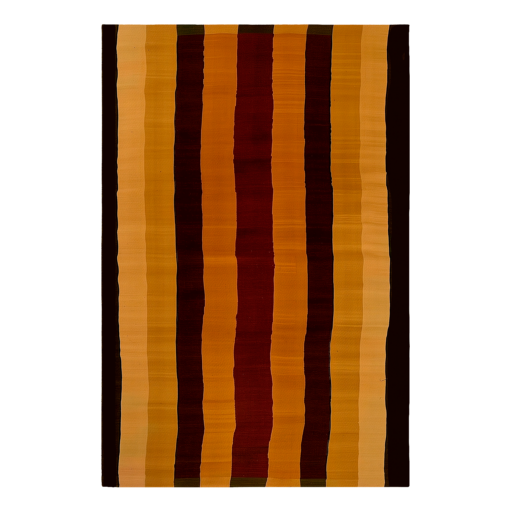
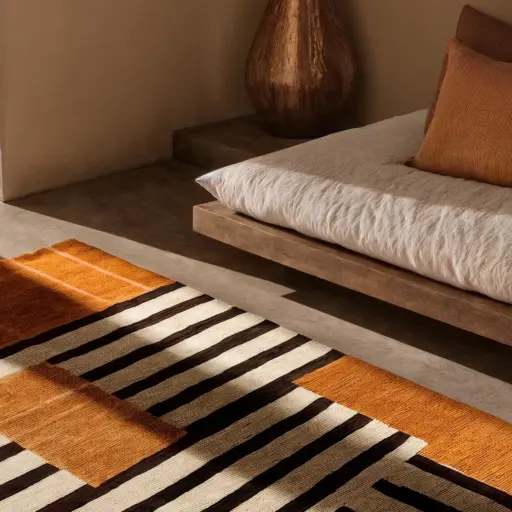
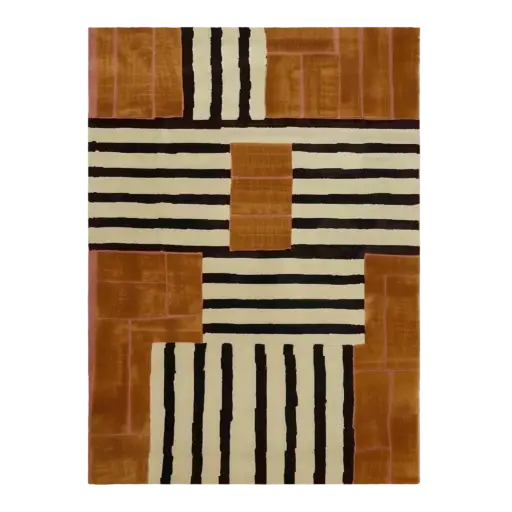
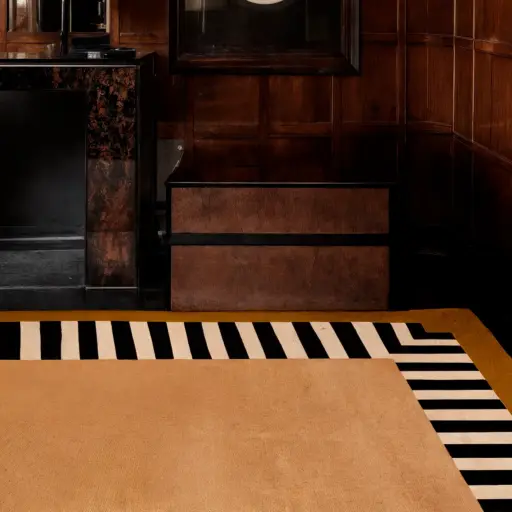
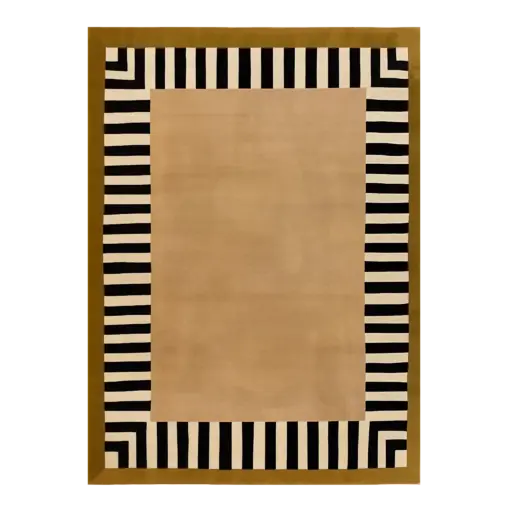
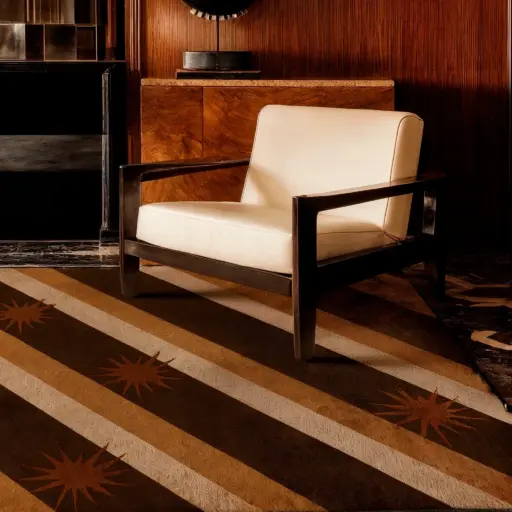
Collaborating with rug specialists can elevate any design project. Brands like Tapis Studio offer handmade rugs that combine traditional craftsmanship with modern design. Unique rugs act as statement pieces, adding authenticity and character to a room.
Designers can choose pieces that perfectly complement a space’s textures, patterns, and colors, enhancing the overall feel. Working with specialized rug designers is a powerful way to explore texture in interior design and achieve a polished, cohesive look.
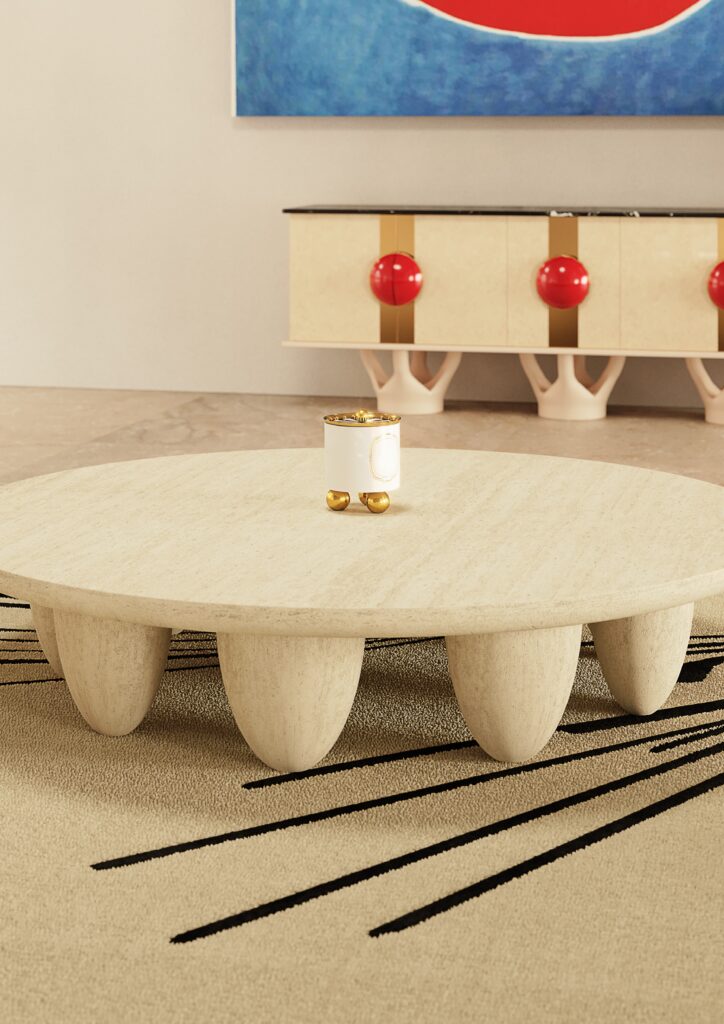
Reflecting Personal Style
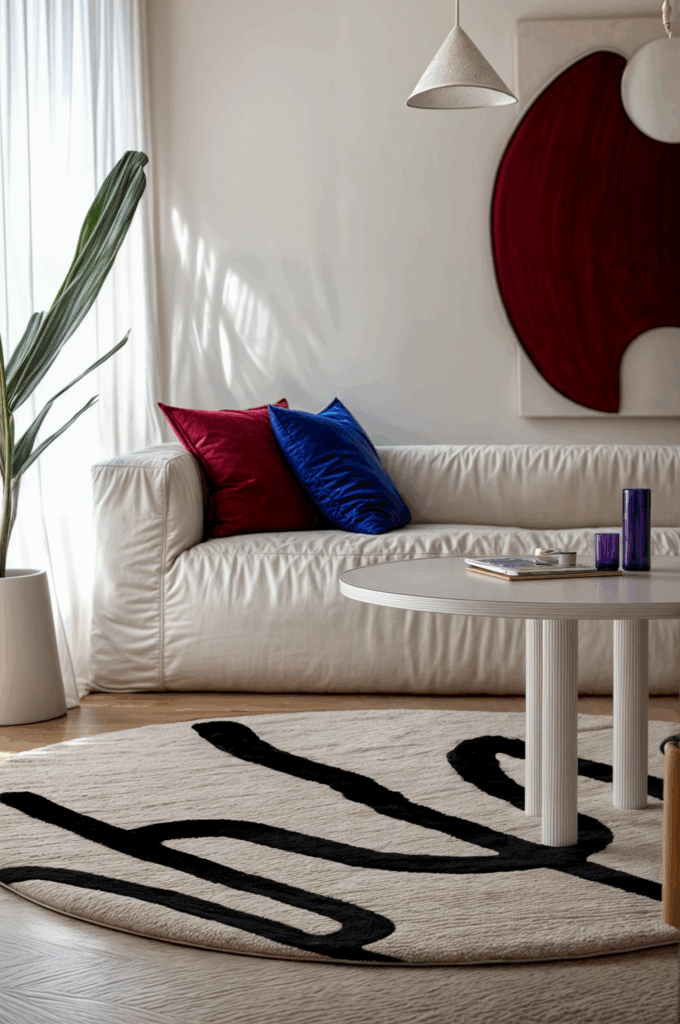
Rugs are essential in interior design. They add color, pattern, and texture in interior design, making rooms feel complete and inviting. Selecting the right rug involves considering material, size, pattern, and color. Layering rugs adds depth, while choosing appropriate rugs for each room enhances comfort and functionality. Sustainable options are also available, allowing designers to combine style with environmental responsibility.
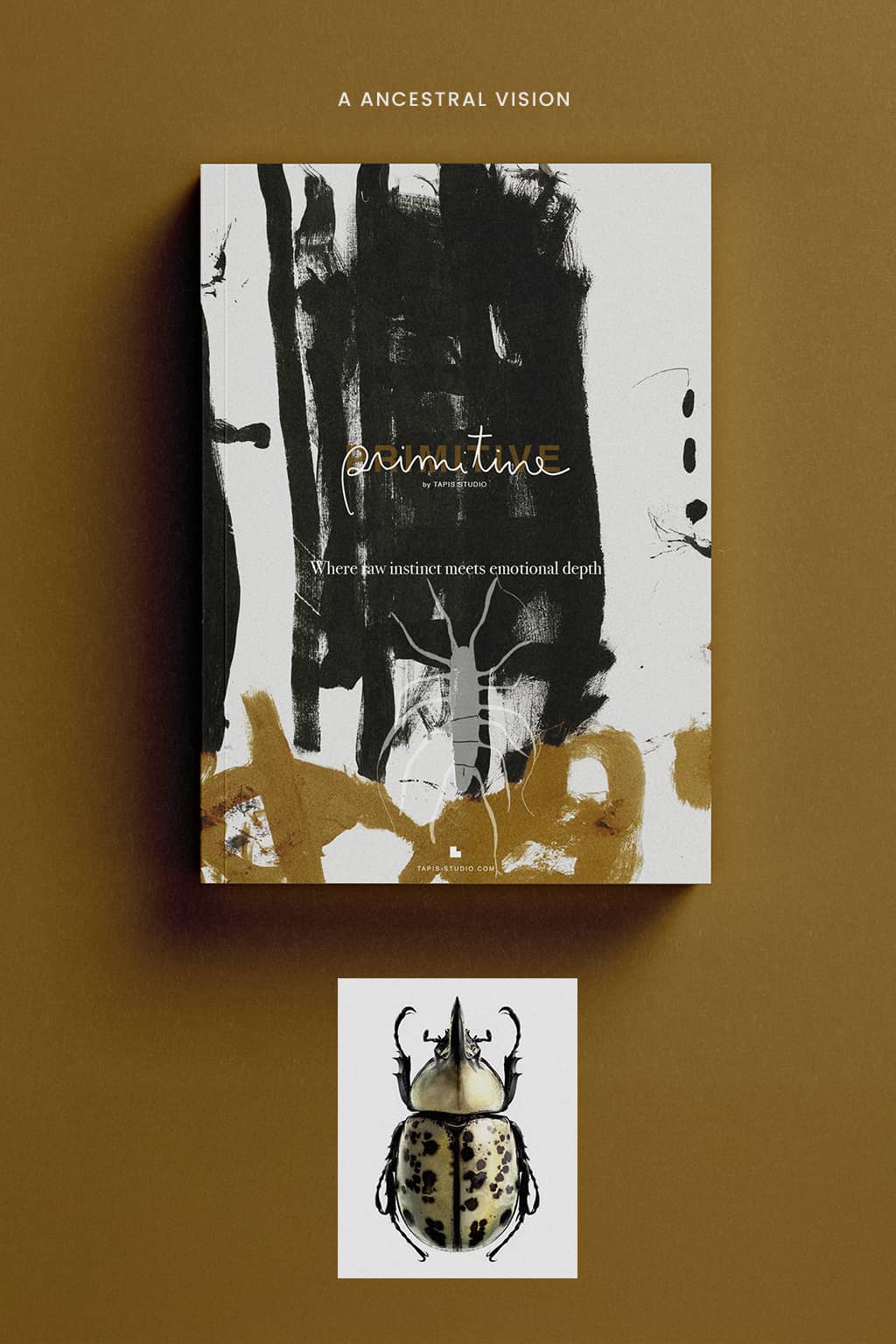
Download our latest catalogue and explore each collection from TAPIS Studio to find inspiration for your next project. Each collection showcases a thoughtful mix of shapes, colors, and textures designed to complement modern interiors while adding warmth and depth. Exploring their curated selections lets you discover rugs that not only elevate your space but also reflect the art of texture in design, with sophistication and balance.
Source: TAPIS Studio