Discover the Magic of Area Rugs in Every Room
When decorating a room, many focus on furniture, paint, or lighting. But one element often overlooked is area rugs. Rugs are more than just floor coverings; they are the foundation of great design. They define spaces, add warmth, and bring style to any room. Choosing the right area rugs can transform an ordinary room into a cohesive, inviting space.
Area Rugs Define Spaces
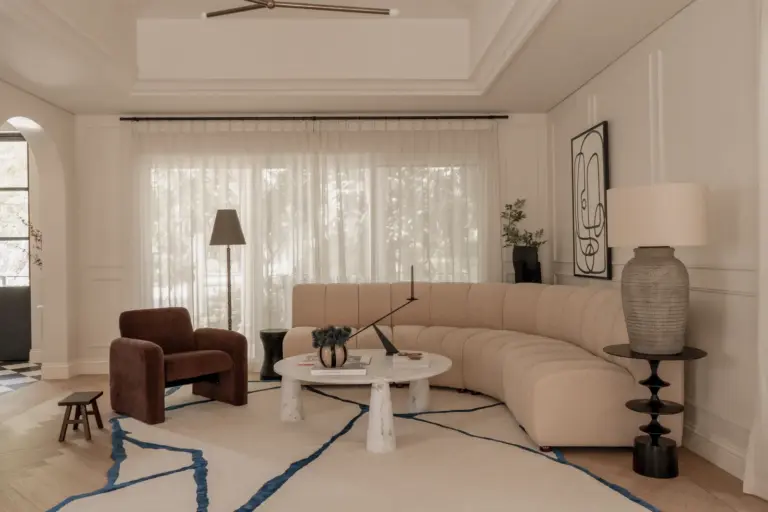
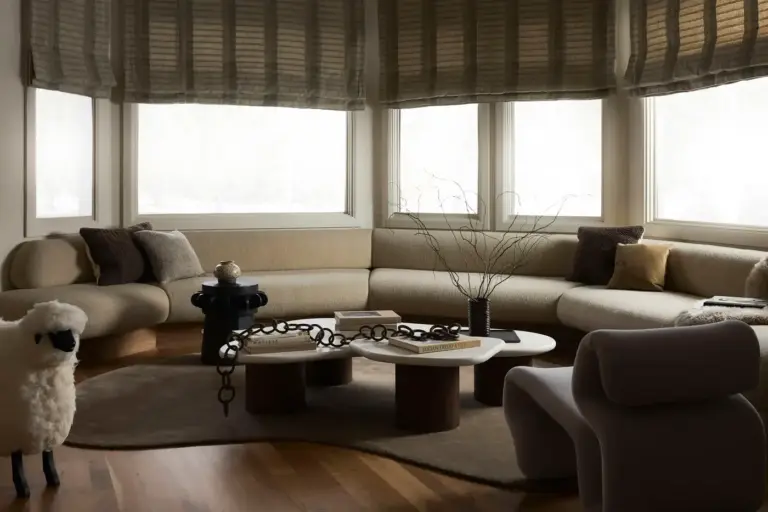
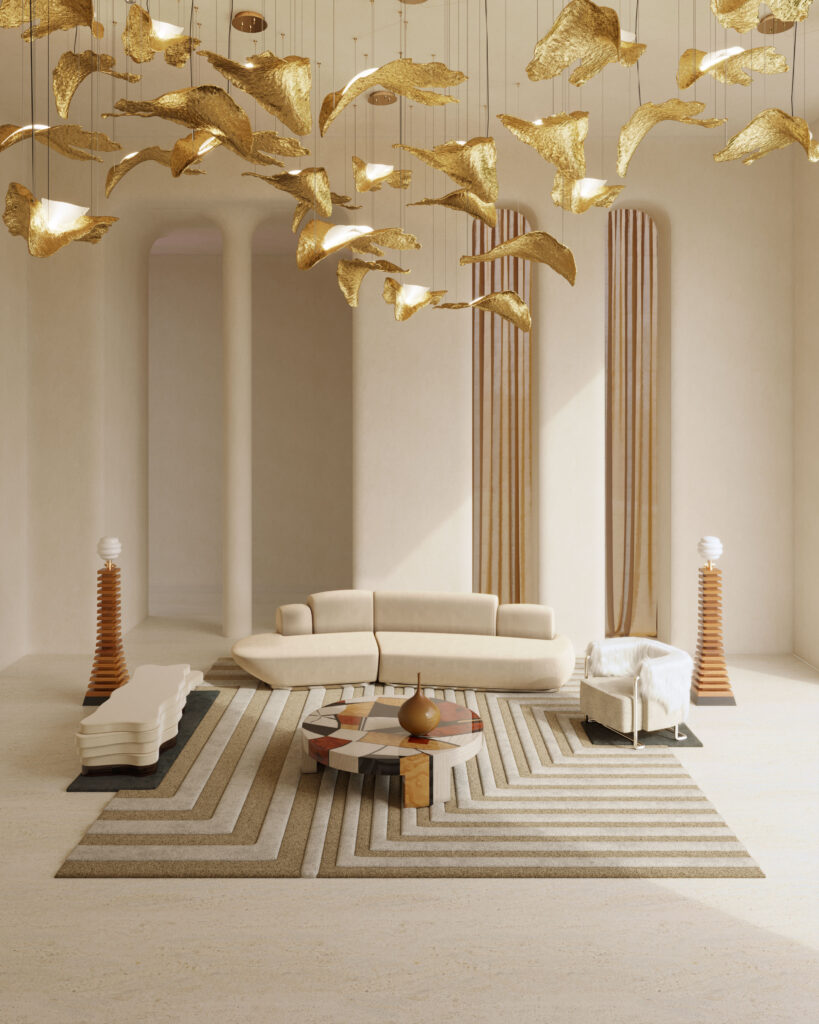
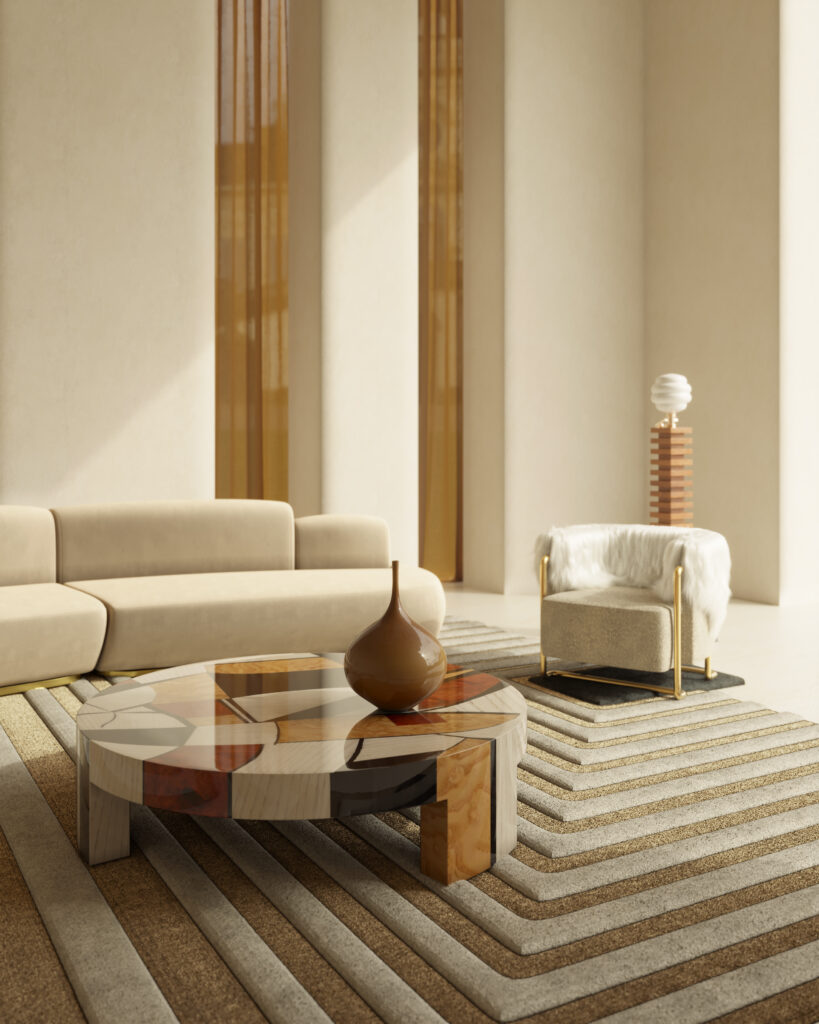
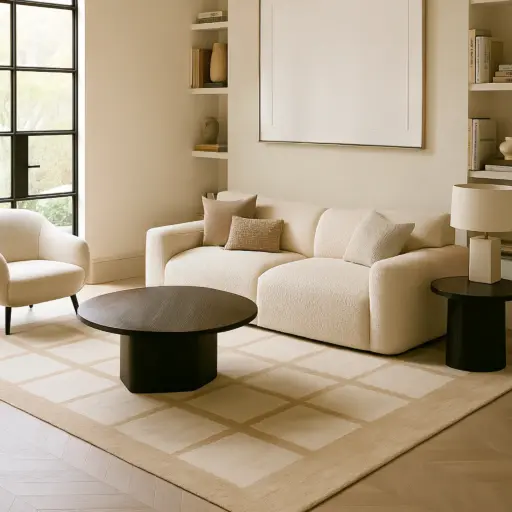
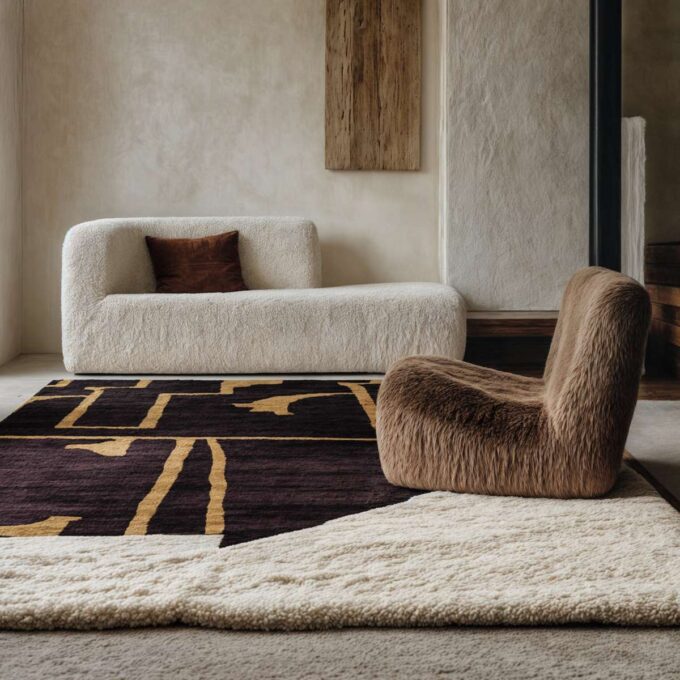
In open-plan homes, rugs help define different zones. They create a cozy living area, a separate dining space, or a quiet reading nook. Without an area rug, a room can feel disconnected. A well-placed carpet anchors furniture and visually organizes the space. For example, placing the Tapis Retro 29 rug under a sofa creates a clearly defined seating area. Large area rugs work especially well in open living spaces, giving each section a distinct purpose without the need for walls or partitions.
Adding Color and Texture
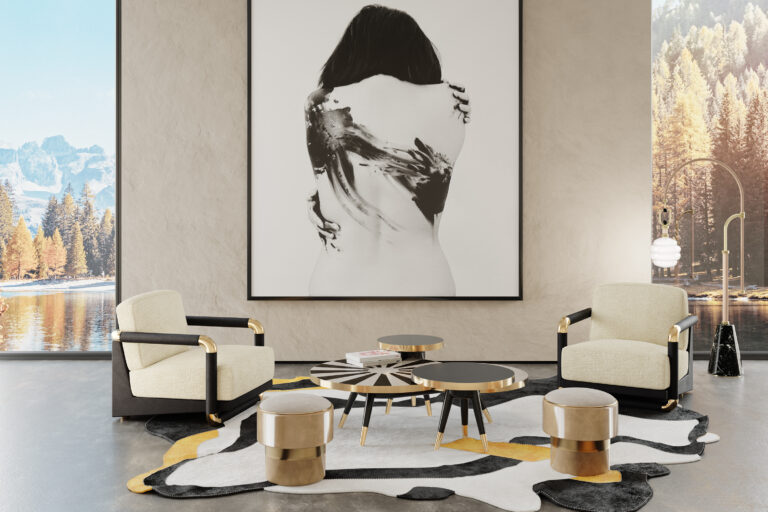
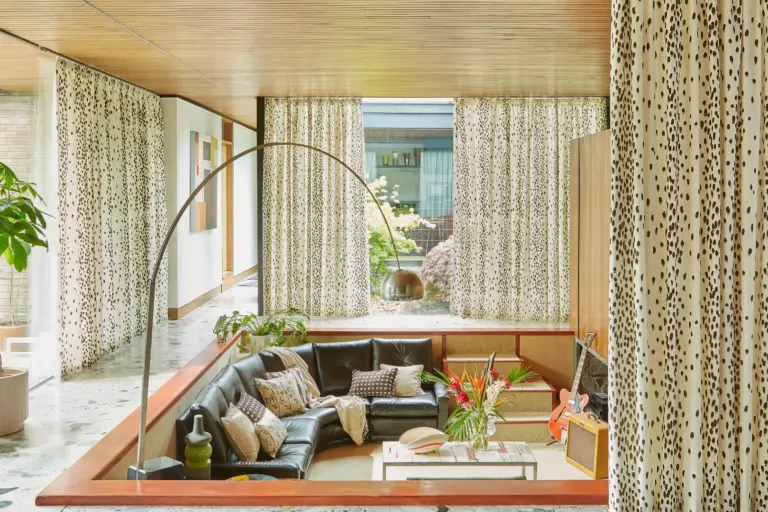
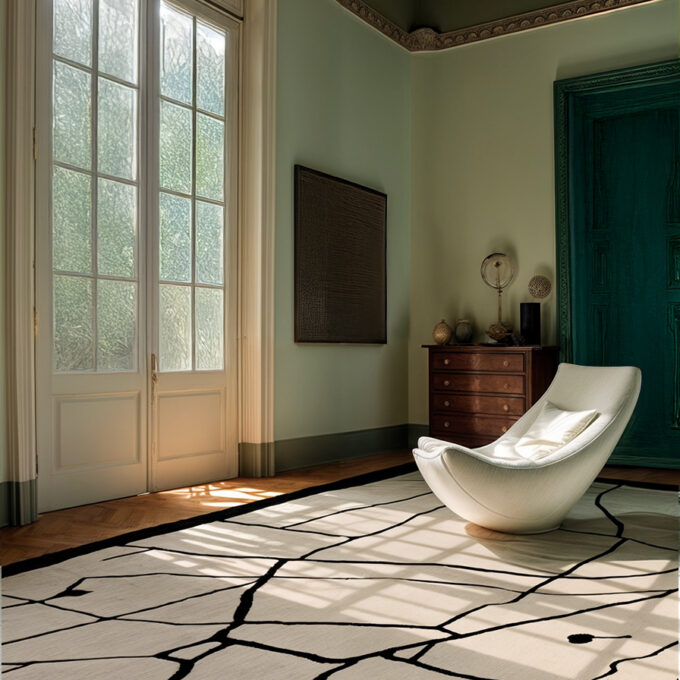
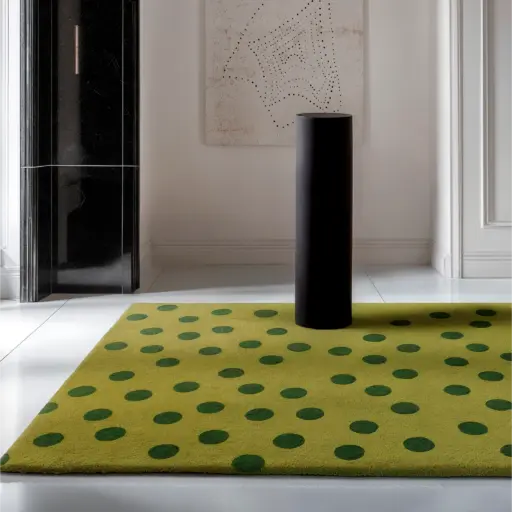
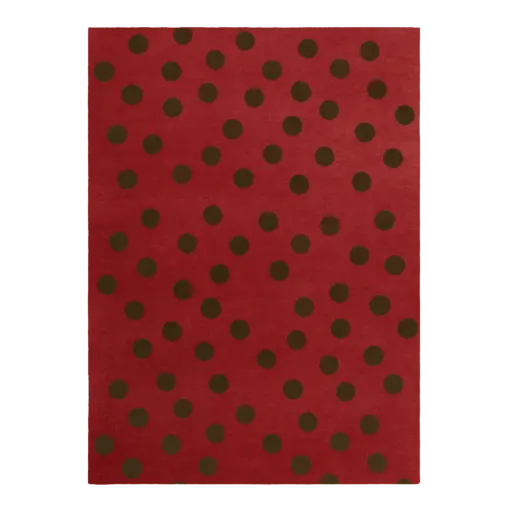
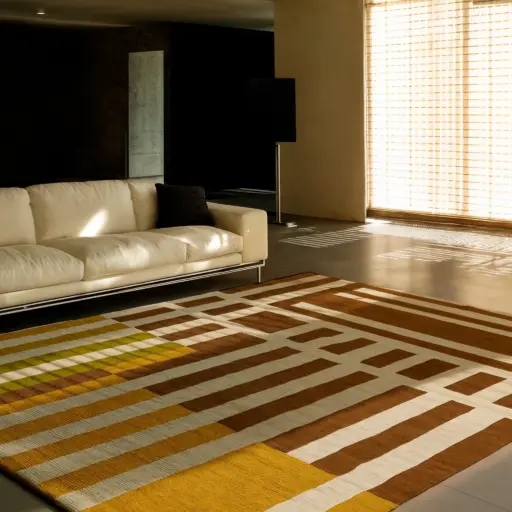
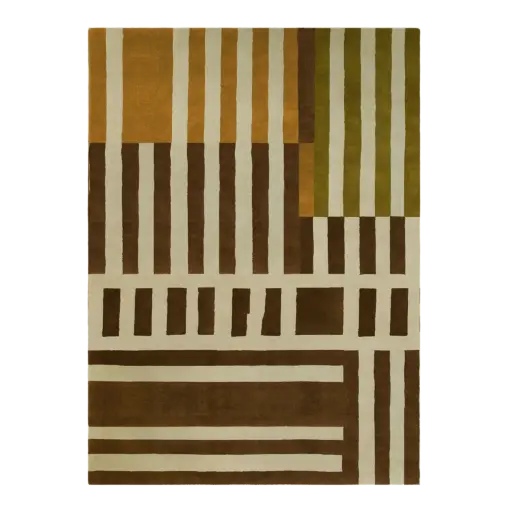
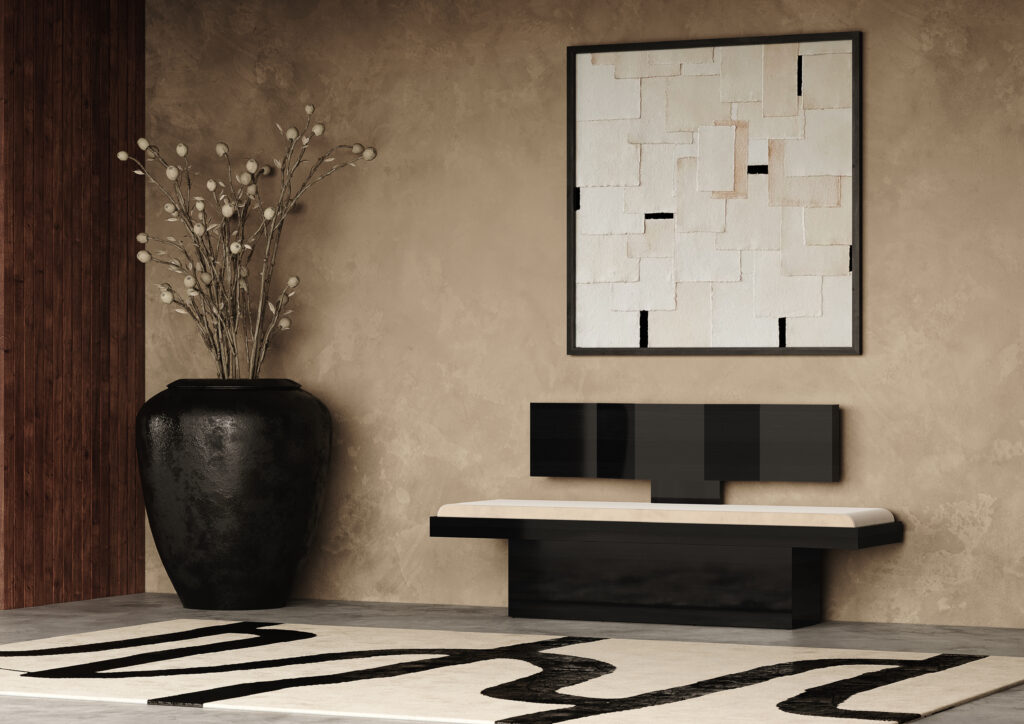
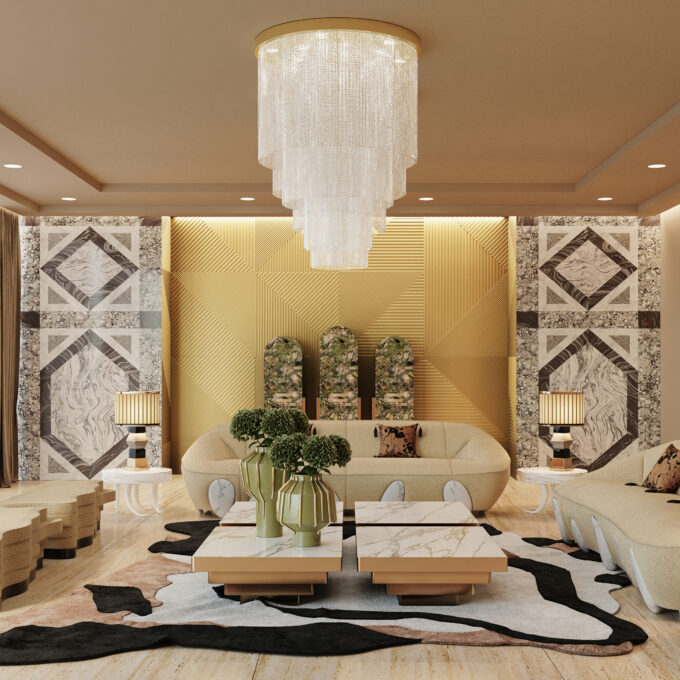
Area rugs bring color and texture to the floor, complementing walls and furniture. They can be bold and vibrant or soft and neutral. A textured rug adds depth, making a room feel layered and inviting. The Astro Rug uses striking black-and-white patterns to add modern flair. Meanwhile, the Tapis Menizia 3 rug adds gentle warmth and color, softening a minimalist space. By layering smaller area rugs, you can introduce multiple textures and colors without overwhelming the room.
Bringing the Room Together
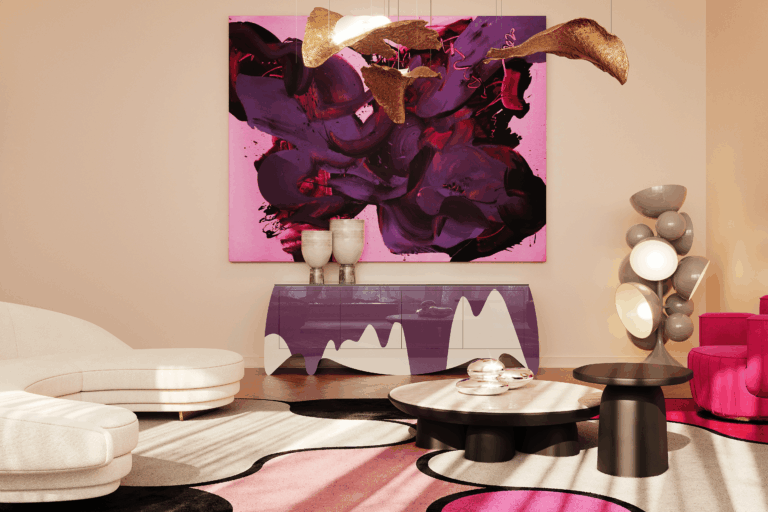
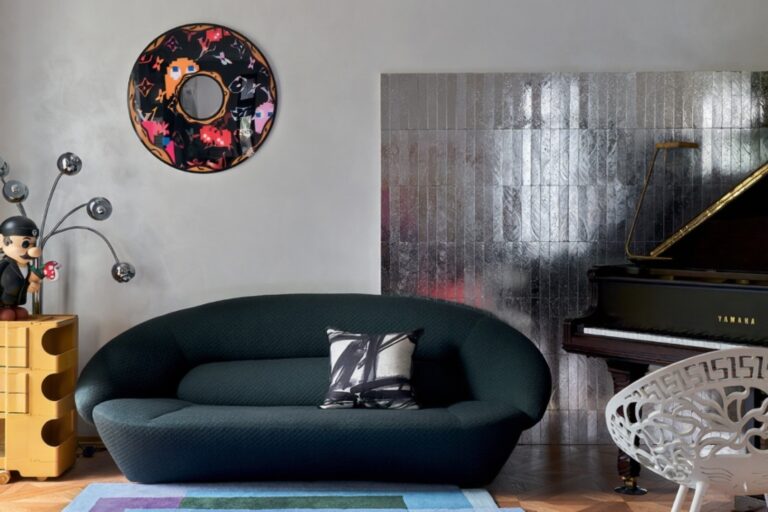
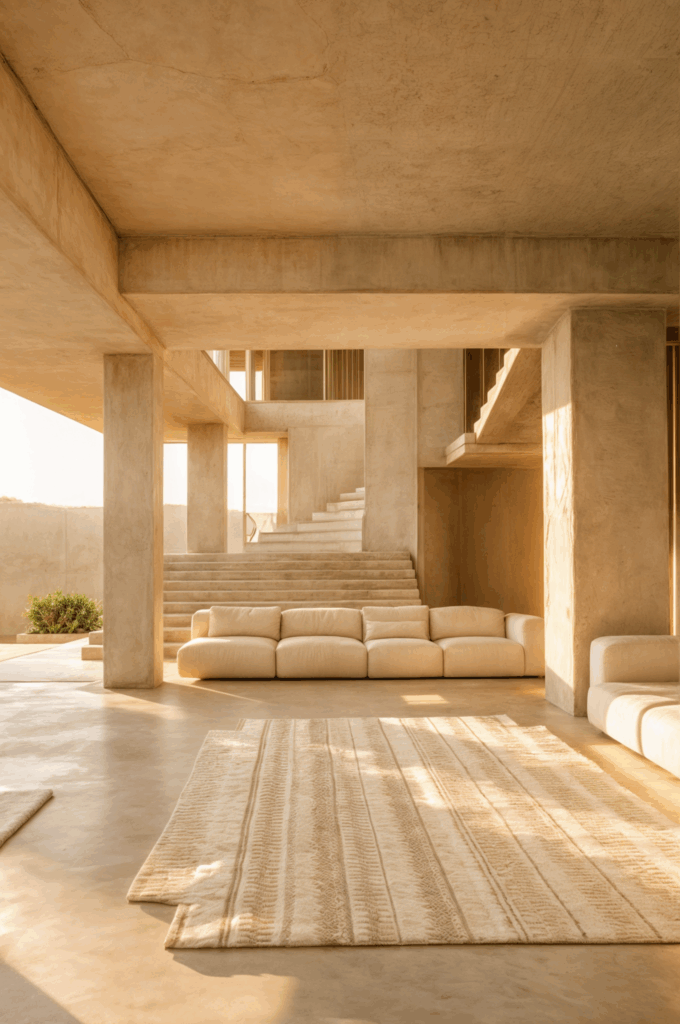
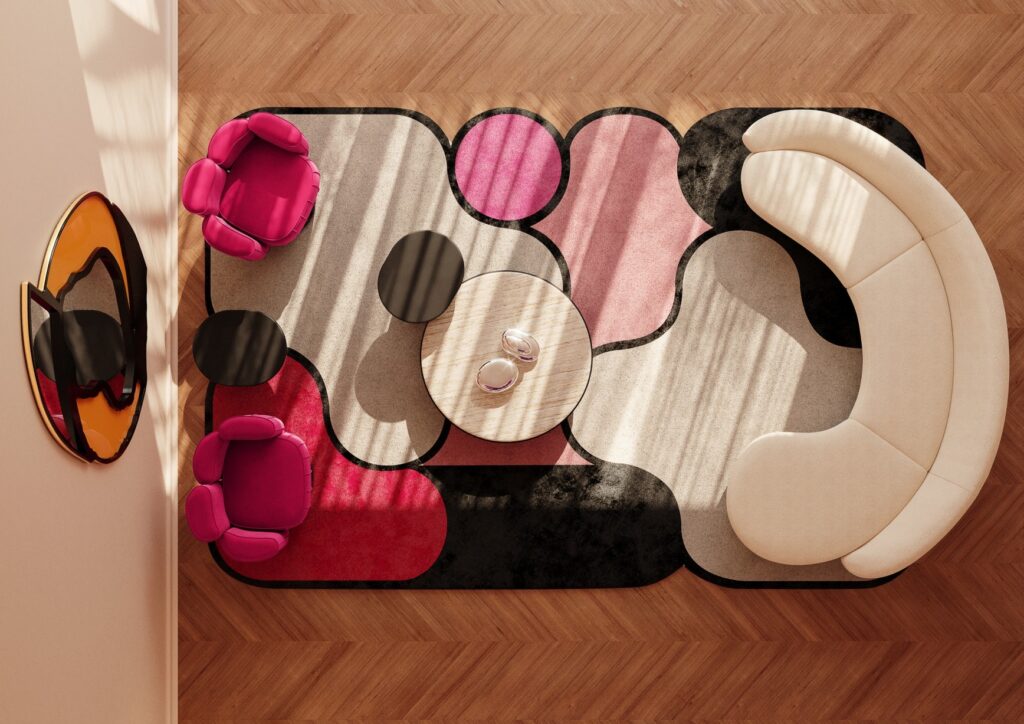
Think of an area rug as the glue that holds a room together. It links furniture, colors, and patterns to create harmony. The Tapis Magenta 10 adds a vibrant touch, tying together chairs, sofas, and curtains. Without a rug, even carefully chosen furniture can feel disconnected. With the right rug, the room instantly looks cohesive. Matching rugs to accent pieces or cushions can also create a professional, well-thought-out design.
Influencing the Mood of a Space
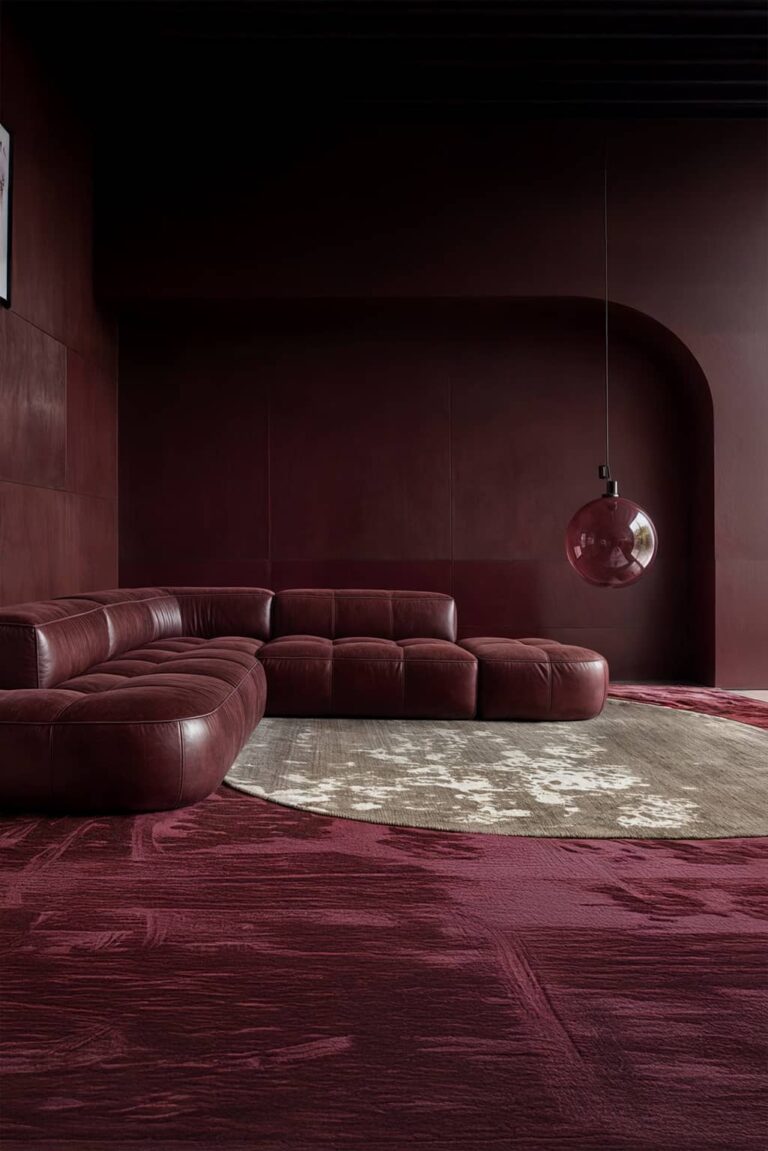
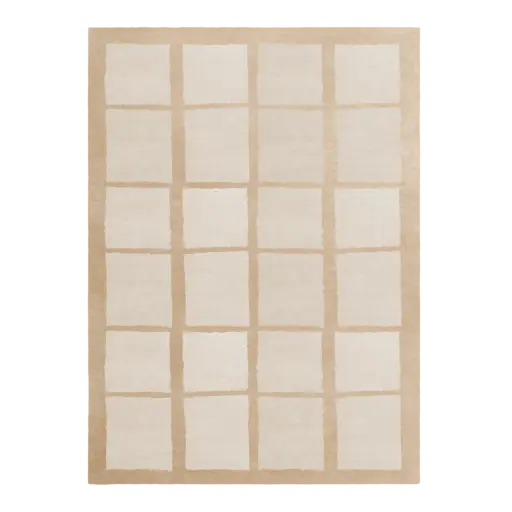
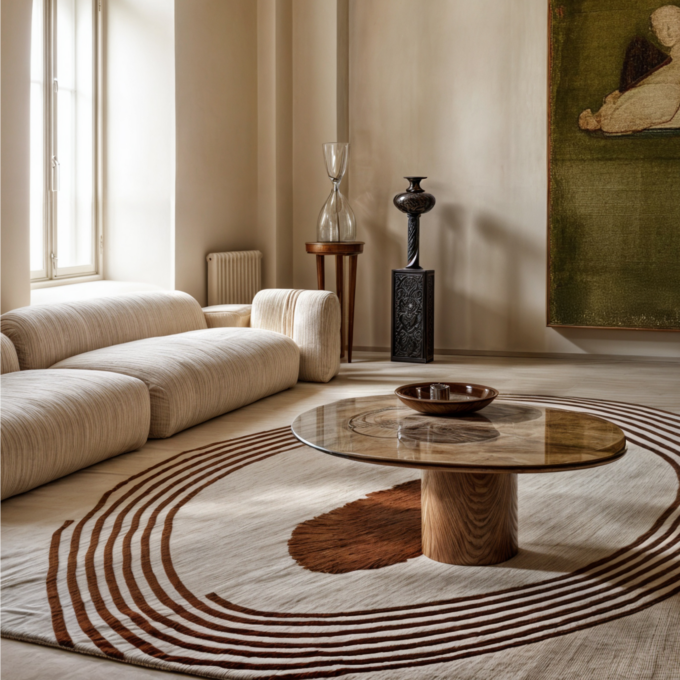
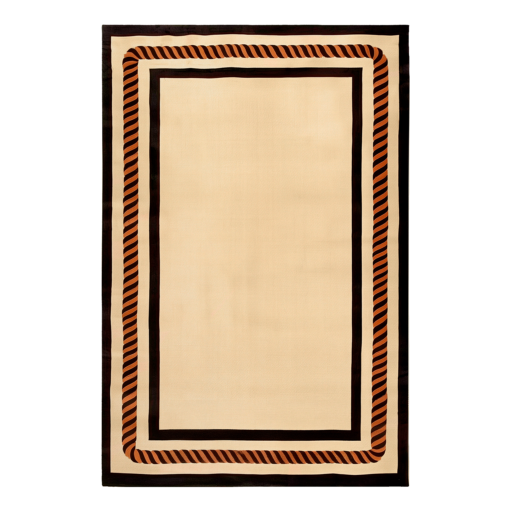
The right area rugs set the tone for a room. Bright, colorful rugs energize a space, while muted tones create a sense of calm and relaxation. A luxurious area rug can make a room feel elegant. For example, the Tapis Cotton rug provides a serene backdrop for relaxing evenings. The choice of a rug can shape how people feel and interact in space. Even simple changes, like switching from a neutral rug to a vibrant patterned one, can refresh a room’s energy.
Enhancing Comfort and Warmth
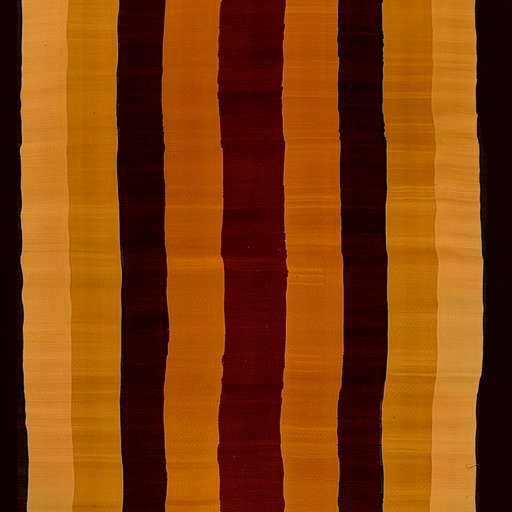
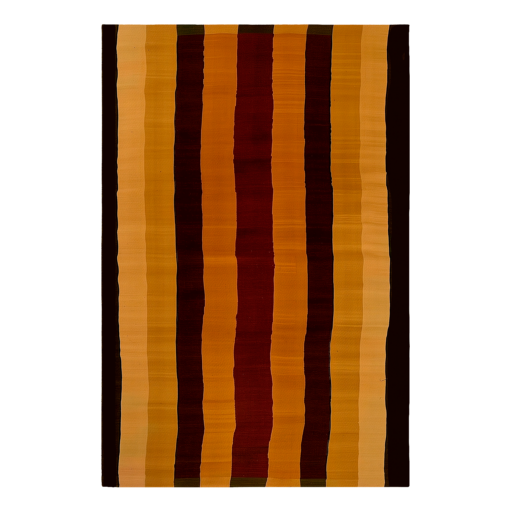
Hard floors can be cold and uncomfortable. Area rugs provide softness and warmth underfoot. They also reduce echo in rooms with hardwood or tile floors. The Tapis Tobacco rug offers a plush surface, creating a welcoming, comfortable environment. In addition, layering rugs in larger rooms can create extra warmth and cozy zones for reading or lounging. The tactile feel of wool, silk, or blended fibers makes a room feel lived-in and inviting.
Highlighting Furniture and Layout
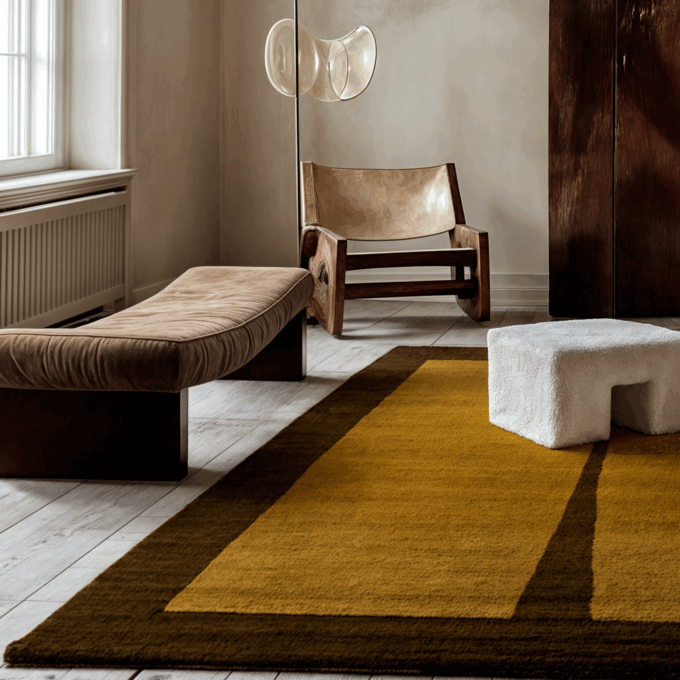
A well-placed area rugs highlight furniture. It frames sofas, coffee tables, and beds, making the furniture stand out. The Sapien Rug creates a bold centerpiece, while the Tapis Coffee Rug subtly complements wooden furniture. Choosing an area rug that matches your layout enhances the room’s overall aesthetic. In dining rooms, a slightly larger rug under the table keeps chairs on the rug even when pulled out, blending function and style.

Creating Visual Interest and Depth
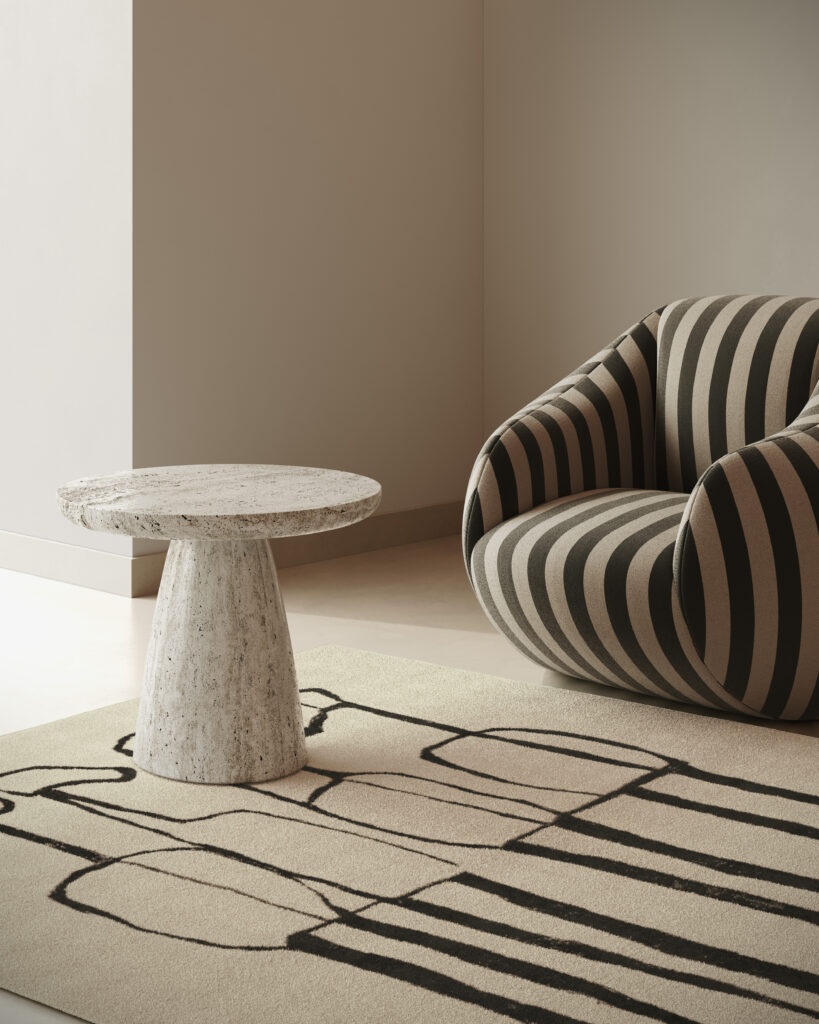
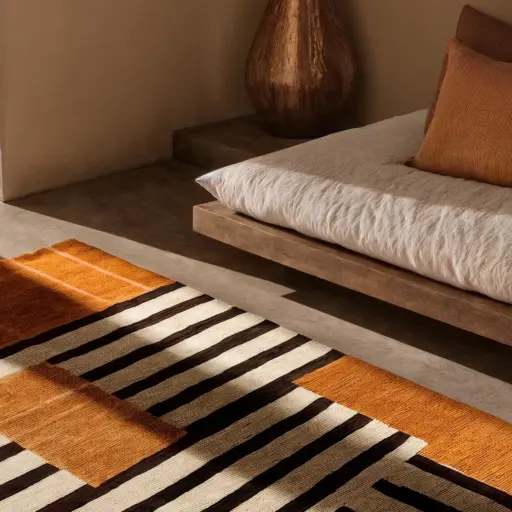
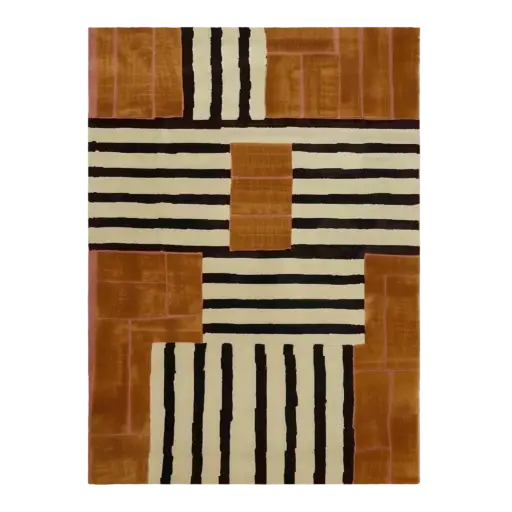
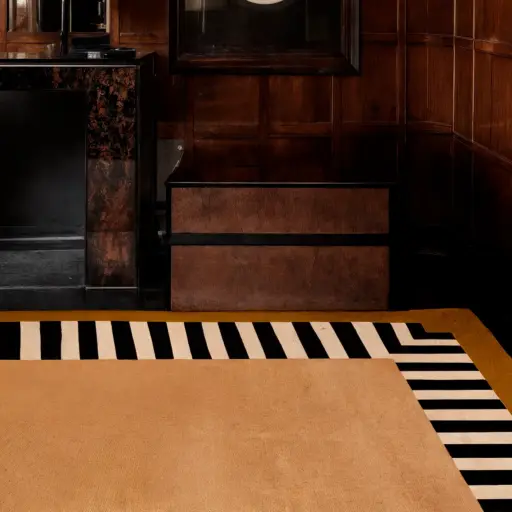
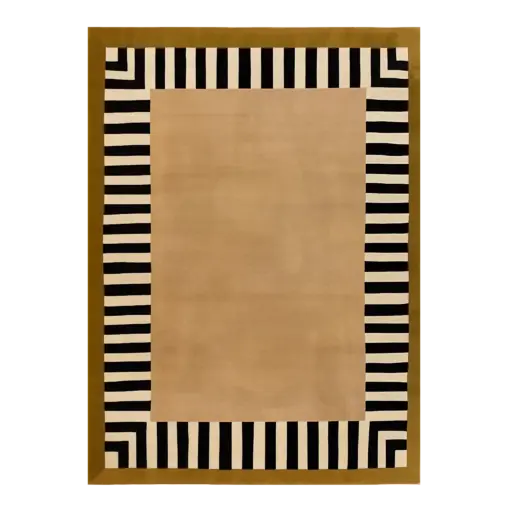
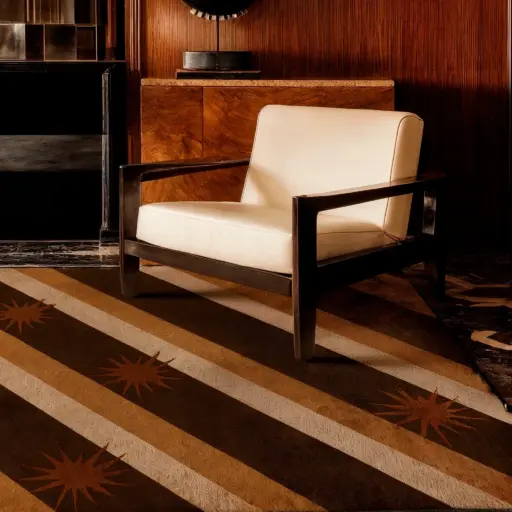
An area rug can be a focal point in a room. Its color, pattern, and texture draw attention and create excitement. Rugs allow designers to experiment with bold shapes and patterns without committing to permanent décor changes. The Flirty Rug and Desert Rug features subtle yet captivating hues. Using layered or patterned area rugs can also visually expand smaller rooms and add depth to otherwise plain floors.
Reflecting Personal Style
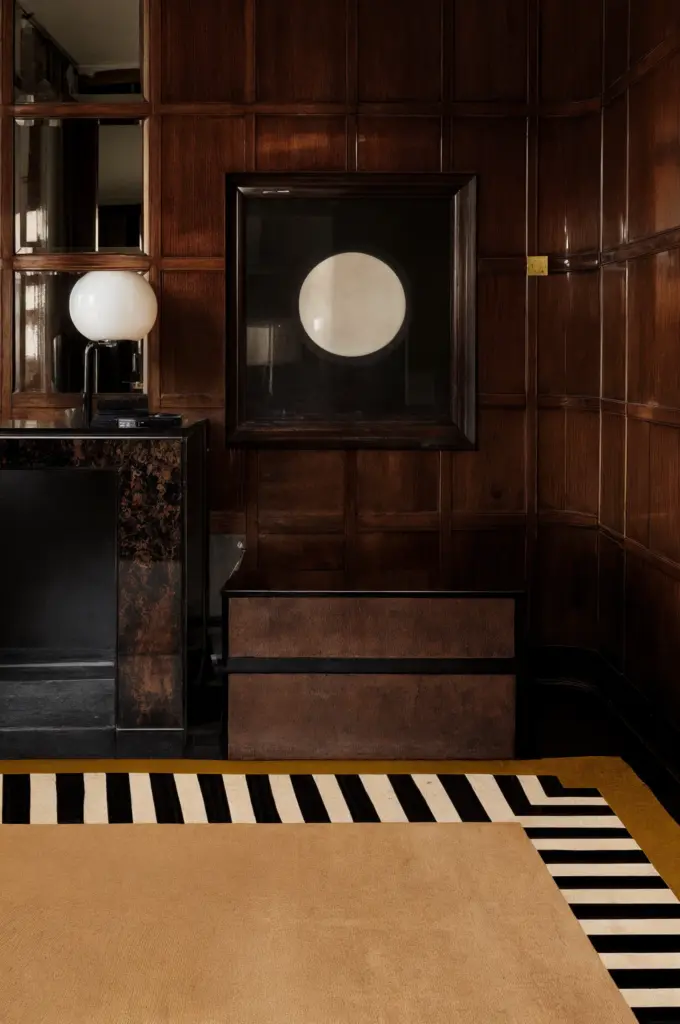
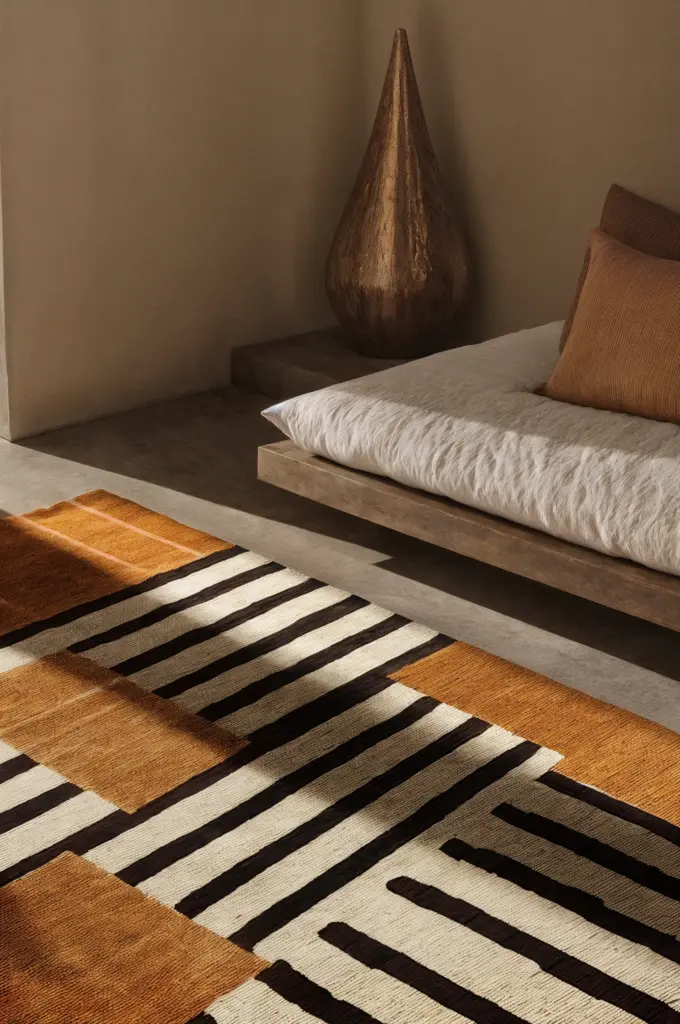
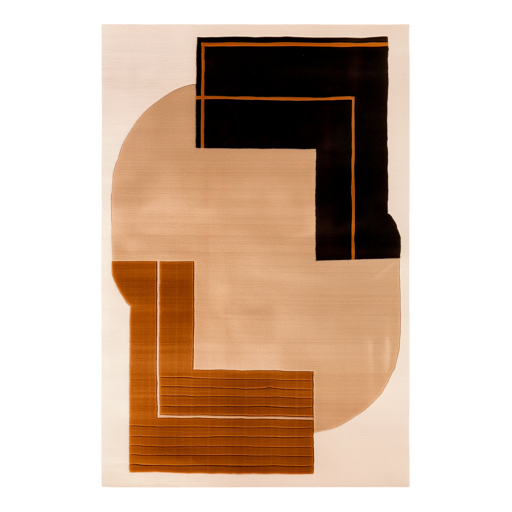
Every rug tells a story. It shows your taste, style, and preferences. Traditional, modern, or handmade, area rugs personalize space. The Tapis Patchouli expresses warmth, while the Tapis Shaped 43 demonstrates boldness. Your choice of area rugs transforms a generic room into a reflection of who you are. Mixing patterns or introducing a vintage-inspired rug can further highlight your design sensibility.
Practical Tips for Using Area Rugs
- Size Matters: Always measure your space. A rug that’s too small can feel disconnected. A large one can unify furniture and visually expand the room.
- Placement: In living rooms, ensure that at least the front legs of sofas or chairs sit on the rug. In bedrooms, rugs should extend beyond the bed for comfort when getting up.
- Layering Rugs: Combine a neutral base rug with a patterned top rug for dimension and personality.
- Maintenance: Rotate rugs seasonally to prevent uneven wear and keep colors vibrant. Vacuum regularly and treat spills immediately.
- Seasonal Updates: Switch rugs with the seasons. Light, airy rugs for summer; warm, thick textures for winter, enhancing comfort and aesthetics.
Choosing the Right Area Rugs
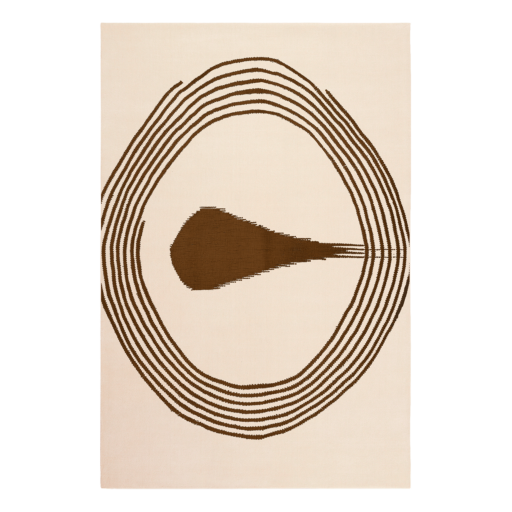
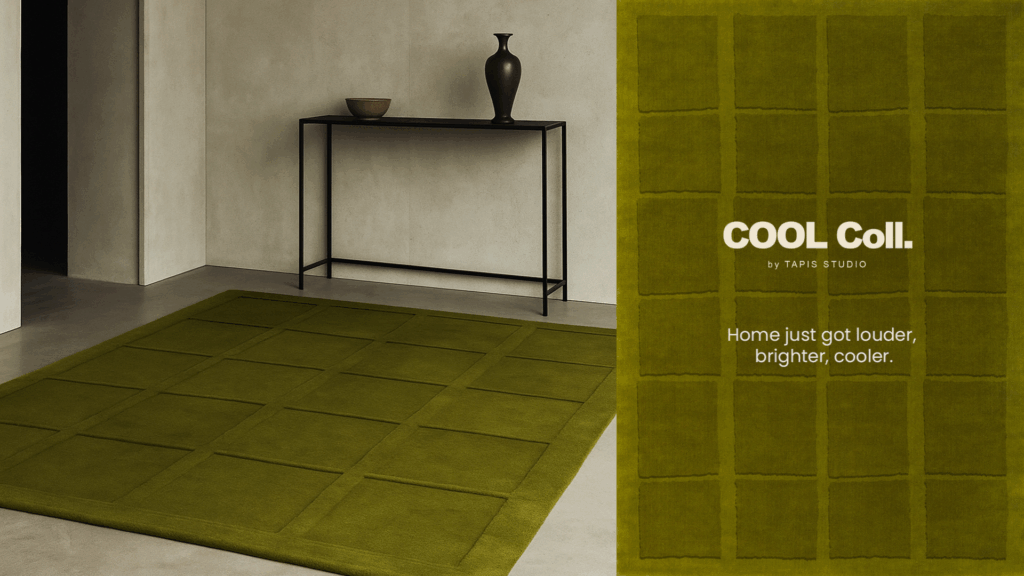
Selecting the perfect rug requires considering size, color, material, and placement. Ensure that it fits the space and complements your furniture. Area rugs are a key element of great interior design. They define spaces, add color and texture, and bring comfort and style to any room. A well-chosen carpet highlights furniture, reflects personality, and creates harmony. TAPIS Studio offers high-quality area rugs in a variety of shapes, colors, and textures. By exploring TAPIS’ collection, you can find the perfect rug to elevate your home.
Source: TAPIS Studio