Interior Design

[wd_asp id=3]
Colorful Rugs

Colorful Rugs Transformed This Old Apartment. Here’s How.

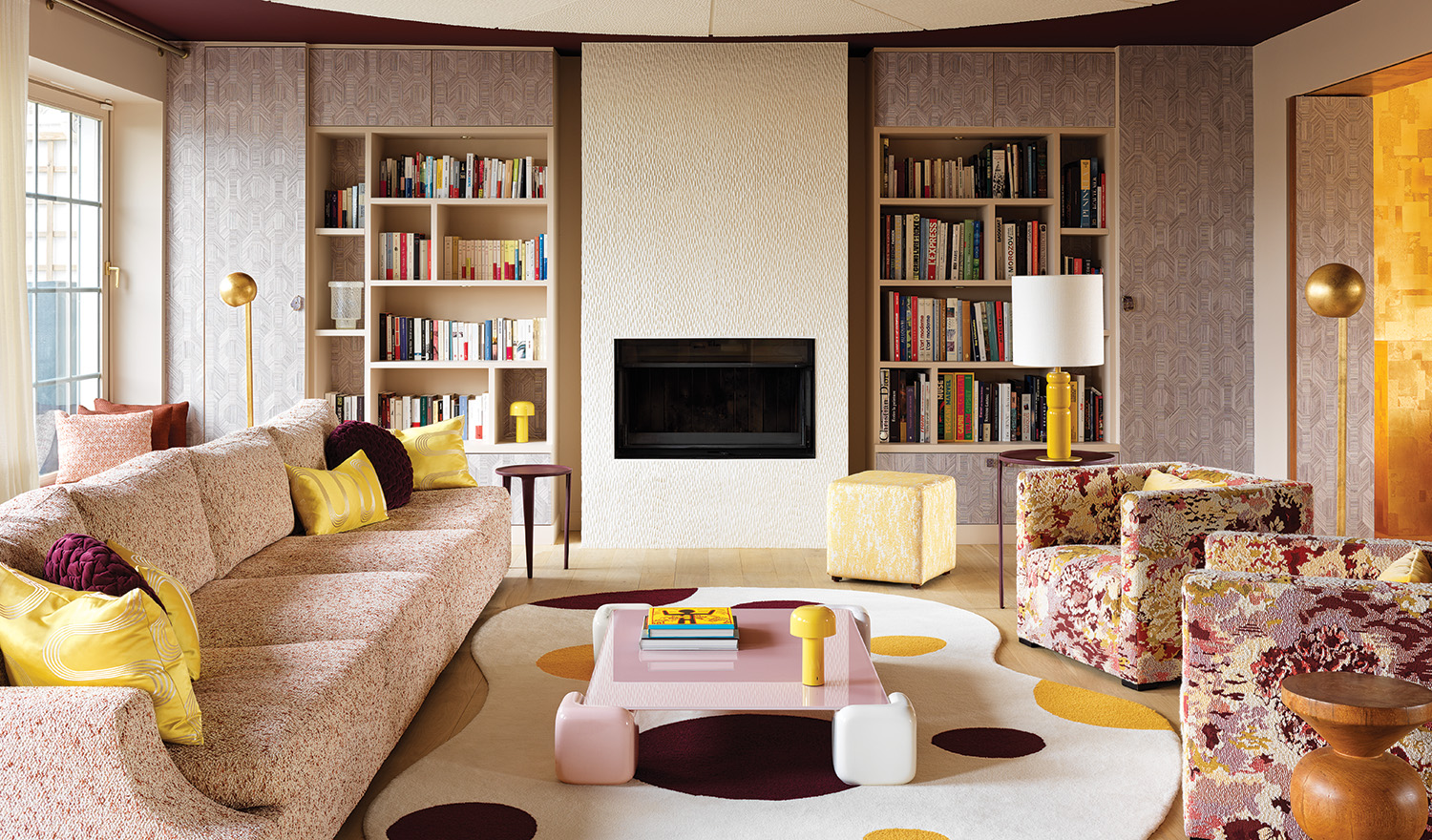
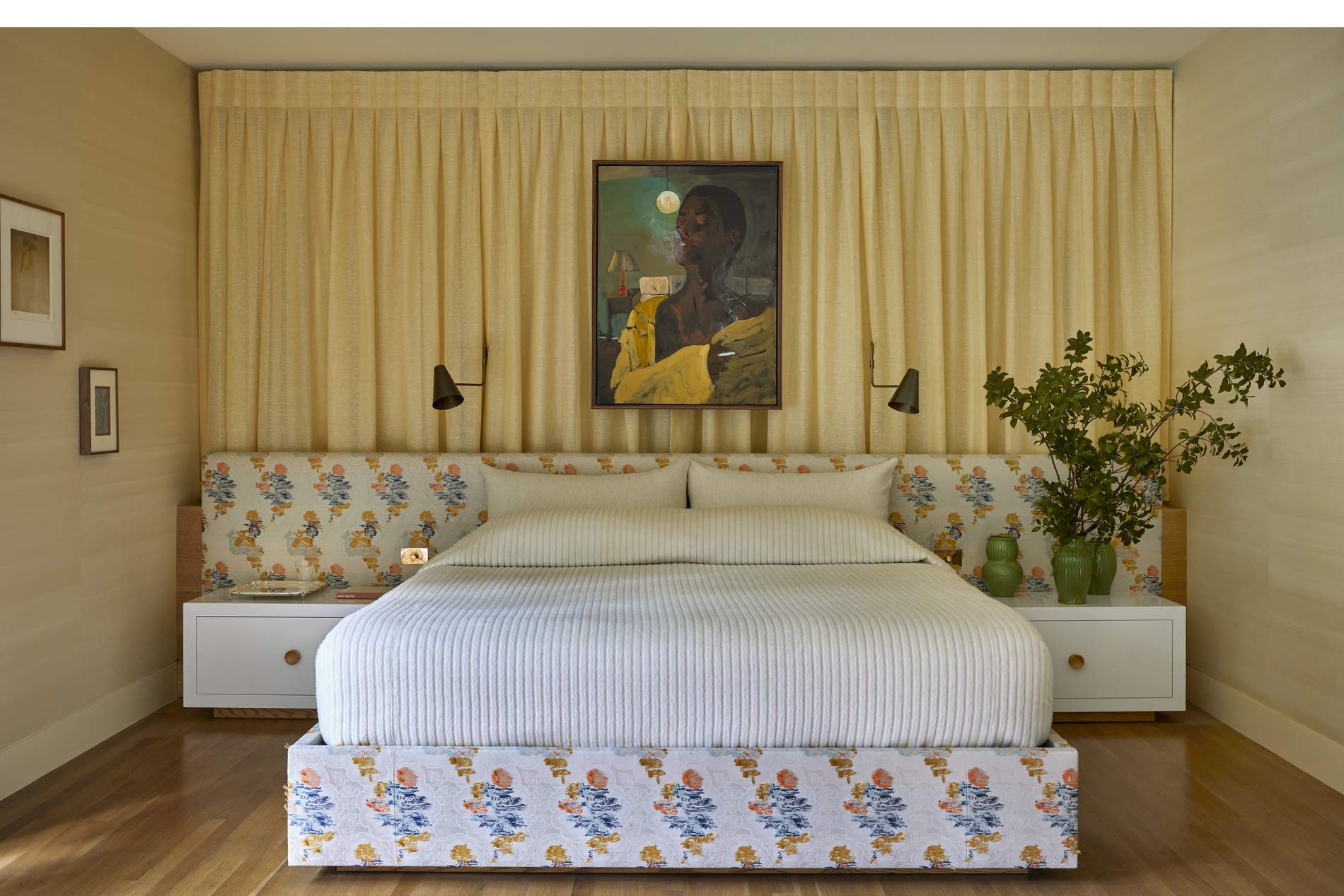
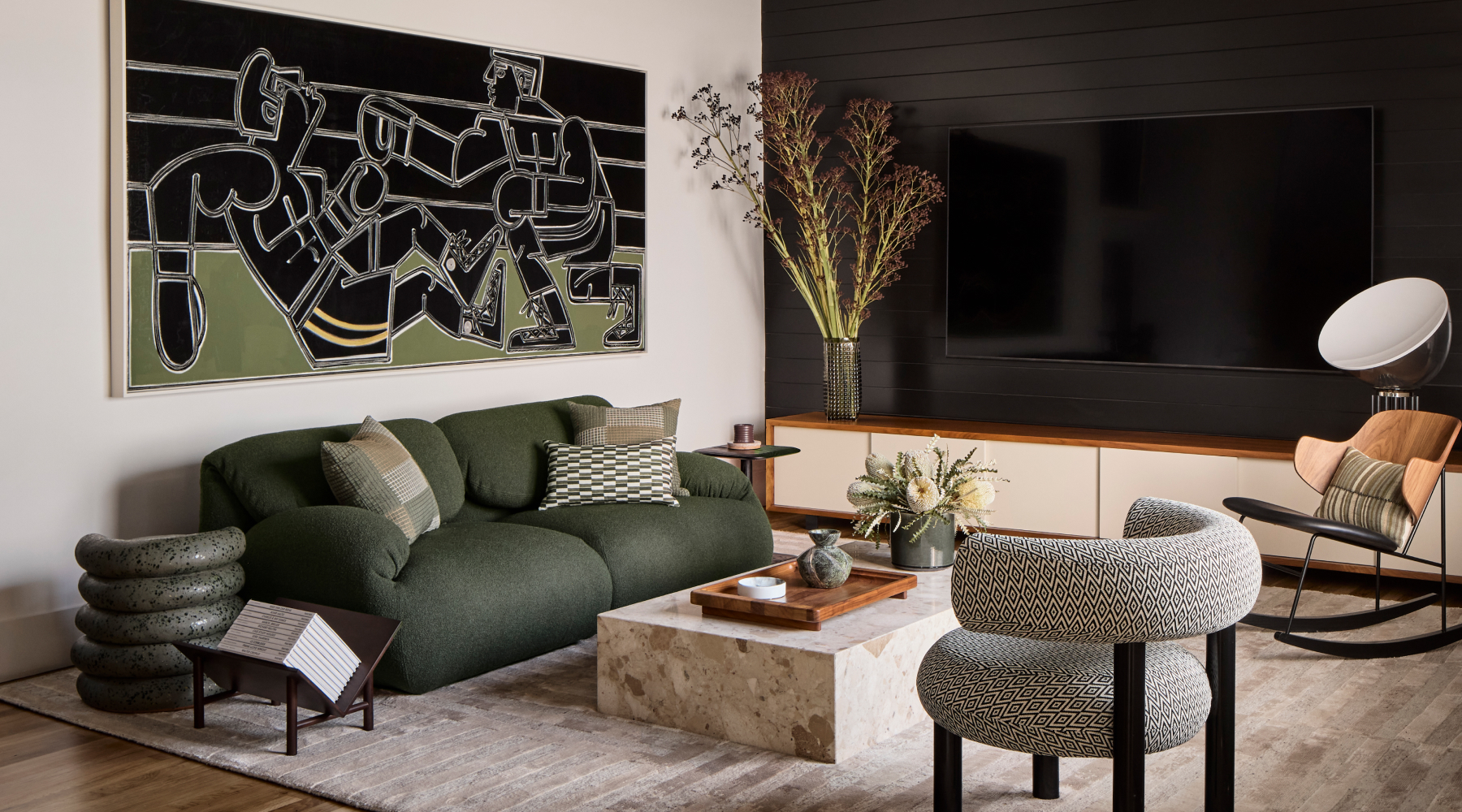
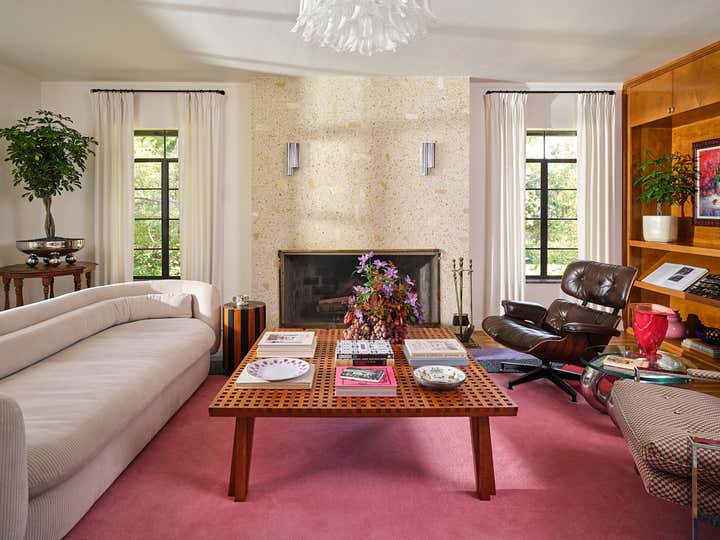
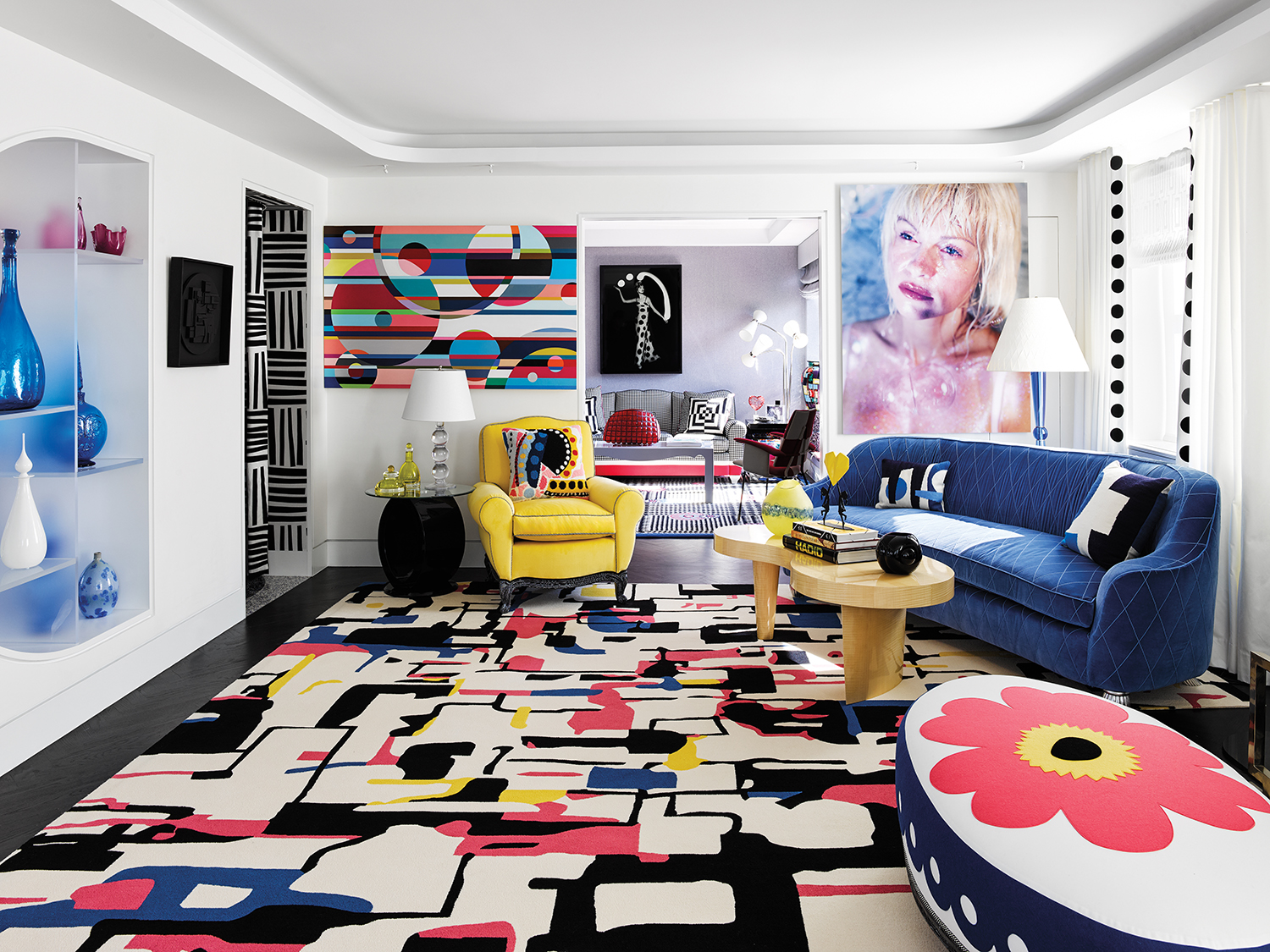
Learn how Anthony Baratta and Erick Espinoza turned this apartment from the 40s into a vibrant new home, using creativity, innovation, and colorful rugs. When a young couple approached interior designer Anthony Baratta and his partner, Erick Espinoza, with a project that involved renovating an old apartment from the 40s into a home where their unique, quirky tastes, as well as a means to show off their expanding, bold art collection. According to Anthony Baratta, “When someone is a collector, an interior comes out so much more interesting. It has personality before the design even starts.” This meant that they had to first strip the apartment down to its core, to make way for the lively, bright idea the clients had envisioned. After that, the designers chose to include many different additions, including the colorful rugs we mentioned before. The first rug we’ll be breaking down is located in the living room. Incorporating the artsy aesthetic of this living room, both colorful rugs blend into the atmosphere. They complement both different sections of the living room differently, so let’s analyze them individually. The rug we see closer in the image is striving to mix multiple different shapes, sizes, and colors. Although it focuses mostly on warm colors like red and yellow, it also has blue and black to contrast with the tone of the rug, making it unpredictable. The rug in the other section of the living room, however, is not as colorful, but brings a completly different mood to the table. It mixes black and white, red and blue to make sure you feel the contrast in this particular rug. The pattern is unpredictable and looks unstable since the lines are very different from one another, but the flowers present in this piece bring a sense of comfort and safety, soothing and relaxing whoever is there. The clients have a very strong love for color, patterns, and European design, which resulted in their high involvement in the project. This love for color can be seen all around the house, with their preference for highly colorful rugs and other pieces of furniture, with out-of-the-ordinary design styles and themes. The main bedroom is no different from the rest in that regard. Its main color is pink, and you can practically see it everywhere, from the furniture to the wallpaper. The rug in this particular room features a lot of waves and circular shapes, which bring a feeling of fluidity and peace of mind. This angle shows off a different view of the rug, which makes it much easier to feel what Baratta’s goal was for this room. In this part of the rug, we can see that the shapes use many more lines to separate the different colors and pass on a more geometrical feel. The amalgamation of oval and more rectangular shapes makes this rug feel that much more different from the other colorful rugs Barrata’s has used so far, guaranteeing that every part of this room feels just a bit different from the others. Once again changing themes in comparison to all of the colorful rugs we have seen, the rug in the office has a much more geometrical style, focusing on squares and rectangles, but also introducing a few circular lines to keep the piece unpredictable. “We all got to create something completely fun and completely custom here. I love that these clients want individuality and don’t care what other people think, because that is when design gets exciting.” -Anthony Barrata If you feel inspired by Anthony Barrata and want to incorporate this type of colorful rugs in your own projects, please consider exploring Tapis Studio’s products. Source: Luxe Photography by Annie Schlechter
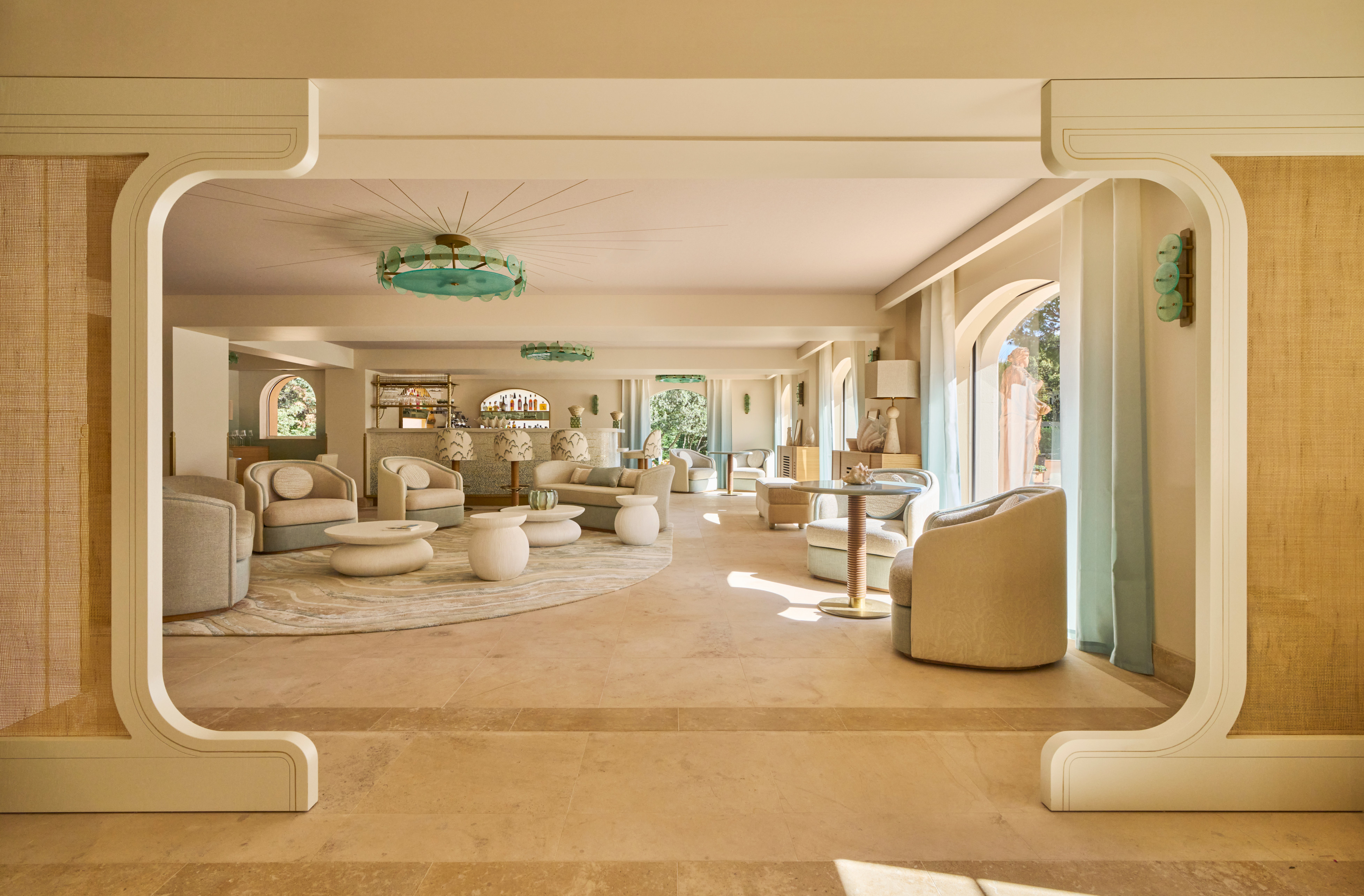
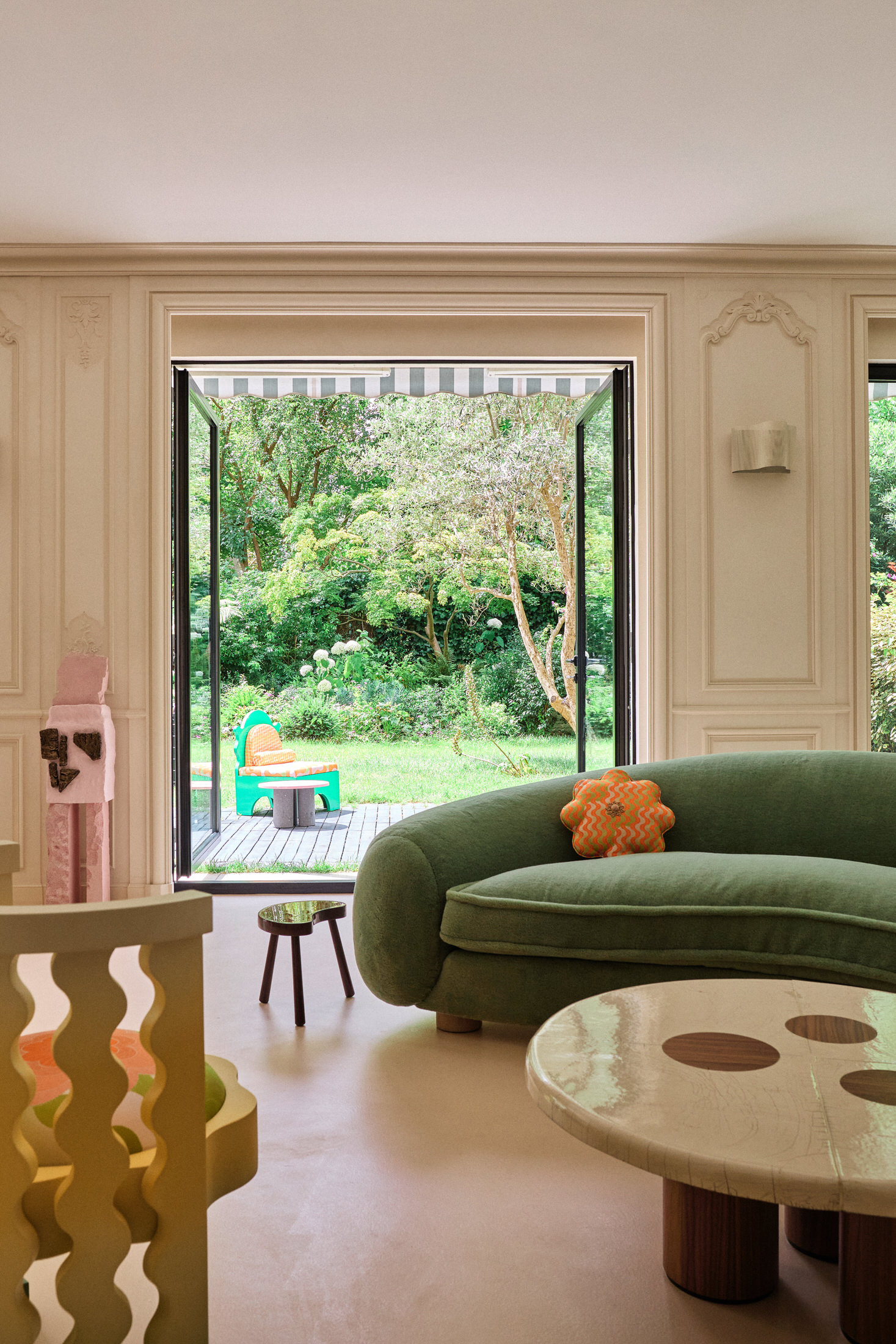
Boutique Hotel Lounge Interior Featuring A Spacious, Light-Filled Seating Area With Rounded Beige And Cream Sofas And Armchairs, Organic-Shaped White Coffee Tables, And A Large Neutral-Toned Rug. The Space Is Framed By Wide Arched Windows With Sheer Light-Blue Curtains, Allowing Abundant Natural Light. Architectural Details Include Art Deco–Inspired White Moldings, Green Glass Ceiling Chandeliers, And Matching Wall Sconces. The Beige Stone Flooring Enhances The Elegant, Sophisticated, And Relaxed Mediterranean Design Aesthetic.

Villa Miraé – A Masterpiece of Boutique Hotel Design

A refined escape on the Cap d’Antibes coast, where interior design, natural light, and artisan textiles come together in perfect boutique hotel design. Perched on the sun-soaked shores of Cap d’Antibes, Villa Miraé perfectly embodies the spirit of boutique hotel design. With its soft color palette, handcrafted details, and a seamless blend of indoor elegance and outdoor beauty, this boutique hotel exemplifies Mediterranean sophistication. The ambiance is rooted in the French Riviera lifestyle – elegant, breezy, and intimately connected to the natural world. From the olive trees in the garden to the marine-inspired art pieces inside, every element feels thoughtfully curated to inspire rest and refinement. Beyond architecture and interiors, Villa Miraé tells a story through materiality – woven textures, natural rugs, and soft lighting set the tone for a truly immersive boutique hotel design experience. Continue reading to explore the project. Formerly the Impérial Garoupe, the property has undergone a complete transformation under the creative direction of Oscar Lucien Ono. Now part of the prestigious Relais & Châteaux family, Villa Miraé invites guests into a world of calm, charm, and refined boutique hotel design. The architecture respects the natural surroundings, with a welcoming peach-toned facade, lush gardens, arched windows, and balconies adorned with red flowers. But it’s the interiors that elevate this escape into a true Riviera gem. Ono’s design philosophy is rooted in storytelling, and at Villa Miraé, every room, textile, and finish contributes to the boutique hotel’s narrative. A Palette Inspired by the Coast The hotel’s visual identity draws heavily from the natural environment. Think sandy creams, dusty blues, sage greens, and golden accents – colors that reflect the coastline just beyond the windows. Inside, guests are greeted by a hand-crafted botanical mural from Friul Mosaïque, which sets the tone for the property: serene, organic, and sophisticated. In the reception area, a plush Lelièvre rug anchors the space, surrounded by Popus woven armchairs and Nobilis-upholstered banquettes, all resting beneath a softly glowing gilded ceiling. These elements are more than decorative. They enhance the spatial experience by using texture and materiality to evoke a sense of calm and comfort, a key component of boutique hotel design. Embracing Boutique Hotel Design Through Texture What defines boutique hotel design is its tactile softness – the way light plays on linen curtains, the cool touch of stone underfoot, and the sense of airiness in even the most intimate corners. At Villa Miraé, Ono achieves this effect through a layering of natural materials and textile accents. One of the most essential elements in this hotel’s boutique hotel design, in terms of visual and sensory language, is the rug. From the hallways to the suites, rugs are used not only for comfort but also to define space and evoke emotion.  Carefully selected pieces – some custom-made, others sourced from French design houses – bring subtle elegance to each room. These rugs, often in neutral tones with soft patterns, reflect light and absorb sound, making every step quieter and more luxurious, just as boutique hotel design demands. In the guest rooms, light floods in through arched windows, casting gentle shadows on rattan chairs, mirrored walls, and fabric-covered ceilings. Underfoot, textured rugs in coastal hues add depth and warmth. It’s this attention to layered comfort that transforms the hotel from beautiful to unforgettable. Artistic Flourishes in Every Corner Ono’s interiors are filled with artisanal details that capture the essence of local craftsmanship. In the breakfast area, guests dine under a canopy of olive trees, surrounded by ceramic sconces from Maison Paradis and wall art by Antonin Lamotte. The space feels like a garden sanctuary, blurring the lines between inside and out. The hotel bar continues this narrative, with rich fabrics, warm woods, and sculptural lighting. A standout is the green ceiling fixture that glows like a canopy of leaves. Again, rugs and soft furnishings play a crucial role in defining the atmosphere, grounding the space while allowing the design to remain airy and open. Dining with Design in Mind Food plays a central role at Villa Miraé, where the ambiance is as refined as the cuisine curated by three-Michelin-starred chef Mauro Colagreco. At Amarines, a fine-dining venue inspired by the sea, marine motifs like wave frescoes, sea urchin lights, and ocean-hued rugs create a serene atmosphere. The terrace restaurant Miraé celebrates the sun with fresh, Mediterranean dishes, such as Puglian burrata and seasonal vegetables, served in a space enriched by natural fiber rugs and artisanal linens, reflecting a harmonious blend of flavor, design, and craftsmanship. Where Craft and Comfort Meet Perhaps what is most compelling about Villa Miraé is its ability to strike a balance between luxury and intimacy. While many Riviera properties lean into opulence, this hotel chooses elegant restraint. Every object feels considered, every fabric intentional. As interior lovers, we’re especially drawn to how rugs and textiles help tell the story. They don’t shout; they whisper. They guide the guest from one room to another, softening acoustics, adding warmth, and giving the design a visual rhythm.  Whether it’s a geometric runner in the corridor or a cloud-like area rug in the suite, each textile grounds the guest in place and evokes a sense of feeling. A Living Expression of Boutique Hotel Design In the words of Oscar Lucien Ono, “What moves me is creating places that tell a story – where one feels the imprint of the hand, the passage of time, and the presence of beauty.” Villa Miraé does precisely that. It doesn’t just look beautiful – it feels authentic. For designers, travelers, and lovers of well-made things, Villa Miraé is more than a destination. It’s a reminder that style and comfort can go hand in hand and that textiles – especially rugs – are essential tools in building that bridge. At Tapis Studio, we celebrate projects like Villa Miraé, where interior design isn’t just visual – it’s emotional. And where the timeless essence of boutique hotel design continues to inspire, one carefully woven thread at a time. Explore our curated collection of artisan rugs, inspired by the elegance and textures of destinations like Villa Miraé. Discover our collections and let your interiors tell their own story. Source: Galerie Magazine

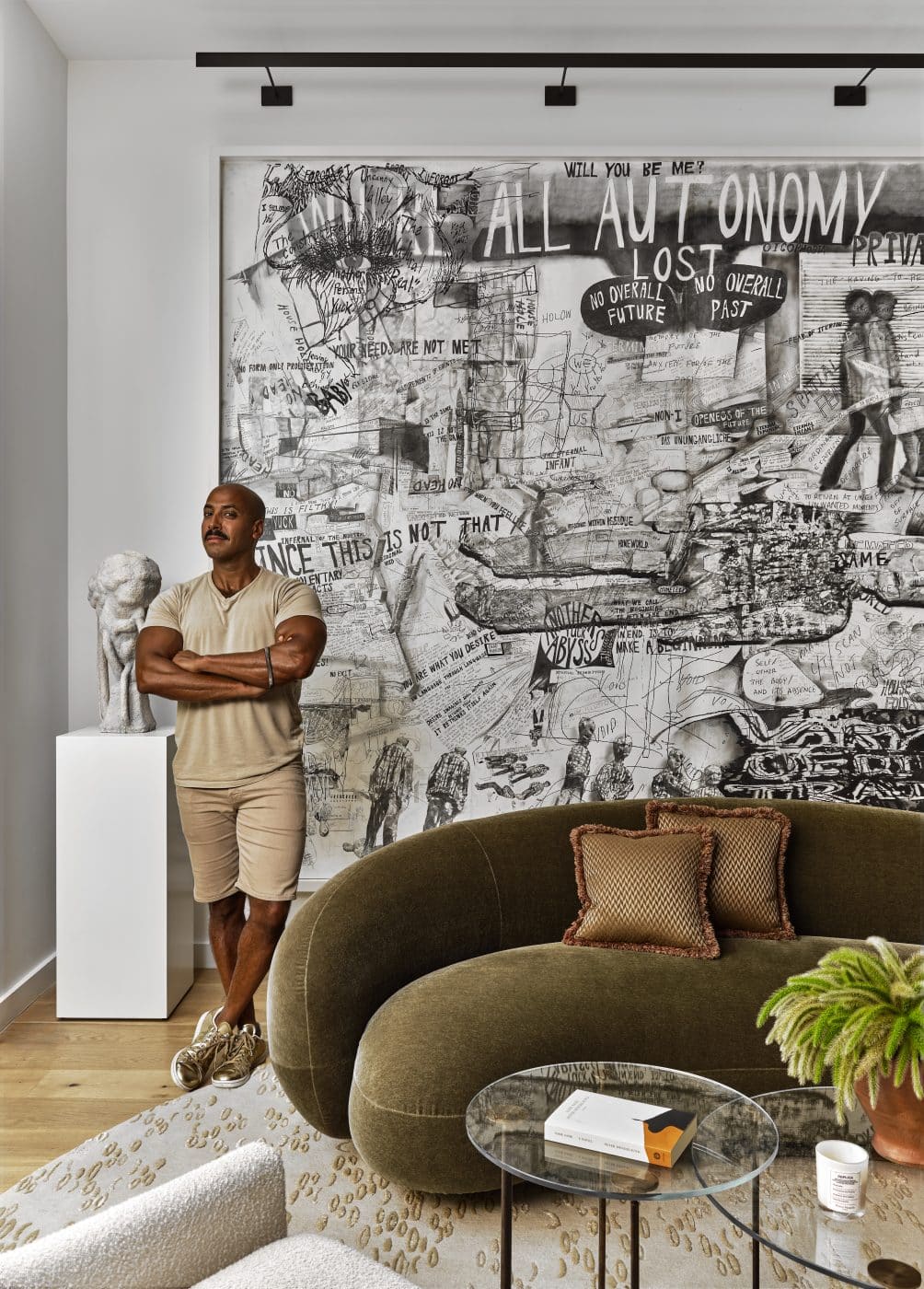
A Brooklyn Townhouse Transformed: Marc Houston’s Bold Vision, Living Room With Creative Art Work And Furniture

A Brooklyn Townhouse Transformed: Marc Houston’s Bold Vision

From White Box to Warmth: The Interior Journey of a Brooklyn Townhouse When interior designer Marc Houston first stepped into the newly constructed Brooklyn townhouse, he immediately recognized its potential. Tucked away in Boerum Hill, the six-story home boasted soaring ceilings and a flood of natural light. Still, its pristine, all-white interior lacks the character and warmth that make a house feel at home.  While the blank slate might have daunted some, Houston embraced it. The minimalist shell was the perfect foundation for creative transformation.  A Distinctive Take on a Brooklyn Townhouse  Faced with a fast-paced timeline, Houston was given just one month to turn the 4,200-square-foot space into a fully furnished, livable family home. Rather than altering the layout, he focused on layering texture, introducing rich materials, and designing custom built-ins that gave each space a sense of purpose and personality.  Every detail, from fabric choices to finishes, was selected to build an environment that felt both intentional and emotionally resonant.  Inside the Brooklyn Townhouse: Room by Room Living Room: Art Meets Architecture  At the heart of the Brooklyn townhouse is a striking living room anchored by a fireplace clad in gold-veined spider marble. It took weeks for Houston to source enough usable slabs, but the result is breathtaking.  Complementing the marble are sculptural furnishings: a curved Tacchini sofa, Atelier Purcell lounge chairs, and a circular Marc Phillips rug. A dramatic graphite artwork by Kaari Upson shares space with a plaster bust of poet Rabindranath Tagore by Goshka Macuga.  Dining Room: Elevated Rituals  In the dining room of the Brooklyn townhouse, drama and craftsmanship come together under a high ceiling. A captivating handmade light fixture commands attention from above—a sculptural piece created with carefully assembled reclaimed materials, giving it a sense of both movement and meaning. Beneath it, the custom dining table, crafted to resemble a monolithic altar, anchors the room with its raw, stone-like texture. The flooring, a wide-plank natural oak, adds warmth and quiet contrast, allowing the surrounding design elements to stand out. Layers of rich texture—from the cane and wood dining chairs to the subtle sheen of bronze hardware—create an inviting space that celebrates natural materials and intentional living.  Primary Bedroom: Textural Drama  The primary bedroom in this Brooklyn townhouse is a masterclass in moody sophistication and tactile richness. A plush, neutral-toned carpet grounds the space, adding softness underfoot and contrasting beautifully with the deeper tones throughout the room. Natural materials take center stage—from the slubbed linen wallcovering to the woodgrain floating nightstand and velvet-upholstered bed frame. The palette leans into earthy, smoky hues—charcoal, taupe, bronze, and muted gold—creating a cozy, cocoon-like atmosphere.  The dark espresso walls and chocolate-toned curtains heighten the sense of intimacy, while the tonal rug adds quiet elegance and depth. A sculptural black fireplace, wrapped in a hexagonal, textured surround, becomes a focal point, pairing drama with warmth. Overhead, a playful yet refined chandelier softens the ceiling, tying together the room’s curated layers and tactile storytelling.  Kids’ Bedroom: Kaleidoscopic Fun  For the older children, Houston went bold. The wallpaper—geometric and almost psychedelic—sets the tone, paired with vintage George Nakashima headboards and mustard-toned bedding. An Atelier Areti light fixture mirrors the shapes of the wallpaper, adding to the room’s visual rhythm.  Nursery: Calm and Imaginative  Designed with a focus on softness, the nursery is a serene retreat featuring gentle curves, warm tones, and natural materials. A palette of blush, sand, and terracotta sets a calming tone, with sunlight filtering through sheer drapery to enhance the tranquil atmosphere. The oversized velvet armchair in a soft rust hue anchors the space, inviting long, quiet moments. A sculptural crib in pale wood echoes the room’s organic sensibility, while the rounded mirror and pendant light add playful sophistication. Underfoot, a plush ivory rug adds texture and warmth, softening every step. Each element—from the curved child’s chair to the leafy potted plant—works in harmony to create a nurturing environment that feels both grounded and imaginative.  Indoor Play Area: A Whimsical Escape  In this Brooklyn townhouse, a simple stairwell landing is transformed into a magical indoor play area that sparks imagination. Grass-like carpet brings the feeling of the outdoors inside, while cloud-shaped light fixtures float gently above, creating a dreamy sky effect. Foam “boulders” by French designer S. Marin serve as both pillows, offering a playful yet comfortable spot to lounge or read. The use of natural materials and textures adds warmth and creativity to space. It’s a charming corner where kids and adults alike can unwind, explore, and let their imaginations run wild.  Rec Room: Cozy and Functional  In this Brooklyn townhouse, the rec room turns a windowless challenge into a moody design triumph. The black walls and matching upholstered sofas create an enveloping, cocoon-like atmosphere, while soft, neutral textiles add depth and comfort. A sculptural rug in muted tones grounds the space, subtly contrasting with the rich hues above. Layered textures—from wool throws to sleek millwork—are balanced, cozy, and refined. The poured concrete coffee table from local maker Opiary anchors the room with an artisan touch, tying together a mix of accessible finds and elevated design. Ideal for movie nights, cocktails, or overnight guests, this multifunctional space is both stylish and practical.  Home Office: Light, Shadow, and Style  Perched on the top floor of this Brooklyn townhouse, the home office blends sculptural elegance with smart functionality. Dark ebonized oak shelving and a built-in desk introduce dramatic contrast, accentuated by a bronze-tinted mirror that reflects light from the rooftop terraces on either end. The space balances sleek, modern lines with warm, tactile materials—such as the cognac-toned Bassam Fellows leather chaise and a finely woven paper-yarn rug from Finland. A striped palette underfoot softens the darker tones, grounding the room with a subtle texture. Thoughtfully curated objects and integrated lighting elevate the atmosphere, making this office both stylish and productive.  A Brooklyn Townhouse that Reflects the Family Within  Every corner of this Brooklyn townhouse has been transformed with intention. Whether it’s a cloud-themed playroom or a marble-framed fireplace, …

Read more

Uchronia Redefines Parisian Style: A Colorful Ode To Curves, Textiles &Amp; Shaped Rugs.

Uchronia’s Parisian Style: Bold Colors, Curves & Textiles

Inside Uchronia’s Vision: Sculptural Interiors and Expressive Details Paris-based design studio Uchronia has made a distinct mark on the interior design scene by reimagining classical Haussmannian apartments with an idiosyncratic flair that radiates playfulness and bold color. Their work on the Monceau Garden Apartment and Mozart Apartment reveals a richly imaginative approach that blends heritage architecture with avant-garde design. At the core of their transformation lies a layered narrative of sculptural shapes, artisanal textiles, and, especially, rugs that not only complement the interiors but also ground them both visually and emotionally.  From living rooms wrapped in waves to shaped kitchen counters and immersive color palettes, these interiors exemplify a contemporary evolution of Parisian style—one that’s unapologetically expressive, tactile, and immersive.  Entryway: An Invitation to Sculptural Drama   Walking into either apartment, the transformation begins immediately. The Mozart Apartment’s entryway greets visitors with undulating shapes and sweeping forms that mimic natural movements. Softly curved archways, organically shaped consoles, and lighting that mirrors oceanic rhythms immediately subvert the formality typical of classical Parisian style, offering instead a sense of fluid storytelling.  In the Monceau Garden Apartment, a more subdued palette—stone, beige, and soft green—recalls Paris’ iconic limestone façades. Yet, even here, subtle sculptural gestures and textile layering hint at the bolder interiors that follow.  Living Room: Curves in Command   Both apartments use the living room as a theatrical stage for Uchronia’s signature style. In Monceau, the space is wrapped in soft, neutral tones—beige, blush, and sage—establishing a peaceful base that celebrates texture over color. A standout feature is the Polar Bear sofa, its enveloping form adding a plush counterpoint to the room’s elegant serenity. A custom rug anchors the space, offering both visual rhythm and tactile depth.  In contrast, the Mozart Apartment’s living room is a kaleidoscope of saturated tones and playful juxtapositions. Here, Uchronia leans into vibrant rug designs that echo the waveforms in the seating and cabinetry. These rugs serve a dual purpose—defining space within the open-plan layout and reinforcing the dynamic motion central to the apartment’s aesthetic. From every angle, the living room reflects an exuberant, reimagined Parisian style that balances whimsy with sophistication.  Dining Area: Geometry Meets Glamour  In both homes, the dining areas showcase Uchronia’s flair for unconventional forms. The Mozart Apartment is particularly striking, featuring a custom-designed dining table in orange marble shaped like an elongated figure eight. The deliberate alignment of furniture and floor covering creates harmony through repetition—a core principle in modern Parisian style.  The Monceau dining space offers a more restrained take, with earthy tones and gentle lighting framing the room. The table and chairs remain elegantly understated, allowing materials and layout to take center stage.  Kitchen: Function Wrapped in Form   No area better demonstrates Uchronia‘s mastery of craft than the kitchens. In the Monceau Garden Apartment, lava stone countertops are not only highly functional but also feature a glazed wave pattern—a subtle echo of the rug motifs found elsewhere in the apartment. Curved cabinetry softens the room‘s geometry, creating a warm, approachable environment that invites touch and exploration.  The Mozart kitchen, meanwhile, is a celebration of color and sculptural detail. Duck-blue joinery contrasts boldly with brushed copper accents, while the cabinetry’s rounded fronts echo Uchronia’s affinity for organic forms. Built-in lighting subtly highlights the fluidity of the design, giving the space a dynamic, almost cinematic rhythm. This interplay of metal, wood, and lacquered surfaces reflects the studio’s signature balance of form and function, encapsulating the layered elegance of contemporary Parisian style without sacrificing practicality.  Bedroom: Tactile Calm & Artistic Contrast  In both bedrooms, Uchronia maintains a low volume while still preserving an artistic point of view. The Monceau bedroom is a masterclass in serene composition. Neutral tones and natural materials—such as linen, wool, and pale oak—create a restful palette. A generously sized rug in ivory with subtle wave motifs brings warmth to the feet and complements the cocoon-like atmosphere.  The Mozart bedroom is comparatively more daring. Red pillows, sculptural bedside lamps, and an unusual, peanut-shaped bench bring a playful note to the space. The rug, again a centerpiece, features bold color transitions and an undulating edge, echoing the architectural curves found throughout the home. This room is a reminder that even in private spaces, Parisian style can be joyful and unexpected.  Kids’ Room: Imaginative Foundations  In Uchronia’s interpretation of a children’s space, the balance between fantasy and functionality is exquisitely managed. The room is a playful blend of soft forms and vivid storytelling. A custom-designed bunk bed features scalloped edges and a mint-green ladder—both charming and approachable—offering a whimsical alternative to standard geometries.  Plush, zigzag-patterned pillows in citrus tones and a zebra-striped low lounge piece add vibrancy and textural variety, inviting rest, reading, or creative play.  Uchronia’s approach here is unmistakably rooted in Parisian style—elegant yet emotionally resonant, with an emphasis on tactile joy. The room feels like a living illustration, where each detail fosters imagination and encourages discovery.  Color, Shape & Textile Language  Across both projects, Uchronia uses:  Rugs, in particular, are foundational to each room. They frame activities, add visual interest, and echo architectural decisions in a tactile, grounded way.  Tapis-Studio’s Shaped Collection: The Perfect Match   A key highlight in complementing Uchronia’s interiors is the Shaped Collection by Tapis Studio. These rugs feature organically contoured silhouettes in vibrant and unexpected colorways, ranging from sunset oranges and peacock blues to gentle pastels and neutral earth tones. Crafted with attention to detail and bold artistic intent, they align beautifully with Uchronia‘s vision.  Whether used under a dining table or floating in a living room, Tapis Studio’s rugs emphasize movement and softness. Their hand-tufted surfaces offer rich texture, while the shapes themselves introduce play and dynamism. For anyone seeking to bring a piece of Parisian style into their own home, these rugs are the ideal starting point: art underfoot.  The New Parisian Style  Uchronia’s work on the Monceau Garden and Mozart Apartments represents a confident evolution of Parisian style—one that embraces heritage while boldly stepping into the future. Through sculptural forms, exuberant colors, and …

Read more

Transform Your Space With A Colorful Rug: Inspiration From The Rainbow House And Tapis Studio. Handmade Colorful Unique Shape Rug In A Spacious House.

Colorful Rug Inspiration from Tapis & Rainbow House

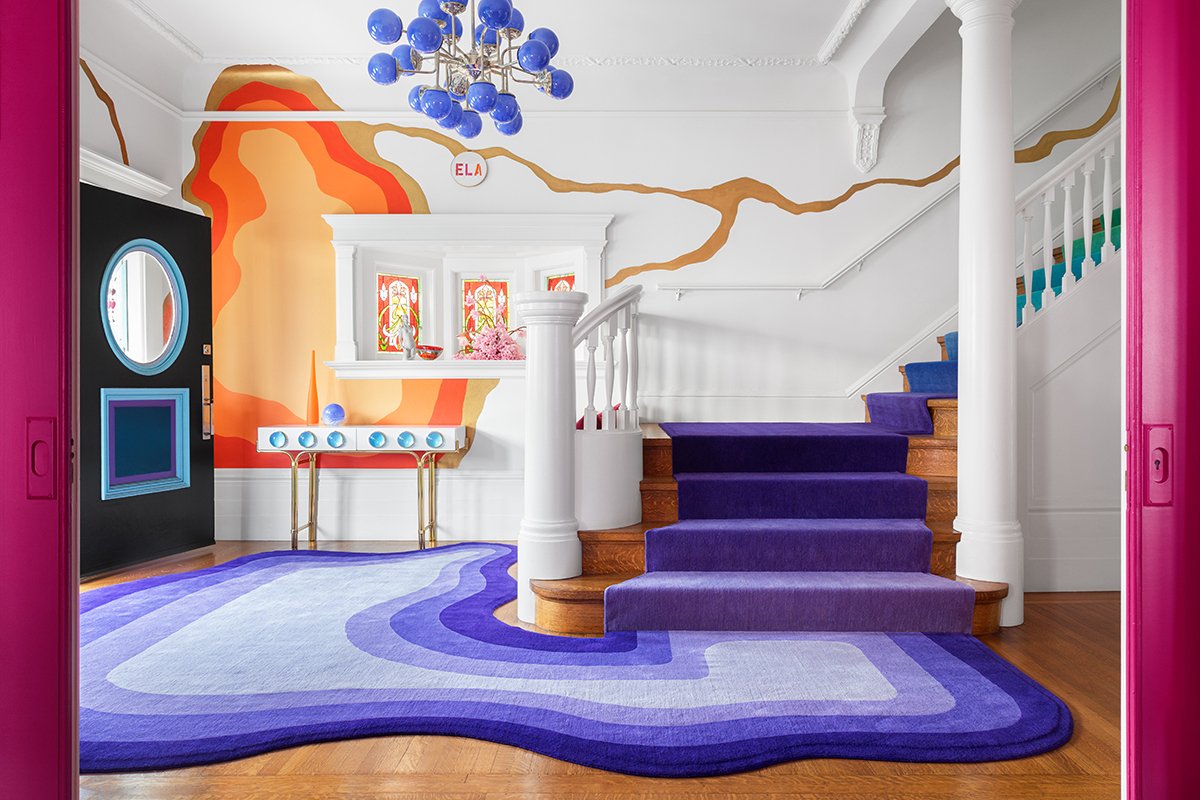
How a Colorful Rug Can Transform Your Space In a world filled with neutrals and minimalist aesthetics, bold design choices are making a vivid comeback. Enter the colorful rug—a statement piece that can redefine any room, infusing it with warmth, character, and energy. If you’re looking for a fresh take on vibrant interiors, the Rainbow House by Noz Design offers a masterclass in fearless color play. Paired with sophisticated, artistic options from Tapis Studio, a colorful rug isn’t just a trend—it’s a lifestyle choice.  Rainbow House: A Celebration of Color    Noz Design’s Rainbow House in San Francisco is a case study in bold, expressive, family-focused design. Created for a vibrant family of four, this Edwardian home underwent a dramatic, joyful transformation. Instead of neutral tones and restrained palettes, the home bursts with unapologetic color, creative pattern play, and one-of-a-kind textures—many of which are grounded by the strategic use of colorful rugs. Every room in the Rainbow House strikes a balance between bold hues and thoughtful design choices. From graphic patterns to handwoven textures, the rugs in this home add depth and dimension, enhancing the joyful palette rather than competing with it.  Entryway: A Welcome Like No Other  The home’s entrance sets the tone with a dynamic ombré stair runner that flows like a liquid rainbow down the central staircase. Below it, a colorful rug with pattern mirrors this cascading vibrancy. The entire foyer feels like an art installation—dramatic yet welcoming, bold yet harmonious. The use of a colorful rug here does more than decorate; it draws a clear line between the outside world and the expressive sanctuary within. Living Room: A Playground of Personality  Inside the living room, a pink blush envelopes the walls and furnishings in a warm, electric embrace. Plush seating, sculptural furniture, and layered textiles create a space that strikes a balance between aesthetic impact and everyday comfort. A textured, colorful rug grounds the room, enhancing the palette while softening the visual load. It’s proof that bold design can still feel livable—especially when kids are part of the household equation. Dining Area: Whimsy Meets Function  The dining room is a theatrical blend of sculptural form and fearless color. A custom S-shaped table anchors the space with playful elegance. Surrounded by burnt orange velvet chairs and set against walls and ceilings saturated in layered shades of blue with golden marbling, the room feels both regal and exuberant. Though there’s no colorful rug underfoot, the bold palette and dramatic contrasts do all the heavy lifting, proving that sometimes, color alone can ground a room just as effectively. It’s a vibrant stage for family meals, laughter, and everyday magic. Kitchen & Pantry: Function with Flair  The kitchen bursts with bold, joyful color—an orchestrated rainbow of cabinetry, roller shades, and pendant lights that define the space with clarity and cheer. A red island anchors the layout, while saturated blinds in every hue of the spectrum inject playful rhythm and light into the room. Though there’s no colorful rug underfoot, the clever use of color-blocking and clean lines offers all the visual interest and cohesion the space needs. The result is a kitchen that’s energizing, welcoming, and perfectly suited to the rhythm of a busy, creative family. Bathroom: The Smallest Room, the Boldest Impact  Even the bathroom is an artistic experience. Here, kaleidoscopic custom tiles take center stage, creating a lively rhythm beneath your feet. Paired with dramatic peacock-feather-inspired wallpaper and rich green cabinetry, this compact space becomes a maximalist jewel box. The vibrant tilework brings both color and character, transforming even the most functional room into a bold design statement. Tapis Studio: Elevating Rug Design into Art    For those inspired by Rainbow House‘s energy and eager to bring that into their own homes, Tapis Studio offers the perfect collection of colorful rugs that straddle the line between utility and artwork. Based in Portugal, Tapis creates vibrant, contemporary, and sustainably crafted rugs—ideal for design lovers seeking something beyond the ordinary. Each rug from Tapis feels like a curated statement. Whether you want deep magentas, organic curves, or bold geometrics, there’s a colorful rug to reflect your personal story. Top Picks from Tapis Studio    Here are some standout Tapis Studio designs that can elevate your space with a pop of personality:  1. Viva Magenta 23  Saturated in Pantone’s Color of the Year, this rug screams confidence and creativity. Ideal for living rooms or entryways, it mirrors the joy of Rainbow House‘s aesthetic. 2. Viva Magenta 10  For a more fluid and abstract interpretation of magenta, this rug offers flowing shapes and soft curves that mimic movement and energy. This colorful rug is ideal for creative spaces, such as studios or eclectic lounges, where form and color harmonize to spark inspiration.  3. Tapis Retro 1  Drawing inspiration from the geometric forms of mid-century modern design, the piece features bold lines, soft curves, and a harmonious mix of warm and cool tones. This colorful rug works beautifully in contemporary spaces, adding visual interest without overpowering décor.  4. Tapis Essential 8  For those who crave a subtle yet confident touch of color, the Essential 08 rug strikes the perfect balance. With its soothing cool tones and soft geometry, this colorful rug introduces depth without overwhelming the space. Ideal for contemporary interiors—from minimalist to mid-century inspired—it brings a sense of calm sophistication while still making a design-forward statement. 5. Tapis Shaped 5  This asymmetrical rug is designed like a modern art piece, with a dynamic shape and color blocks that catch the eye. Ideal for creative offices, art studios, or gallery-like living rooms, Shaped 05 proves that a colorful rug can be both functional and avant-garde.  6. Tapis Shaped 55  With deep curves and saturated contrasts, it plays with space and perspective. This colorful rug is a bold choice for minimalist interiors that need a touch of drama or maximalist rooms that embrace dynamic design.  Why a Colorful Rug Is More Than a Trend  Post-pandemic life has reshaped our perspective on our homes. They’re not just …

Read more

Art Deco Rugs In The Living Room Of A Parisian Apartment

Parisian Gem: Art Deco Rugs and Primitive Style in Harmony

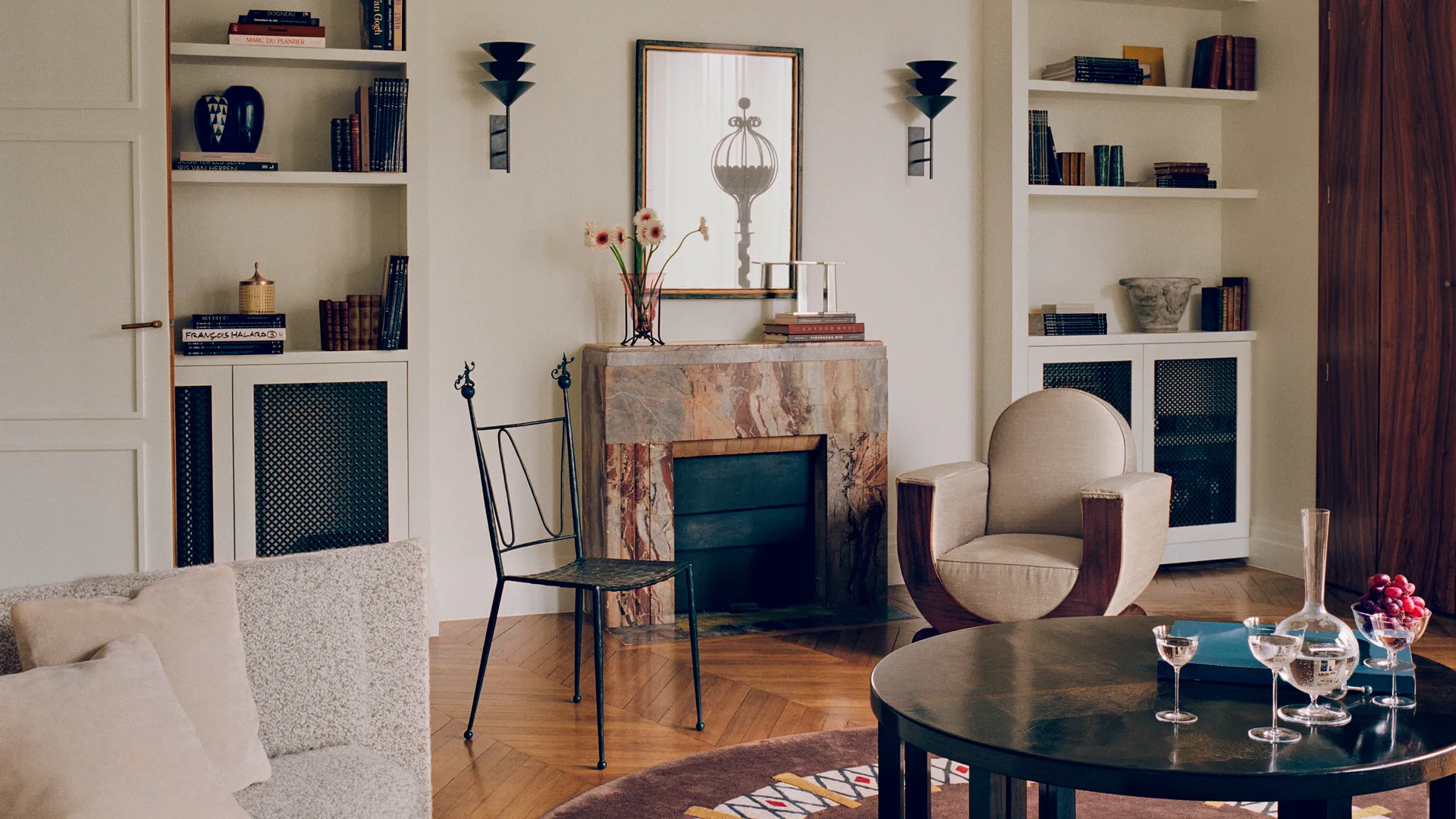
Inside a Historic Apartment Where Rugs Tell a Story of Elegance and Origins In the heart of Paris’s Left Bank, where Haussmann-era buildings line the elegant boulevards, and the Eiffel Tower looms nearby, a remarkable transformation has taken place. One historic apartment—once a timeworn shell of its Art Deco past—has been revived with reverence and flair. More than just a renovation, it’s a layered curation of history, texture, and tone. Central to this revival? The thoughtful use of Art Deco Rugs and primitive-style rugs act not only as decor but as storytellers of culture and heritage.  A Design Language Rooted in Time  This Parisian residence hadn’t been updated in decades. The layout remained true to its 1930s bones, but time had dulled its vibrancy. Instead of gutting it completely, the homeowners enlisted the designer Romain Chancel devoted to breathing new life into the space while honoring its soul. Art Deco detailing—mirrored fireplaces, brass fittings, and lacquered paneling—was restored or respectfully replicated.  Amid these gleaming period touches, the designer introduced an essential layer: rugs, but not just any rugs—Art Deco Rugs that echoed the apartment’s original spirit and primitive style rugs that connected the home to more ancient, universal motifs.  The Role of Art Deco Rugs in Parisian Interiors   The 1920s and 1930s were a golden age of design, and Art Deco was its defining language. Known for symmetry, geometry, and luxurious materials, Art Deco found expression not only in architecture but also in textiles—especially rugs.  In this apartment, Art Deco Rugs are used masterfully to zone spaces and anchor furniture. In the living room, a bold, circular rug with overlapping triangles and curved lines plays with the symmetry of the ceiling moldings above. In the dining area, a soft-toned rectangular rug with golden threads mirrors the brass light fixtures that hang overhead. The patterns are timeless but never overpowering.  What makes Art Deco Rugs so compelling is their ability to elevate a room. Their structure and elegance offer a visual discipline that complements both vintage and contemporary furnishings. In this case, they also bridge old Paris with global influences—because right next to the Art Deco pieces are primitive-style accents that add soul and spontaneity.  Primitive Rug Style: Raw, Honest, and Timeless  While Art Deco Rugs introduce structure and polish, primitive rug designs bring warmth, emotion, and raw texture. Rooted in tribal and folk traditions, primitive rugs feature irregular patterns, earthy palettes, and handwoven imperfections that speak to their authenticity.  In the main bedroom of this Parisian home, a large, nubby rug in faded ochres lies beneath a sleek Art Deco bedframe. Its irregular diamonds tell a different story—one of the ancient hands weaving memories into the fabric. Unlike mass-produced textiles, these rugs don’t shout; they whisper of places and people.  The designer is increasingly embracing this layered look. Primitive rugs bring a sense of balance to refined interiors. When paired with the structured beauty of Art Deco Rugs, they create a visual dialogue that feels both curated and lived-in.  Why the Right Rug Matters in a Historic Space  Rugs in this Parisian apartment are not afterthoughts—they are foundational design elements. They define zones in the open layout, guide the eye through transitions, and contribute significantly to the mood of each room.  Art Deco Rugs offer a visual rhythm characterized by strong borders, symmetrical shapes, and bold contrasts. Their presence reflects the apartment’s architectural symmetry. Meanwhile, primitive rugs soften the space, adding an organic counterpoint to the precision of the Art Deco style.  The blend is intentional. It suggests a global citizen’s mindset—someone who collects stories and styles from around the world but knows how to make them work within a strong design framework. And in a city like Paris, where past and present collide so effortlessly, this approach feels especially appropriate.  Curating the Perfect Balance  To successfully combine Art Deco Rugs with primitive rug styles, balance is key:  In the Parisian apartment, the designer chose rugs not as isolated accessories but as characters in the overall narrative. Each one contributes to the story of transformation—from a historic shell to a soulful home.  Timeless Yet Trend-Forward  The renewed interest in both Art Deco Rugs and primitive rug design reflects a broader trend in interior design: the desire for timelessness with a twist. People are moving away from overly minimalist or fast-fashion interiors. Instead, they want meaning. They want heritage. They want pieces that say something.  This apartment exemplifies that movement. By choosing rugs that are both decorative and narrative-rich, the space becomes more than just a home—it becomes a canvas of design history, technique, and emotion.  A Rug-Rooted Revival  In today’s world of mass-produced everything, there’s something deeply comforting about a home that celebrates craftsmanship, culture, and history. This Parisian apartment—revived with reverence and layered with intention—is a model for how to do just that.  Art Deco Rugs bring structure and elegance. Primitive rugs offer texture and soul. Together, they form a rich tapestry of contrasts that honor both the grandeur of the past and the raw beauty of tradition.  Whether you’re renovating a century-old apartment or simply looking to refresh a modern space, the lesson is clear: Start from the ground up. Let your rugs do the talking.  Art Deco Revival with Contemporary Elegance At TAPIS Studio, the spirit of Art Deco is not just preserved—it’s reimagined. The collection of rugs celebrates the iconic hallmarks of the movement: geometric precision, luxurious materials, and bold yet balanced aesthetics. Each rug is a statement piece, echoing the glamour and modernism of 1920s design while bringing a fresh relevance to contemporary interiors. Whether used to elevate a historic Parisian apartment or to add architectural sophistication to a modern space, TAPIS Studio’s rugs capture the essence of Art Deco—refined elegance, symmetry, and timeless appeal. Explore the collection to find a carpet that not only defines your room‘s layout but reflects a legacy of design innovation and decorative beauty. Source: AD

Custom Rugs Bring Personality And Balance To A Modernist Silicon Valley Home. Modern-Style House Nestled In Lush Greenery, Surrounded By Trees And Natural Landscape

Custom Rugs Balance a Modernist Silicon Valley Home

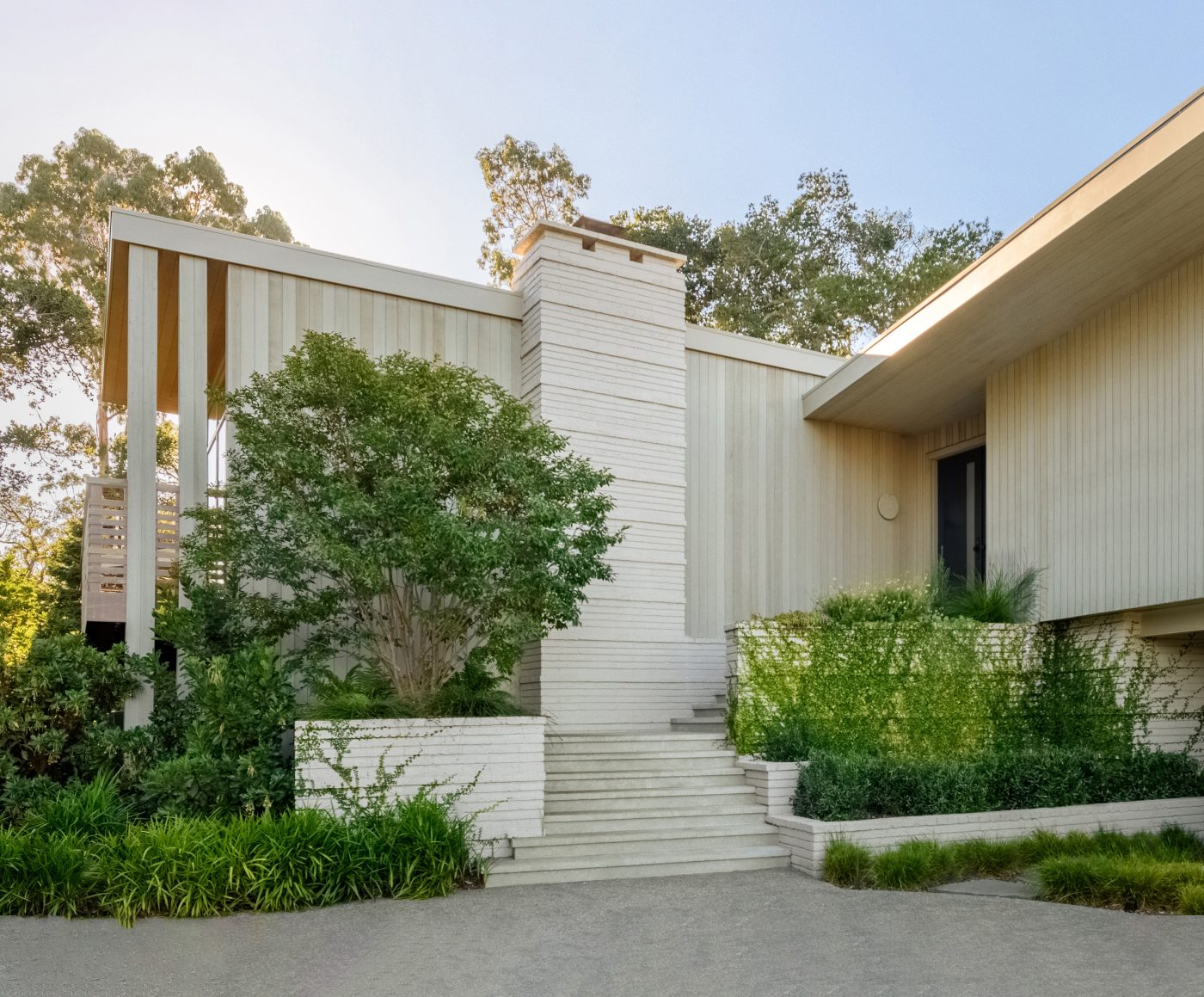
Elevating Modernism With Warmth, Texture, And Bespoke Detail Of Custom Rugs.  Design firm Studio Ahead – founded by Elena Dendiberia and Homan Rajai – was tasked with transforming a mid-century modern home into a harmonious reflection of its dual-personality owners: a modernist, yacht-loving East Coast husband and a nature-centered, meditation-practicing Venezuelan-born, Southern California–bred wife. Their creative process involved not just architecture and furniture, but intimate touches like custom rugs that helped anchor and define the space.  Bridging Personalities Through Design  When Dendiberia and Rajai first stepped into the home – a low-slung, single-story structure nestled among oaks with views stretching to the San Francisco Bay – they saw opportunity in contrast.  The husband favored clean lines and hard materials, rooted in modernist tradition. The wife brought a softer energy, attuned to natural textures and organic forms. The challenge was to balance these contrasting aesthetics without sacrificing authenticity.  The result? A deeply personal space that feels both grounded and ethereal, with custom rugs playing a quiet but crucial role in this transformation.  Why Custom Rugs Were Key To The Transformation  Custom rugs are more than just a floor covering. A tactile layer of personality, intention, and craftsmanship ties together a room’s function and aesthetic. In this Silicon Valley home, rugs became the interiors’ literal and figurative foundation. Here’s why custom rugs were the perfect fit:  1. Tailored To The Space  Each room in the home was a study in spatial harmony, and a custom rug was essential in achieving scale and proportion. From anchoring the main living room’s cocoon-like seating area to defining transitions between open-plan zones, every carpet was designed to fit perfectly, with no compromises.  2. Balancing Textures And Energies  Nestled in a serene oak grove, the living room masterfully blends softness with structure. A custom curved sectional anchors the space, wrapped in textured upholstery that echoes the warmth of the floor-to-ceiling beige wool curtains. At its center, a sculptural Christian Liaigre coffee table adds quiet sophistication, while the plush, custom wool rug beneath mirrors the room’s neutral palette with subtle depth. The harmonious contrast between tactile softness and architectural elements, such as the clean-lined built-ins and layered artwork, creates a space that feels both grounded and gracefully refined. 3. Celebrating Craft And Local Artistry  Studio Ahead is known for celebrating Northern California artisans; that ethos extended to their rug choices. The rugs were often handcrafted using natural materials like wool and jute, some woven by local makers or sourced from studios prioritizing sustainability and slow design. These one-of-a-kind pieces served as a bridge between the home’s modern bones and the organic sensibility of its inhabitants.  The Living Room: Cocooned In Calm  The best expression of custom design is found in the living room. The walls and windows are wrapped in warm, woolen textures, creating a cocoon-like effect beneath the iconic Mario Bellini leather chairs and Christian Liaigre coffee table. A custom rug grounds the room with understated elegance.  A felt sculpture by Masako Miki and a platter by Peter Voulkos echo the rug’s soft curves and natural materials, amplifying the dialogue between furniture and art. It’s here, floating in this forested canopy, that the rug does its quiet work—inviting you to sit, stay, and be enveloped.  What To Consider When Choosing A Custom Rug  Whether furnishing a mid-century masterpiece or a downtown condo, a custom rug is one of the most impactful design choices. Here’s what to think about:  • Material  The choice of material affects how the rug feels and performs, from the plush luxury of silk to the durability of wool and the eco-friendliness of jute or sisal.  • Size  Don’t just “make do” with standard sizes. A custom rug allows you to scale your design exactly, ensuring the carpet aligns with furniture placement and room dimensions.  • Color And Pattern  Color is where personal expression shines. Do you want your rug to be a subtle backdrop or a bold statement? Whether inspired by the wife’s mindfulness or the husband’s affinity for minimalism, each rug in the home captured mood and identity.  • Weaving Technique  The home features various textures, from hand-knotted showpieces in high-traffic areas to soft tufted rugs in the bedroom. Each technique was selected to balance function and artistry.  Extending The Custom Touch Beyond The Living Room  Bedroom Sanctuary  The beauty of neutral rug In the primary suite, a mossy beige velvet-upholstered bed floats beneath a surreal Gordon Onslow Ford painting. The surrounding space is grounded by a custom rug that evokes the quiet serenity of a meditation retreat while subtly referencing the efficient, space-conscious interiors of a yacht. Entryways And Hallways  Even transitional spaces weren’t overlooked. A runner-style custom rug lined a hallway, guiding the eye and foot through the home while introducing a hint of texture underfoot.  Styles Of Custom Rugs Used In The Home  The home incorporated a wide range of styles that reflect the eclectic personalities of the owners:  The Enduring Value Of Custom Rugs  In this Silicon Valley home, custom rugs are not an accessory – it’s a co-creator of atmosphere. It provides grounding, guides flow, and most importantly, tells a story. Whether capturing the unconscious like the surrealist painting in the bedroom or honoring nature through felted forms and woolen layers, each rug contributes to a whole greater than the sum of its parts.   Studio Ahead’s vision – merging yin and yang, East and West, hard lines and soft textures – is made real through the subtle power of personalization.  Final Thoughts  As you consider furnishing your space, remember: custom rugs are your canvas. It can reflect who you are, how you live, and what you value. In an age of mass production, choosing to design your rug is a statement of care, craftsmanship, and individuality.  In this modernist home among the oaks, the rugs do more than soften the floor – they ground the spirit. At TAPIS Studio, we believe that a custom rug is more than a design element—it’s a statement of identity and …

Read more

Paris Apartment

Stunning Paris Apartment Becomes Artistic Sanctuary

Explore this Paris Apartment redesigned with bold color, texture, and modern elegance. Step into a Paris apartment where every corner tells a story of bold creativity, refined craftsmanship, and luxurious comfort. In this vibrant 2,475-square-foot residence located in the heart of Paris, interior designer Anne-Sophie Pailleret has orchestrated a striking transformation. Originally marked by a dated layout and low ceilings, the apartment is now an open, light-filled sanctuary that feels both intimate and expansive. What makes this Paris apartment project stand out is not just its architectural reconfiguration or curated art collection, but the way textiles—especially rugs—play a central role in shaping the visual and emotional tone of each room. Let’s explore how Pailleret’s vision brought this apartment to life, layer by layer. Opening the Space: A Structural and Spatial Rebirth The Paris apartment, perched atop a 1980s building, offered potential but required a fundamental redesign. Its original layout was segmented and confining, lacking the fluidity expected in modern living. Pailleret reimagined the apartment by removing non-load-bearing walls and adjusting ceiling heights to create openness and flow. The result is a dynamic layout where spaces interact organically. The living room flows effortlessly into the kitchen and dining area, while the family room and bedrooms feel like serene extensions of the public areas. Light, both natural and artificial, now moves freely through the Paris apartment, accentuating each room’s design features—including the luxurious textiles underfoot. Layered Textures and a Lively Palette A hallmark of Pailleret’s style is her fearless use of materials and textures. In this apartment, she layers stone, lacquer, metal, velvet, and wood with effortless balance. But it’s the use of rugs—bold, sculptural, and richly textured—that unifies these diverse elements and brings warmth to every corner. In the living room, a sculptural rug by Codimat Collection features curved forms that echo the custom rounded floor lamps and curved sofas. Its organic shape softens the linear geometry of the Paris apartment’s architecture and creates a grounded space for conversation and relaxation. With soft tones that play well against the more saturated wall finishes and gold accents, the rug establishes both a functional and emotional foundation for the room. Art and Atmosphere: A Dialogue Between Pieces Art plays a significant role throughout the apartment. Works by Jeppe Hein, including a playful balloon sculpture, and evocative photographs by Marilyn Minter infuse the home with narrative and edge. These pieces are not treated as accessories but as central characters in the story of this Paris apartment. The rugs, in turn, are carefully chosen to support these bold statements. Rather than competing with the artwork, they enhance the experience by providing a rich, textured base. In rooms where the art is visually intense, the rugs are more neutral in tone, allowing the artwork to shine. In quieter areas of the apartment, rugs are more expressive, becoming focal points themselves. The Kitchen and Dining Experience: Function with Flair The kitchen of the apartment, outfitted with sleek cabinetry and high-end finishes, balances functionality with aesthetic intent. Here, Pailleret introduces bold design choices—such as high-contrast surfaces and contemporary lighting fixtures—that harmonize with the rest of the Paris apartment. The dining area is defined by a custom rug that adds cohesion and softness underfoot. In a space where materials like stone and lacquer dominate, the rug introduces warmth and intimacy, helping to transform the dining experience into something inviting and comfortable. Its geometric pattern reflects the designer’s ability to tie architecture and furniture together through textile design—a defining trait of this Paris apartment. A Family Room with a Pulse The family room serves as a relaxed, multifunctional space, yet it carries the same elegance found throughout the Paris apartment. Richly colored walls, plush seating, and an eye-catching rug create a mood that is both cozy and artistic. Here, the rug is especially integral—it becomes a visual anchor that sets the tone for the entire room. Its color palette mirrors the deeper hues of the artwork and furnishings, while its texture encourages lounging and barefoot comfort. This layering of luxury and casual design reflects Pailleret’s unique ability to create environments in this Paris apartment that are both sophisticated and lived-in. The Private Quarters: Bedrooms That Breathe Calm Each of the bedrooms in the Paris apartment offers a different interpretation of softness and tranquility. Color palettes range from gentle creams to blush tones, with bedding and furniture tailored to each room’s personality. Lighting is subtle and atmospheric, designed to promote rest and calm. Again, rugs take center stage in defining the experience. Rather than relying on uniformity, Pailleret selected different rugs for each bedroom—each with its own color, pattern, and feel. One room might feature a minimalist wool rug with slight tonal variations, while another might include a rug with bold geometry that energizes the space. In every case, the rug is not just a decorative element, but an essential part of the Paris apartment’s emotional architecture. Bathrooms as Personal Sanctuaries Even in the bathrooms, design and comfort go hand in hand. Luxurious materials—marble, brushed metal, high-gloss cabinetry—are paired with underfoot comfort in the form of thick, plush rugs. Though the bathrooms are smaller in scale, they reflect the same design rigor seen throughout the Paris apartment, with attention to how each space feels to inhabit. These carefully chosen rugs offer softness in contrast to the hard surfaces, making even utilitarian spaces in the Paris apartment feel warm and welcoming. The Rooftop Terrace: An Urban Escape The rooftop terrace of the Paris apartment offers a final exhale—a quiet space above the bustle of Paris, with a full view of the Eiffel Tower. Outfitted with woven furniture and upholstered cushions in dynamic Dedar fabrics, the terrace feels like an extension of the Paris apartment’s design story. Though open to the sky, the space is also anchored by tactile comfort. Outdoor-friendly rugs, subtle in color but rich in texture, give the space a finished feel and invite barefoot lounging, even outside. It’s a testament to Pailleret’s commitment to designing the Paris apartment …

Read more

Dopamine Decor.

Colorful Rugs That Spark Joy: The Dopamine Decor Trend

Brighten your space with dopamine decor rugs that uplift your mood and style. Explore joyful interiors with help from TAPIS Studio’s latest designs. Our homes have evolved beyond mere functional spaces; they now reflect our personalities, ever-changing moods, and unique creative expressions. Recognizing the growing importance of emotional well-being within our personal spaces, a bold and optimistic design philosophy has emerged: dopamine decor. This feel-good trend centers on using vibrant color, engaging texture, and playful design elements to elevate a room’s mood and atmosphere. From walls painted in a spectrum of joyful hues to an artful arrangement of mismatched furniture, dopamine decor thrives on the principles of uninhibited creativity and the freedom to express personal style. Within this dynamic movement, often overlooked rugs are stepping forward as crucial players in crafting vibrant and mood-boosting interiors. Understanding Dopamine Decor: Designing for Joy The term “dopamine decor” derives from dopamine, a key neurotransmitter in the brain associated with feelings of pleasure, motivation, and reward. The core idea behind this style is simple yet powerful: surround yourself with items that genuinely spark happiness. This could involve incorporating favorite colors, embracing nostalgic patterns, or indulging in tactile textures that bring immediate joy. Unlike the restraint of minimalist or neutral aesthetics, dopamine decor encourages boldness, maximalism, and an unfiltered expression of personal taste. In dopamine decor’s vibrant world, bright pinks, energetic oranges, sunny yellows, and refreshing aquas are frequently embraced. However, the essence of this style extends beyond just color; it’s about the emotional interaction between various design elements. Imagine a funky rug beneath a neon-accented table or a captivating mix of patterns and textures that create a cohesive and stimulating environment. The ultimate aim of dopamine decor is to create spaces that instantly evoke a sense of joy and well-being. The Central Role of Rugs in Dopamine Decor In any interior design scheme, rugs play a significant role—grounding the space, providing a visual anchor, and adding warmth and texture. However, in the context of dopamine decor, rugs take on an even more prominent role. They are not merely background elements; they become key focal points that drive the energetic and joyful feel of the room. Rugs in this particular decor are far from subtle. They often feature unexpected shapes, intentionally clashing colors, bold, eye-catching graphics, and invitingly deep piles. Their textures are designed to be touched and experienced—think shaggy wool, playful tufts, and layered surfaces. Their colors are unapologetically vibrant—imagine the boldness of cherry reds, the sweetness of bubblegum pinks, and the cheerfulness of lemon yellows. These rugs embody the very essence of dopamine decor: to spark an immediate emotional response and uplift the mood of the space. How Rugs Influence Our Mood The field of color psychology has shown that specific tones can significantly impact our emotional state. A rug in a bright yellow can inject energy and optimism into a room. A soft, blush-toned shag rug can evoke feelings of comfort and tranquility. Rugs with vibrant multicolor patterns can introduce excitement and a sense of childlike joy. Since rugs often anchor a room, they are crucial in setting the atmosphere. In this decor, this makes them central to the design. Choosing the right carpet directly influences how the entire room feels—fun and playful, cozy and inviting, or energizing and stimulating. Design Strategies: Incorporating Rugs in Dopamine Decor Rugs for Every Room in a Dopamine Decor Style TAPIS Studio: Perfecting the Dopamine Decor Rug For those embracing the dopamine decor trend, TAPIS Studio offers a fantastic selection of rugs that make a statement. Known for their innovative and bold designs, TAPIS Studio’s collections embrace color and texture, essential elements of dopamine. Their Tapis Shaped Series, for example, features rugs with unique, irregular shapes and stunning color combinations. Tapis Rugs combine nostalgic colors with a modern twist, perfectly embodying the spirit of decor dopamine. TAPIS Studio‘s rugs provide an excellent starting point for creating a joyful and vibrant home. Embracing Joyful Living with Dopamine Decor Rugs In dopamine, rugs are more than just floor coverings; they catalyze joy. They shape our spaces‘ emotional and visual feel, helping us transform our homes into reflections of our most vibrant selves. If you’re ready to embrace this trend and bring more joy into your home, explore the world of colorful and expressive rugs and let your floor be the foundation of your happiest space. Sources: PORTER

Manhattan House.

Designing Manhattan House Style with Layers and Rugs

Discover how Justin Charette elevates the Manhattan house aesthetic with bold interiors and richly layered rugs. Discover how TAPIS Studio completes the look. Manhattan is synonymous with high design and urban sophistication. Nestled among its storied buildings, one design approach is standing out—layered, artistic, and intentionally grounded with statement rugs. Interior designer Justin Charette is a name at the forefront of this transformation, infusing personality into every Manhattan house he touches. From luxe apartments to personal retreats, Charette’s interiors prove that a Manhattan house can be both elegant and livable. Using bold contrasts and strategic textures—especially rugs—he defines rooms with balance and rhythm. His work is not just about visual appeal; it’s about how spaces feel beneath your feet and in your soul. A Manhattan House with a Rug-Rooted Soul In a vibrant Gramercy Park apartment, Charette reimagined a classic Manhattan house to reflect his client’s artistic and layered lifestyle. A modern cream-colored sofa anchors the living room atop a textured rug that blends muted reds and blues. The carpet, far from a simple accessory, was the first piece chosen—it set the tone for every color and pattern in the room. The walls are adorned with striking works by California-based artist America Martin, yet it’s the rug beneath that grounds the room. “Every Manhattan house needs a piece that brings it all together,” says Charette. “For me, that’s often a rug. It’s not just a detail; it’s the story’s foundation.” His focus on rugs is no accident. Rugs provide the bridge between luxury and comfort, and in a Manhattan house where space is precious, they act as both visual dividers and sensory enrichers. From the soft underfoot texture in the bedroom to the detailed geometric patterns in the dining space, every rug plays a defined role. Bold Moves: Color and Craft One of Charette’s boldest Manhattan house designs is a duplex that experiments with deep greens, charcoals, and golds. The living area features a richly patterned rug that echoes motifs from abstract wall art and helps define the conversation area within the open floor plan. Charette’s layering doesn’t stop at color—it moves through texture and craft. Vintage Moroccan rugs mix with contemporary silk-wool blends, proving that a Manhattan house doesn’t need to follow any single style rule. What matters is harmony. “The rug becomes the translator,” Charette notes. “It brings together the antique chest and the ultra-modern lighting.” In one room, a neutral-toned rug with subtle stripes provides a calm backdrop under a vibrant sofa. In another, a bold black-and-white hand-knotted rug provides dynamic energy beneath a glass coffee table. Every design choice is intentional, and rugs are always at the core. Bellport: A Retreat Still Rooted in Rug Layers While his Bellport, Long Island, retreat isn’t technically a Manhattan house, it echoes many of the same design principles. The space is monochromatic and minimalist, a stark contrast to his vibrant city projects. Yet even here, rugs are central. Each room in Bellport features a rug—often in deep grays or blacks—that adds depth without distracting from the home’s clean lines. The feature is a plush charcoal rug beneath a pair of tufted leather sofas, providing a visual warmth that softens the dark palette. “Even in monochrome, texture is key,” says Charette. “And rugs are how you bring tactile emotion to a minimalist space.” Whether it’s a Manhattan house or a weekend escape, Charette’s use of rugs is deliberate and transformative. Client Collaboration and the Rug First Approach Charette is known for being both a creative visionary and a collaborative listener. However, once he takes the reins, rugs are often his starting point. “I usually begin with the rug and work my way up,” he explains. “It gives the project a center of gravity.” In one recent Manhattan house, a large hand-tufted wool rug with painterly strokes of teal and ochre inspired the entire interior palette. The homeowner, initially skeptical, soon found that the carpet not only grounded the space but informed every decision that followed—from curtain fabric to artwork. This rug-first approach allows Charette to guide clients through choices with a visual and tactile anchor. And in a fast-paced city like New York, where home is a retreat, rugs offer the grounding presence people crave. Why Rugs Matter in Every Manhattan House What makes rugs so essential to a Manhattan house? Charette believes it’s their duality—they’re art and function, texture and tone, history and now. In a space where hardwood floors and sleek finishes dominate, a rug offers softness and intimacy. Moreover, Manhattan houses often share walls and ceiling space, resulting in noise. A high-quality rug absorbs sound, creating a quieter, more serene environment. Charette usually selects rugs not only for their design but also for their acoustic properties. In one Upper West Side apartment, a densely knotted Persian rug reduced ambient sound by over 40%, transforming the atmosphere from echoey to cocooned. “You don’t just see the difference,” Charette says. “You feel it.” Rugs That Finish the Story: TAPIS Studio When it comes to sourcing the perfect rugs, Charette often turns to high-end ateliers that match his dedication to detail. One standout in his arsenal is TAPIS Studio. Known for their unique designs and commitment to craftsmanship, TAPIS Studio rugs bring depth and artistry to every room they inhabit. Whether it’s a bold geometric pattern or a soft, tonal gradient, TAPIS Studio offers rugs that fit seamlessly into a Manhattan house design. Their collections are curated not just for style but for emotional resonance—something Charette deeply values. In a recent project, Charette selected a TAPIS Studio rug with overlapping abstract shapes in warm, earthy tones. It anchored a large open-concept living room and subtly echoed the forms found in surrounding sculptures and furniture. The result was not just visually stunning but also holistically harmonious. TAPIS Studio rugs don’t just complement Charette’s vision—they elevate it. In a Manhattan house, where every square inch matters, having a rug that tells a story is priceless. Grounded in Style: Complete Your Manhattan …

Read more

A Cozy Family Home.

A Stylish Family Home Revival: Where Rugs Define Every Room

Discover how rugs shape a modern family home in Oak Cliff, blending comfort, style, and function with TAPIS Studio’s rug-centered approach. In Oak Cliff, Dallas’s historic and eclectic neighborhood, a 1940s bungalow was transformed into a warm, modern family home—without sacrificing its soul. The homeowners, working closely with designer Sara Garza of Punch World Studio, reimagined the entire house while preserving its original footprint, celebrating history and personality. This wasn’t just a renovation but a deliberate exercise in design restraint, imagination, and emotional connection. Every decision made in this family home was about elevating comfort and utility, and nowhere is this more evident than in the home’s strategic use of rugs. Far beyond décor, rugs were used as transformation tools: defining rooms, encouraging coziness, and grounding the design language throughout. History Meets Modern Functionality The guiding design principle was to enhance the home’s flow and function without expanding its size. The layout was carefully preserved but smartly optimized. In the kitchen and breakfast nook, walls were removed, and custom storage solutions were introduced, including built-in benches that make everyday family life more efficient. As the kitchen was modernized, a key design move was laying down a striking runner rug. Its bold yet earthy tones broke up the clean lines of the cabinetry, while its soft texture warmed up the cool surfaces. In a high-traffic area like this, the rug is not only decorative—it’s durable, comfortable, and integral to the space. The mudroom, formerly an afterthought, was cleverly reworked to house a laundry nook and powder room. A small vintage rug now rests beneath a sleek console and mirror, giving the space a design touch and a sense of permanence. Every space in this family home tells a story, and rugs play a starring role in each one. The Porch: A New Dimension of the Family Home While the home’s footprint wasn’t expanded indoors, a screened-in porch added nearly 240 square feet of serene, open-air living space. Cathedral ceilings, salvaged wood beams, and a deep clawfoot tub give it a spa-like atmosphere—ideal for year-round lounging or quiet summer evenings. A handwoven rug on the porch defines the seating area, making the space feel more like a cozy extension of the interior than a detached outdoor area. This seamless indoor-outdoor transition is what makes this family home feel so complete. Rugs like this one are key to creating continuity between the old and the new, the inside and the outside, the functional and the fanciful. Rugs that Connect and Define Every Space From the start of the renovation, rugs were considered essential to this family home’s look, feel, and function. Instead of relying on permanent flooring or wall colors to divide spaces, the design leaned on rugs, resulting in a more flexible, layered, and intimate atmosphere. In the living room, a large wool rug acts as a neutral base, its soft hues tying together the bold leather sofa, mid-century chairs, and eclectic artwork. This space serves as the emotional center of the family home, and the rug grounds it visually and spiritually. Bedrooms, too, were reimagined with rugs at the center of the design process. A plush area rug made of natural fibers in the primary bedroom adds warmth beneath the feet and softness under a statement bed frame. The children’s bedrooms each feature playful, vibrant rugs that reflect personality while being tough enough for daily play. Whether it’s a geometric flatweave or a soft pastel shag, each rug is chosen to match the pace of family life. Designing for a Dynamic Family Life Designing a true family home is about more than pleasing aesthetics. It’s about understanding how space supports daily routines, evolving needs, and shared experiences. In this context, rugs become quiet heroes—absorbing noise, defining zones, and offering comfort beneath every step. Vintage runners add a lived-in character to shared areas like the hallway and entrance. These pieces guide movement through the house while withstanding heavy foot traffic. A surprisingly lush rug softens the space in the bathroom, offering an unexpected touch of luxury where it’s least expected. These rug choices reflect a deep understanding of how a family home functions, not just how it looks. Every piece serves a purpose, contributing to the house’s soul while enhancing everyday comfort. TAPIS Studio: The Perfect Partner for the Perfect Family Home The thoughtful rug-centric approach in this Oak Cliff family home aligns beautifully with the ethos of TAPIS Studio. Known for their cutting-edge rug designs and deep understanding of space, TAPIS Studio creates functional art rugs, perfect for every corner of a family home. Whether you’re looking for bold statement rugs or subtle textures that add harmony, TAPIS Studio’s diverse collection has something for every room and personality. Their designs don’t just fit into a space—they elevate it. From hand-tufted masterpieces to modern abstract forms, TAPIS rugs are crafted for families who care about beauty, quality, and longevity. What sets TAPIS Studio apart is its understanding that rugs are more than floor coverings—they are foundational to how we experience our spaces. This means investing in pieces that work hard, look great, and feel even better in any family home. Ground Your Home in Style with TAPIS Studio This stunning Oak Cliff remodel reminds us that a true family home isn’t defined by size or luxury—it’s about comfort, functionality, and the little details that make life easier and more beautiful. Rugs are the unsung heroes of this home’s transformation, creating visual unity, softness, and warmth from room to room. If you dream of designing or reviving your family home, start with what’s underfoot. Explore TAPIS Studio’s latest rug collection and discover how the right rug can set the tone for your entire space. Whether bold, minimal, or deeply textured, there’s a TAPIS rug waiting to complete your home’s story. If you dream of designing or reviving your family home, start with what’s underfoot. Explore TAPIS Studio’s latest rug collection and discover how the right rug can set the tone for your …

Read more

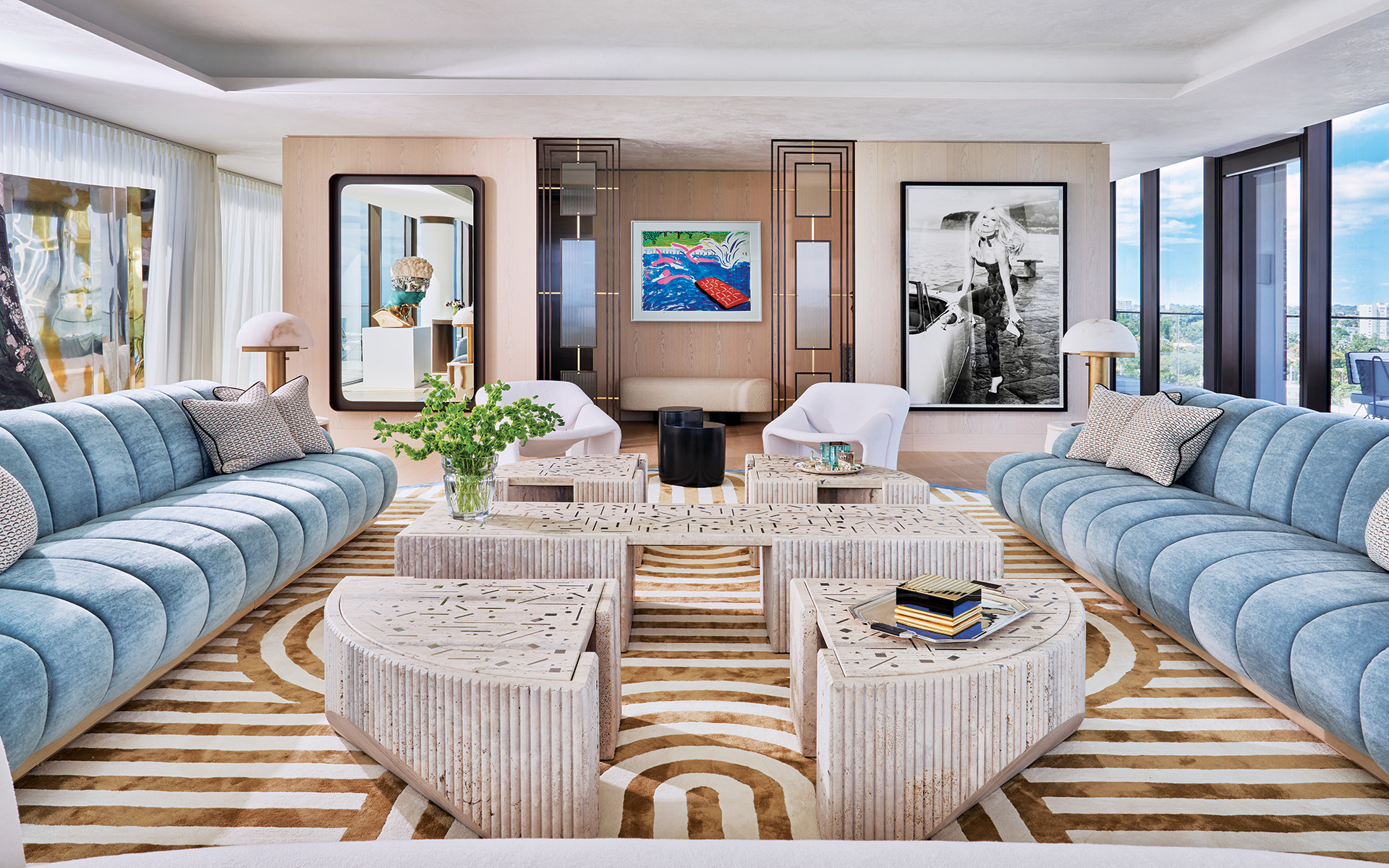
A Modern Miami Living Room Boasts Plush Blue Sofas, Geometric Tables, And Bold Art. Sunlight Streams In, Highlighting The Chic, Curated Space.

Modern Miami: Elevating Interiors with Contemporary Elegance

Discover the essence of modern Miami design, blending luxury and functionality. Explore expert tips to elevate your space with contemporary sophistication. Miami has long been a hub for architectural and interior design innovation, merging coastal charm with contemporary sophistication. The city’s signature aesthetic, often called modern Miami, encapsulates clean lines, organic textures, and a seamless indoor and outdoor living blend. With a vibrant mix of cultural influences, this design style continues to evolve, offering fresh interpretations of luxury and comfort. A true embodiment of this aesthetic, interior designer Andrew Torrey has brought a refined vision to modern Miami’s interiors. His work showcases an impeccable balance between bold statements and understated elegance, creating inviting and avant-garde spaces. Torrey’s approach is a testament to the transformative power of modern Miami design, where every element is carefully curated to enhance the ambiance and functionality of a space. From high-rise penthouses overlooking the Atlantic to serene waterfront villas, Miami modern interiors reflect a lifestyle of effortless sophistication. Integrating natural light, high-end materials, and artistic accents is crucial in defining these spaces. Whether working with neutral palettes or vibrant hues, designers strive to maintain a timeless and trend-forward aesthetic. For homeowners and designers alike, embracing modern Miami means understanding the nuances of proportion, texture, and color. It’s not just about selecting furniture; it’s about crafting an environment that feels harmonious and luxurious while staying true to contemporary principles. Key Elements of Modern Miami Interiors 1. Open and Airy Layouts Modern Miami interiors emphasize spaciousness, allowing natural light to enhance the ambiance. Open floor plans, minimal partitions, and large glass windows create a sense of fluidity between rooms. This layout ensures that every space feels connected, making the home more inviting and breathable. Expansive windows not only maximize the views of Miami’s stunning landscapes but also foster a connection to nature, bringing the outdoors inside. 2. A Balance of Neutrals and Accents A modern Miami color palette is typically grounded in neutral tones, such as soft whites, grays, and beiges, which serve as a versatile backdrop. Vibrant statement pieces like abstract art, bold furniture, or decorative accents in oceanic blues and sunset oranges are integrated into the space to add personality and contrast. These accents create focal points and add a sense of vibrancy to the environment while maintaining a cohesive and balanced aesthetic. 3. Sleek and Functional Furnishings Minimalism plays a crucial role in modern Miami interiors. Sleek, contemporary furniture with clean lines and luxurious materials—such as leather, glass, and polished metals—elevates the space. Each piece is chosen for its aesthetic appeal and its functional purpose, ensuring a perfect balance of form and utility. This approach to furniture selection enhances the overall design, promoting beauty and practicality in every room. 4. Seamless Indoor-Outdoor Integration Given Miami’s tropical climate, blending indoor and outdoor spaces is fundamental to this design style. Expansive sliding doors, patio lounges, and seamless flooring transitions create a harmonious extension of the home. Incorporating greenery, wooden textures, and outdoor furniture enhances the overall aesthetic while embracing nature. This connection between interior and exterior spaces is a hallmark of modern Miami, where living areas flow freely into private terraces, balconies, or gardens. Additional Features of Modern Miami Design 1. Statement Lighting Choices Lighting plays a pivotal role in modern Miami interiors. Oversized pendant lights, sculptural chandeliers, and sleek recessed lighting add dimension and character to a space. The right lighting fixtures enhance architectural details and complement the minimalist aesthetic. Statement lighting pieces are often used as both functional and artistic elements, contributing to the overall design while providing warmth and mood to each room. 2. Innovative Material Combinations A defining characteristic of modern Miami is the creative use of materials. Designers often blend polished metals with raw wood, glass with textured stone, and concrete with plush fabrics to create a dynamic contrast. These combinations introduce depth and tactile interest, making spaces more refined and engaging. The juxtaposition of hard and soft materials adds visual interest and provides varied textures, making every room a sensory experience. 3. Smart Home Integration Modern modern Miami interiors seamlessly incorporate modern technology to enhance functionality and luxury. Automated lighting, climate control, and voice-activated entertainment systems are standard features, ensuring convenience while maintaining a clean and uncluttered design. Integrating innovative technology allows for a high level of customization in each space, allowing homeowners to control their environment at the touch of a button. Modern Miami Meets TAPIS Studio A defining element of modern Miami interiors is the careful selection of textiles and flooring that elevate the overall aesthetic. This is where TAPIS Studio makes a statement. Known for its innovative and luxurious rug collections, TAPIS Studio perfectly complements Miami spaces. With designs that embrace contemporary elegance, TAPIS Studio rugs add texture, warmth, and visual intrigue to modern interiors. Whether opting for geometric patterns, neutral tones, or bold artistic expressions, their pieces seamlessly integrate into Miami’s chic design language. The right rug can anchor a room, tying elements together in a cohesive yet dynamic way. TAPIS Studio’s commitment to quality craftsmanship and refined design makes its pieces ideal for any modern home. The luxurious textures and attention to detail in each rug create a sense of elevated comfort, making them the perfect addition to a space that prioritizes beauty and functionality. Conclusion Modern Miami design is a harmonious blend of sophistication, functionality, and artistic expression. By incorporating open layouts, natural textures, statement lighting, and high-quality furnishings, homeowners can effortlessly create spaces that reflect contemporary luxury. TAPIS Studio plays a crucial role in this aesthetic, offering expertly crafted rugs that enhance the beauty and cohesion of any modern Miami interior. Explore our latest collection today to discover the latest TAPIS Studio products and elevate your space with timeless elegance. Sources: Galerie Magazine

NEW Catalog

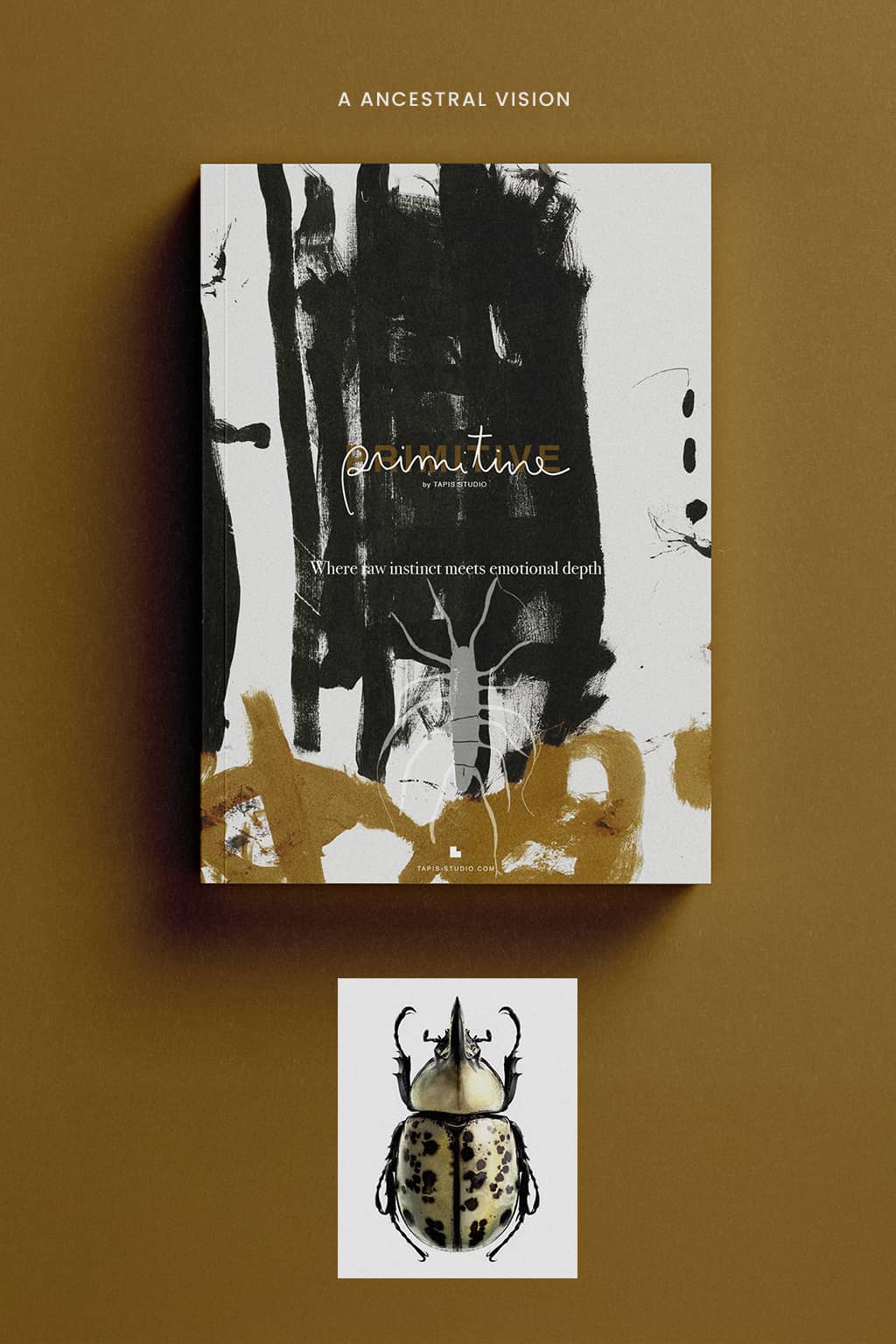
Explore our new collection catalog — the primitive collection is an ancestral vision into the world of sensorial design.

TAPIS Studio PRIMITIVE Catalog
Client
Privacy policy
Form PopUp Download Ebooks
Client
Privacy policy

DOWNLOAD E-BOOK

INTERIOR TRENDS 2025 — ECHOES OF HOME

Ebook PopUp Download 3
Client
Privacy policy

JOIN TRADE PROGRAM

Register to HOMMÉS’ trade program, we’re here to make your project a reality with exceptional service, insider resources, and exclusive benefits for professionals.
Trade Program Form OLD
Client
Privacy policy
CUSTOM MADE RUG
Client
What would you like to change?
Privacy policy
Request Your Sample

Colorful Rugs Transformed This Old Apartment. Here’s How.

Product Order Sample
Client
Privacy Policy
CUSTOM MADE RUG

CUSTOM MADE RUG

To start a rug customization, write us about what suits you better, pretended colors, dimensions, and if you need this rug for a specific use, budget, or timeframe.

Client
What would you like to change?
Privacy policy
Submit you idea

Submit you idea

Client

Maximum file size: 16.78MB

Privacy policy
CUSTOM MADE RUG

CUSTOM MADE RUG

To start a rug customization, write us about what suits you better, pretended colors, dimensions, and if you need this rug for a specific use, budget, or timeframe.

Client
What would you like to change?
Privacy policy